
Last updated November 16, 2026
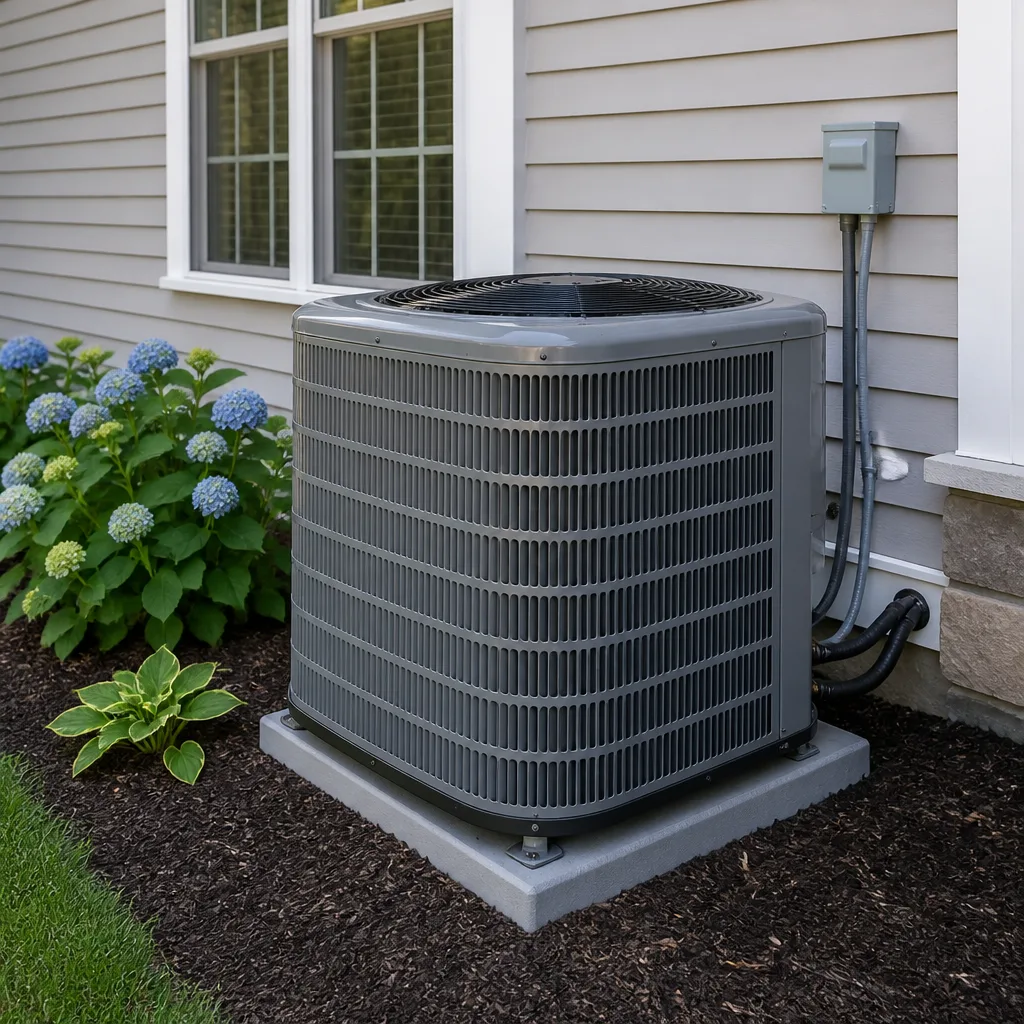 AC repair
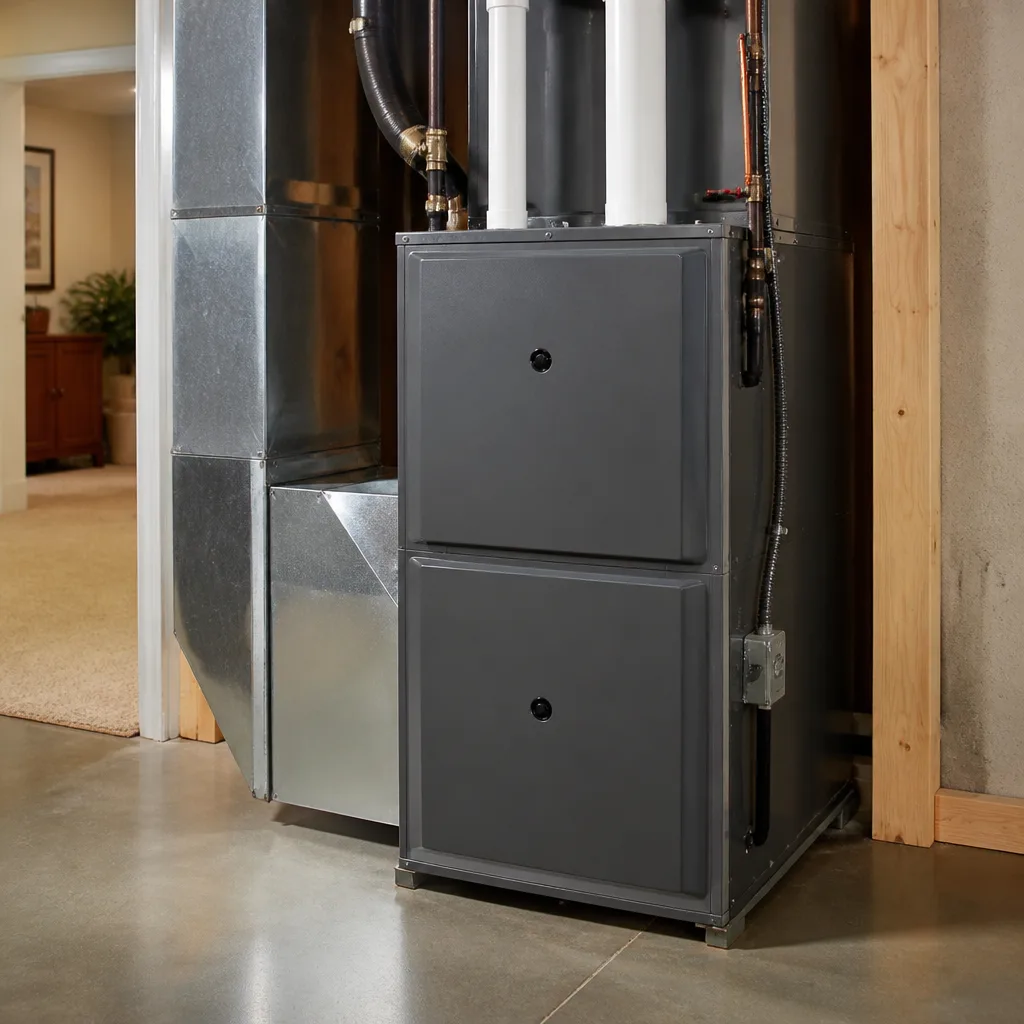 Furnace & heating
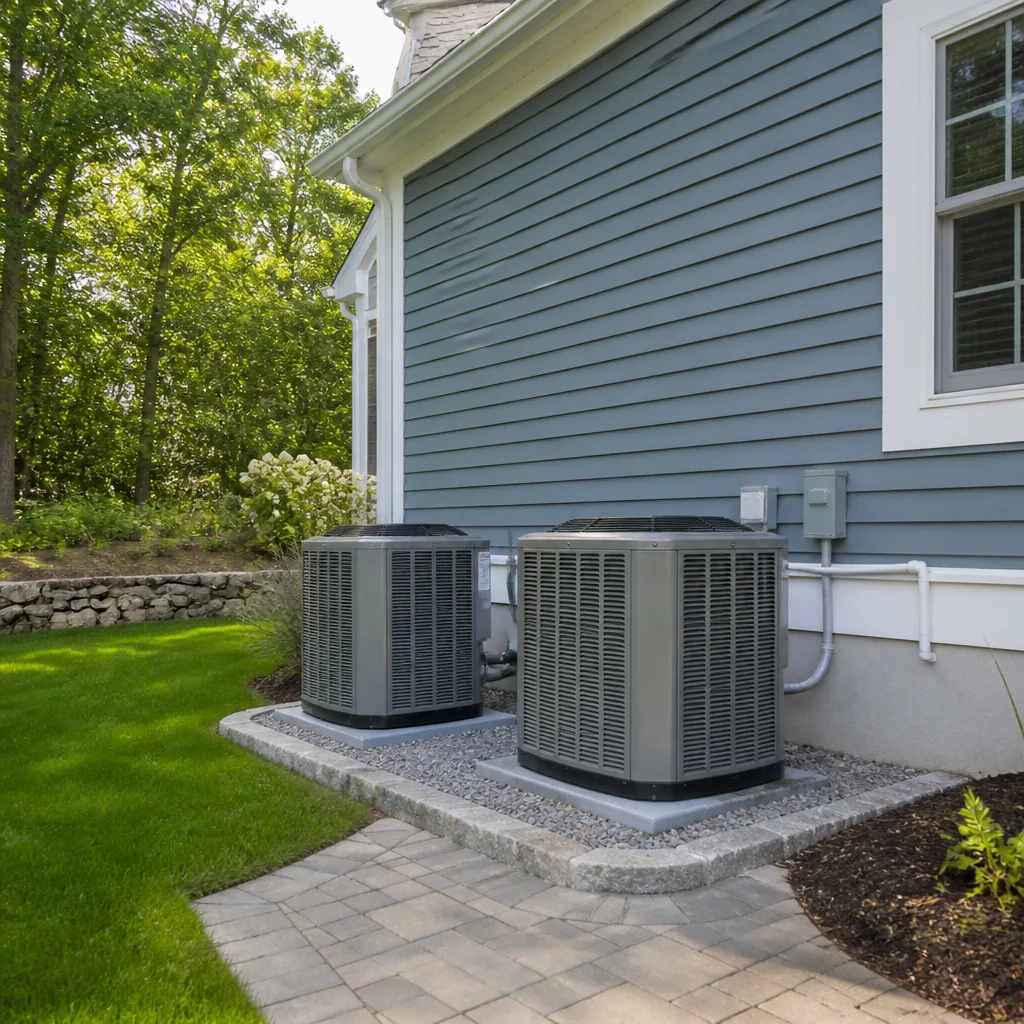 Heat pumps
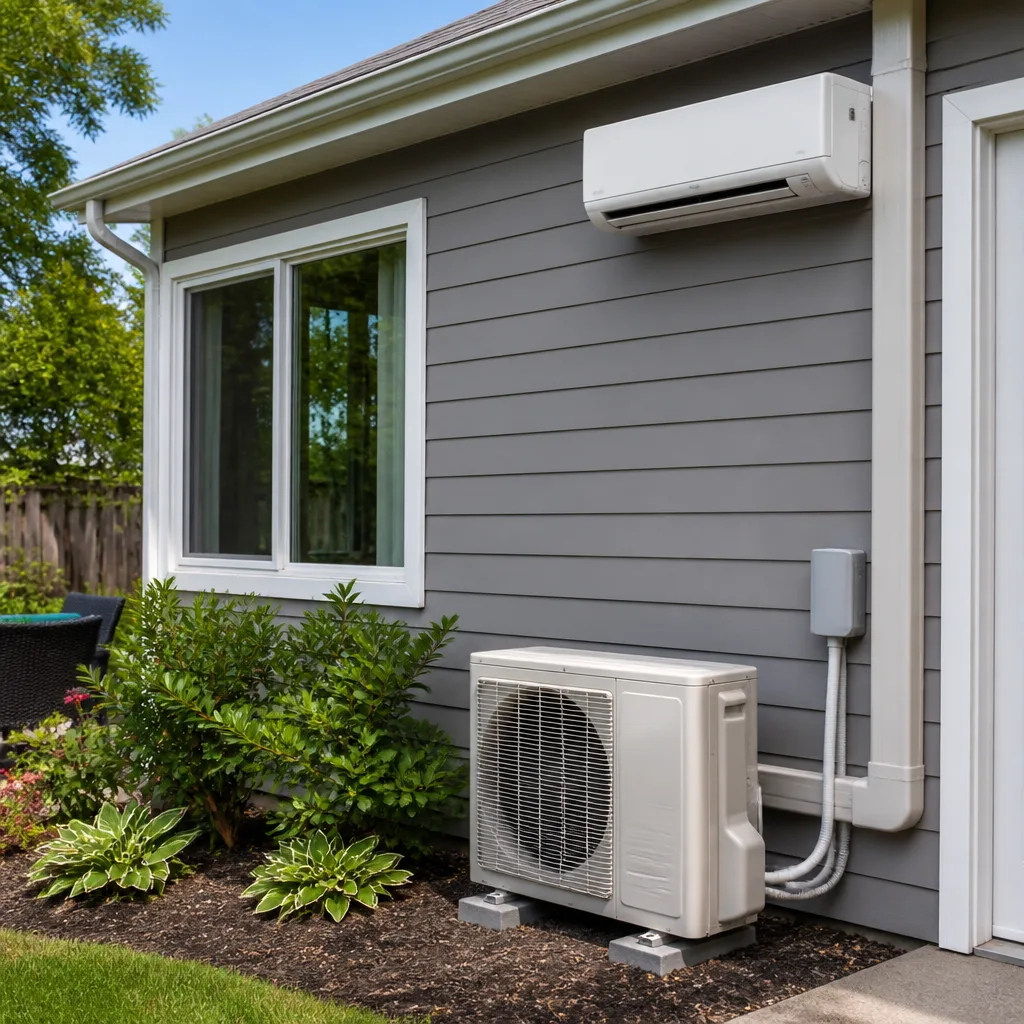 Ductless mini splits
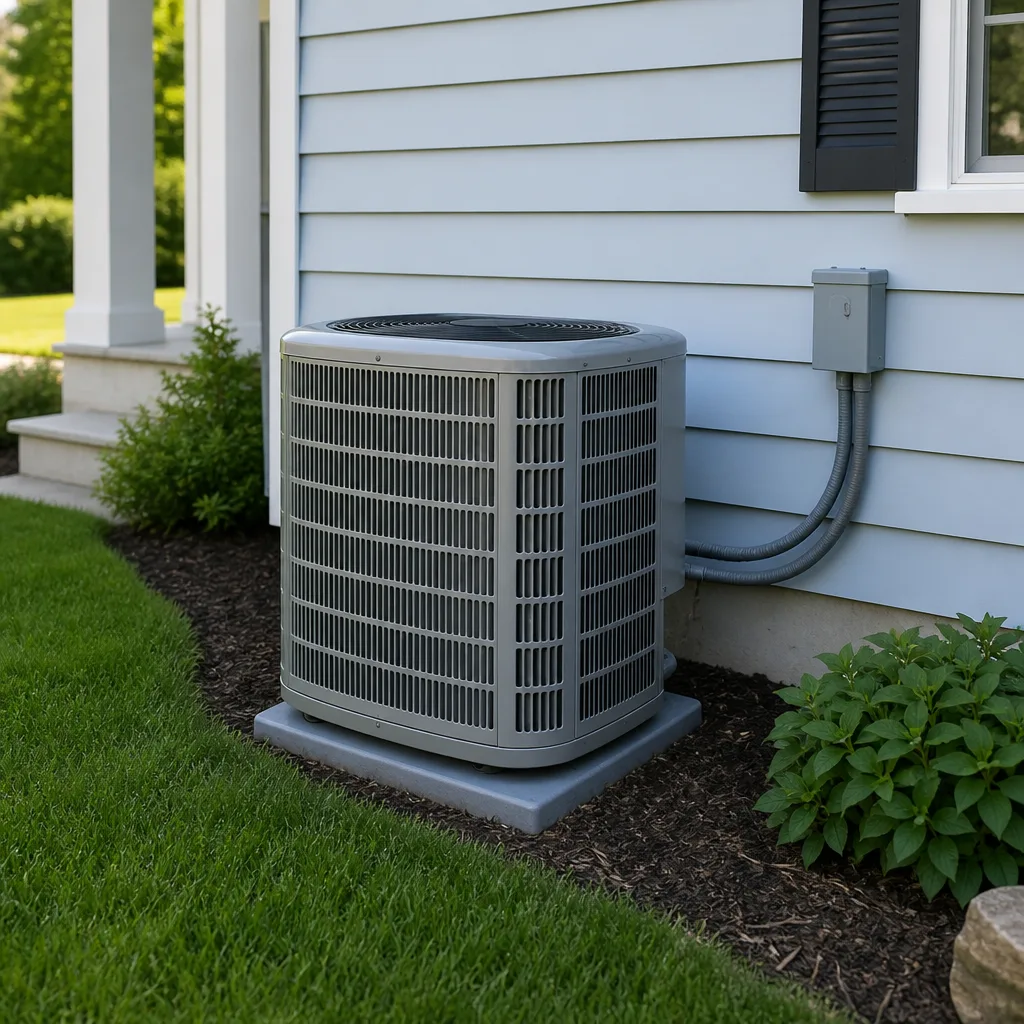 Carrier
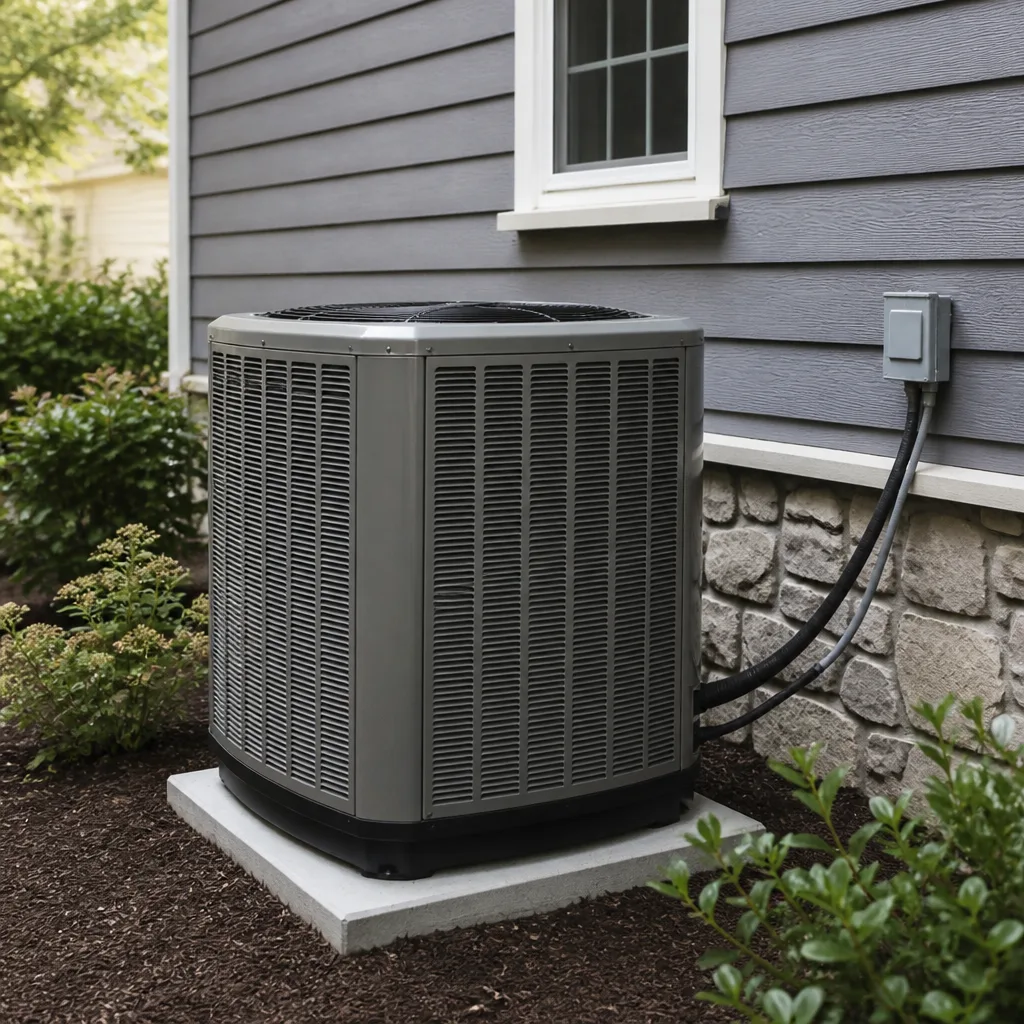 Trane
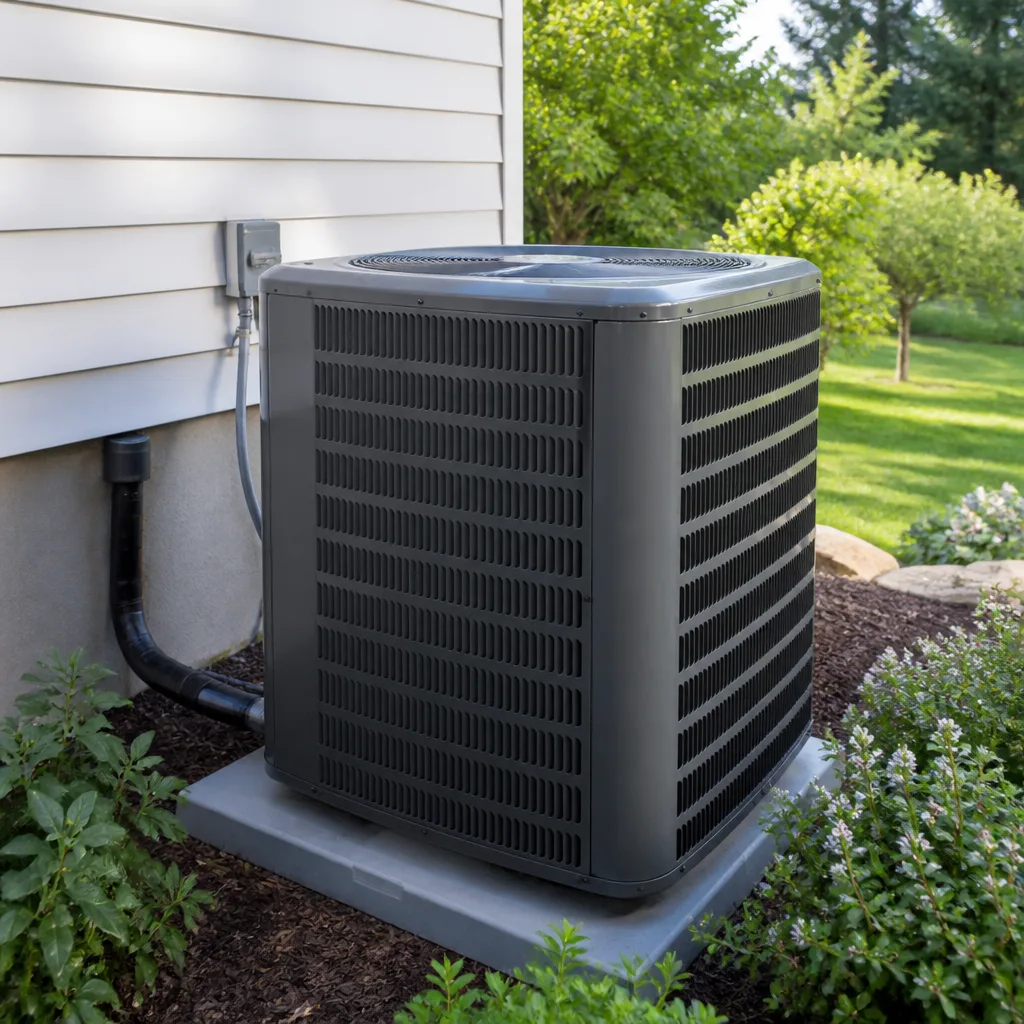 Goodman
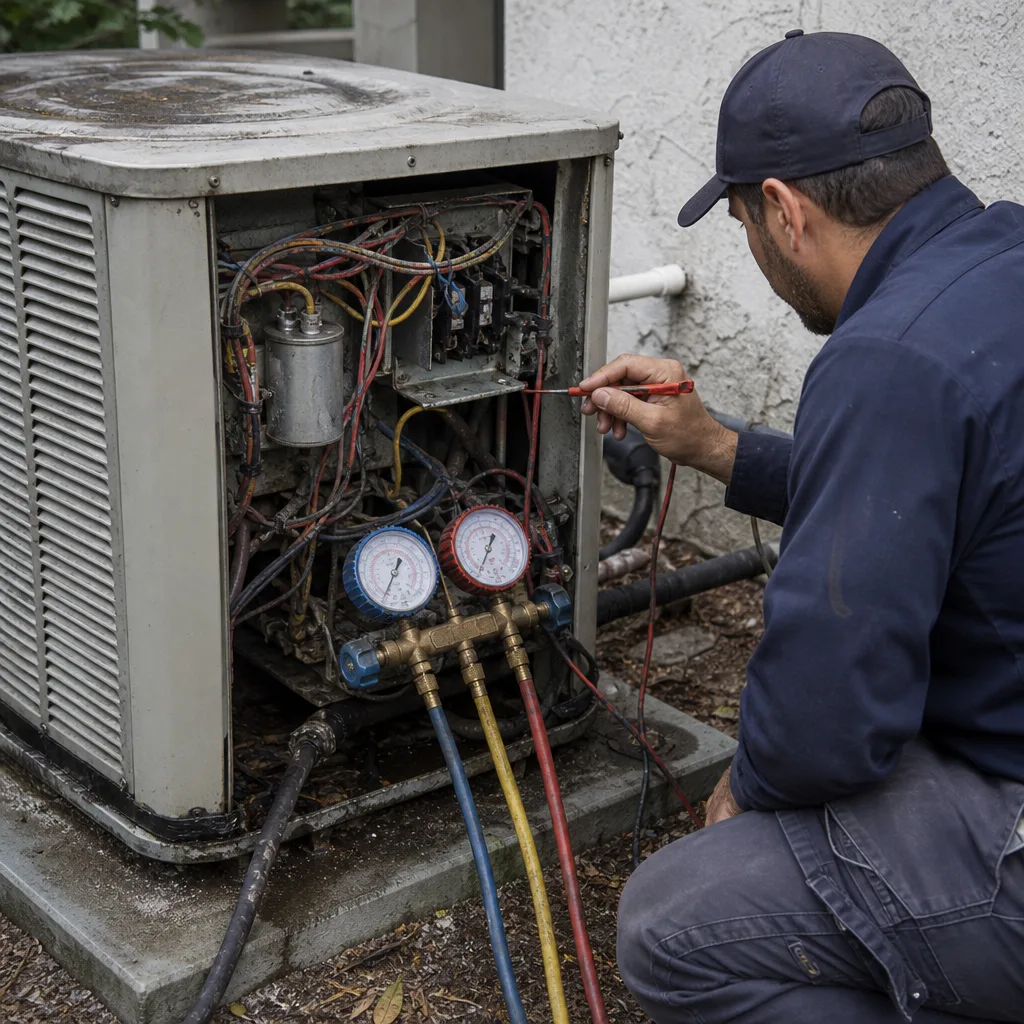
Seasonal tune-up and full diagnostic on your Carrier, Trane, or Goodman system - readings shown to you before any repair is proposed
Diagnosis first, numbers second - you approve the repair price before a single part goes in.
Get your free estimateThe Complete AC Installation Guide for St. Petersburg Homeowners
Most homeowners here think they’ve already researched an AC installation. They haven’t. They’ve researched units. They’ve compared tonnage, SEER, and price, and that’s roughly where the homework stops. But in St. Petersburg, the unit is maybe half the decision. The other half is the room it sits in, the ducts it breathes through, the moisture in the air around it, and the paperwork that follows it. This guide walks through each of those decision points in order, so you can hold a contractor accountable at every step instead of just writing a check and hoping.
Quick Answer
A successful AC installation in St. Petersburg starts with a Manual J load calculation for your specific home, not a rules-of-thumb tonnage guess. From there, proper sizing, a duct leakage audit, humidity-focused equipment selection, and a permitted installation under Pinellas County rules all matter as much as the brand on the box. Skip any of those, and you’ll pay for a system that runs more often and dehumidifies less than it should.
Styles & brands we work with
- AC repair
- Furnace & heating
- Heat pumps
- Ductless mini splits
- Carrier
- Trane
- Goodman
Table of Contents
- Why Manual J Load Calculations Are Non-Negotiable
- Sizing for Humidity, Not Just Heat
- The Ductwork Audit Most Installers Skip
- Material Selection in a Humid, Salt-Air Environment
- Pinellas County Permits and Future Home Sales
- Which Brands Handle Continuous High-Humidity Loads
- What a Proper Installation Day Looks Like
- What Installation Costs in St. Petersburg
Why Manual J Load Calculations Are Non-Negotiable in St. Petersburg
A Manual J calculation is the room-by-room math that determines how much cooling a house actually needs. It factors in square footage, ceiling height, window area and orientation, insulation, duct location, and local design conditions. In St. Petersburg, those design conditions are close to punishing: high summer temperatures paired with a dew point above 70°F for months at a time. A contractor who skips Manual J and sizes by square footage alone will almost always guess wrong in this climate, and usually guesses too big.
Oversizing isn’t a minor error. A unit that’s too large cools the house before it removes the moisture, then shuts off. The house feels cold and clammy at the same time. Short runtimes also wear on the compressor and rarely reach the dehumidification the system was designed for.
Here’s what to ask a contractor before signing anything:
- “Can I see the Manual J report?” A real one is a room-by-room printout or PDF with window counts, wall orientations, and design temperatures. A verbal “you need a 3-ton” is not a Manual J.
- “What design conditions did you use?” The numbers should reflect St. Petersburg summer conditions. If they list northern values, they used a template.
- “Did you measure my existing ducts?” Manual J needs supply and return sizing. A contractor who never measured the ducts didn’t run a real load.
Some contractors will push back and say Manual J isn’t necessary for a straight swap. That’s an honest position only if the house was correctly sized in the first place, and in St. Petersburg that’s rarely the case. Older neighborhoods around Historic Kenwood and Crescent Lake have had additions, window replacements, and duct modifications over the decades. The original sizing is often stale. If you want the full picture on how installation fits into a longer relationship with a contractor, our AC installation page covers scheduling and what to expect.
Sizing for Humidity, Not Just Heat
A house that’s cool is not the same as a house that’s dry. In St. Petersburg, the second part of that sentence matters more than the first. When your AC is running, it’s doing two things: cooling the air, and pulling moisture out of it as condensation on the evaporator coil. Cool air feels fast; dry air takes longer because it requires the system to run. Oversize the unit and it never runs long enough to wring out the moisture.
There are three ways to get humidity right, and good installations typically combine all three:
- Correct load calculation. A slightly smaller unit that runs longer will do a better job than an oversized one that short-cycles. Manual J gets you here.
- Variable-speed or two-stage equipment. These systems can run at lower capacity for longer stretches, which is exactly what you want in a humid climate. They cost more up front and are worth the upcharge in St. Petersburg more than in most markets.
- A dedicated dehumidifier, when warranted. Tight, well-insulated homes and homes with oversized or undersized existing ducts occasionally benefit from a standalone dehumidifier. It’s not for every house. It’s worth asking about if a prior system struggled with muggy air even when the temperature was fine.
What you don’t want is a contractor who recommends oversizing as a cushion. “A little extra won’t hurt” is the sentence that costs you comfort on every cycle for the next fifteen years. If you hear it, press back and ask to see the Manual J.
The Ductwork Audit Most Installers Skip
You can put a perfectly sized, high-efficiency system into a house with leaky ducts and lose a serious chunk of the improvement before the first cycle ends. Leaky return ducts in particular pull hot, humid attic air back into the system, so the unit spends its capacity dealing with that instead of your living room. Supply leaks push conditioned air into the attic. Either way, you paid for cooling you never felt.
A duct audit isn’t complicated. Ask for these before installation:
- A visual inspection of accessible ducts. Look for disconnected joints, crushed flex runs, and sagging sections.
- Pressure testing or a blower-door test. These measure actual leakage instead of eyeballing it. Not every contractor offers one. The ones who do take it seriously.
- Static pressure measurement. This tells you whether the existing ducts can handle the airflow the new unit needs. A high static pressure reading means the system is already being choked, and it will get worse if you install a larger unit into the same ducts.
- Sealing at the air handler and boots. Mastic and mesh at the plenum and around every register boot is the highest-value repair you can make before a new install.
Duct replacement isn’t always necessary, but duct repair almost always is. Budget for it. The energy improvement from a properly sealed and balanced duct system is often larger than the step up from a mid-range to a top-tier unit.
Material Selection in a Humid, Salt-Air Environment
Homes closer to the water see faster wear on outdoor equipment than homes further inland. The phrase “coastal rated” gets thrown around loosely. What it usually refers to is the coil’s fin and tube construction: standard aluminum fins corrode faster in humid, salty air, while coated aluminum and copper tube configurations hold up longer. Manufacturers build coastal-grade units for exactly this reason.
When comparing quotes, ask specifically:
- What material are the condenser fins? Standard aluminum, or a coated/painted option?
- Is the outdoor unit mounted on a pad above grade with a wind-rated bracket?
- How is the refrigerant line set protected from UV and moisture at the wall penetration?
Answering those questions honestly is one reason we lean on multi-brand knowledge rather than a single-brand dealership agreement. When a technician is fluent across Carrier, Bryant, American Standard, and Daikin, they can match coastal-rated coil options to your budget instead of steering you toward whichever manufacturer pays the highest dealer margin. If your home is within a few miles of the Gulf, ask about coastal coil options. The upcharge is usually modest and the difference in longevity over fifteen years is real.
Pinellas County Permits and Future Home Sales
A changeout of the outdoor condenser or full system replacement requires a mechanical permit in Pinellas County. That’s the contractor’s job, not yours. What matters is that it actually gets pulled and that the final inspection passes. Installers sometimes skip the permit because the inspection visit slows them down, or because they’re trying to keep a bid low. That shortcut travels with the house.
Why it matters at sale: a title search and permit history check can flag an unpermitted HVAC changeout. Buyers and their agents ask for it. Insurance carriers ask for it. The permit document proves the system was installed to code, with proper electrical, refrigerant handling, and a documented final inspection. Without it, you’re exposed to a repair demand at closing, a code-compliance order, or a delayed sale in one of the most competitive real estate markets in Florida.
What to ask before signing:
- Will you pull the mechanical permit before work begins?
- Who schedules the final inspection, and will I receive a copy of the signed-off permit?
- What’s your Florida license number, and is it current with the state?
The permit is cheap compared to the cost of discovering it was missing during a sales negotiation. It shouldn’t be optional and it shouldn’t be an upsell. It should be in every estimate by default. For more on how we approach permitted installs in the local market, see our St. Petersburg page.
Which Brands Handle Continuous High-Humidity Loads in St. Petersburg
Manufacturer reputation matters less than model configuration. A premium brand’s basic single-stage unit will struggle in a humid climate just like any other, and an entry-level brand’s variable-speed system can quietly outperform a nameplate ten times its price. The right way to compare is to look at the system class, not the badge on the cabinet.
Rough guide for St. Petersburg homes:
- Variable-speed inverter systems: Best for humidity control. Daikin and Carrier both make strong examples in this class. They run at low capacity for long stretches, pull moisture, and maintain temperature without the on-off cycling that makes homes feel clammy.
- Two-stage systems: A middle ground. Bryant and American Standard offer good two-stage options. Cheaper than variable-speed, better humidity control than single-stage.
- Single-stage systems: Fine for dry climates. In St. Petersburg, they work but need careful sizing to keep runtime long enough to dehumidify.
The good news is that St. Petersburg homeowners typically aren’t locked into any single brand. Newer homes installed under a builder’s spec frequently come with a Carrier or a Bryant, and both are well supported here. If you’ve inherited a system from a prior owner and want to know whether repair or replacement makes more sense, our furnace repair page touches on the same repair-or-replace question on the heating side, which is decided by the same logic.
What a Proper Installation Day Looks Like
Installation day is short. Most residential changeouts in St. Petersburg finish in one day, though complex jobs with duct rework can stretch into two. Here’s the sequence a well-run install follows:
- Morning: disconnect and recovery. The old refrigerant is recovered, the old equipment is disconnected, and the permit is on-site.
- Mid-morning: pad and outdoor unit set. The condenser pad goes down level, the unit is placed, and the line set is run with UV protection at the wall penetration.
- Late morning through midday: indoor air handler and coil install. The evaporator coil is mounted, the plenum is sealed, and the drain line is run with an accessible trap and overflow safety switch.
- Afternoon: refrigerant evacuation and charge. The line set is pressure-tested and evacuated. The system is charged to the manufacturer’s specified level, not “close enough.”
- Late afternoon: airflow and temperature verification. Static pressure is checked, a temperature split is measured across the coil, and airflow at the registers is confirmed.
- Closeout: system check and walkthrough. You should get a brief on filter changes, thermostat programming, and how the system is sized to your house.
If your contractor’s day involves very little of that list, that’s a signal. An installation that’s finished before lunch without a temperature-split reading isn’t verified. It’s just installed.
What Installation Costs in St. Petersburg
Installation pricing varies widely by system class, home size, and duct condition. The ranges below are typical for St. Petersburg homes and include equipment, labor, and standard permitting. Final pricing is set by the written estimate, and any duct rework or electrical upgrades are separate. Treat these as a planning benchmark, not a quote:
- Single-stage system, standard sizing: $4,800 – $7,200
- Two-stage system, mid-range efficiency: $6,500 – $9,500
- Variable-speed inverter system, high-humidity focus: $8,500 – $13,000
- Duct sealing (whole-house): $800 – $2,000
- Duct replacement (partial, attic runs): $1,500 – $4,000
- Mechanical permit (Pinellas County, standard residential changeout): $150 – $350
Get three quotes. Compare them line by line, and if a quote is missing a permit line or a Manual J, ask why. The free estimate is where honesty shows up, and a written estimate with clear line items is the single best protection you have.
Common Mistakes to Avoid
- Signing off on a “same size as before” swap. Prior sizing may have been wrong to begin with, and small additions or window changes over the years have shifted the load. Two sentences of common sense aren’t a load calculation.
- Chasing the highest SEER rating and ignoring humidity. A high-efficiency unit installed with leaky ducts and short cycles won’t deliver the savings on the box. Duct and sizing correctness come first.
- Skipping the duct audit because the contractor didn’t offer it. If your contractor doesn’t suggest a static pressure reading or visual duct check, ask directly. Installation without a duct audit is a partial job.
- Letting the permit slide to keep the quote low. An unpermitted changeout is a sales problem waiting to happen, and buyers in St. Petersburg are getting sharper about checking permit history.
- Ignoring the drain line and safety switch. A clogged condensate line causes water damage, and a safety switch is a few dollars of parts. Confirm it’s included in the install scope.
- Choosing a brand based on a dealer’s pitch. Single-brand dealers push their manufacturer by design. A multi-brand contractor can give you an honest comparison across Carrier, Daikin, Bryant, American Standard, and the rest of the major field.
- Setting the thermostat very low to “cure” humidity. Overshooting the setpoint doesn’t shorten the runtime needed to dehumidify, and it can overshoot the compressor’s ability to keep up. Set it where you want it and let the equipment do the work it’s sized for.
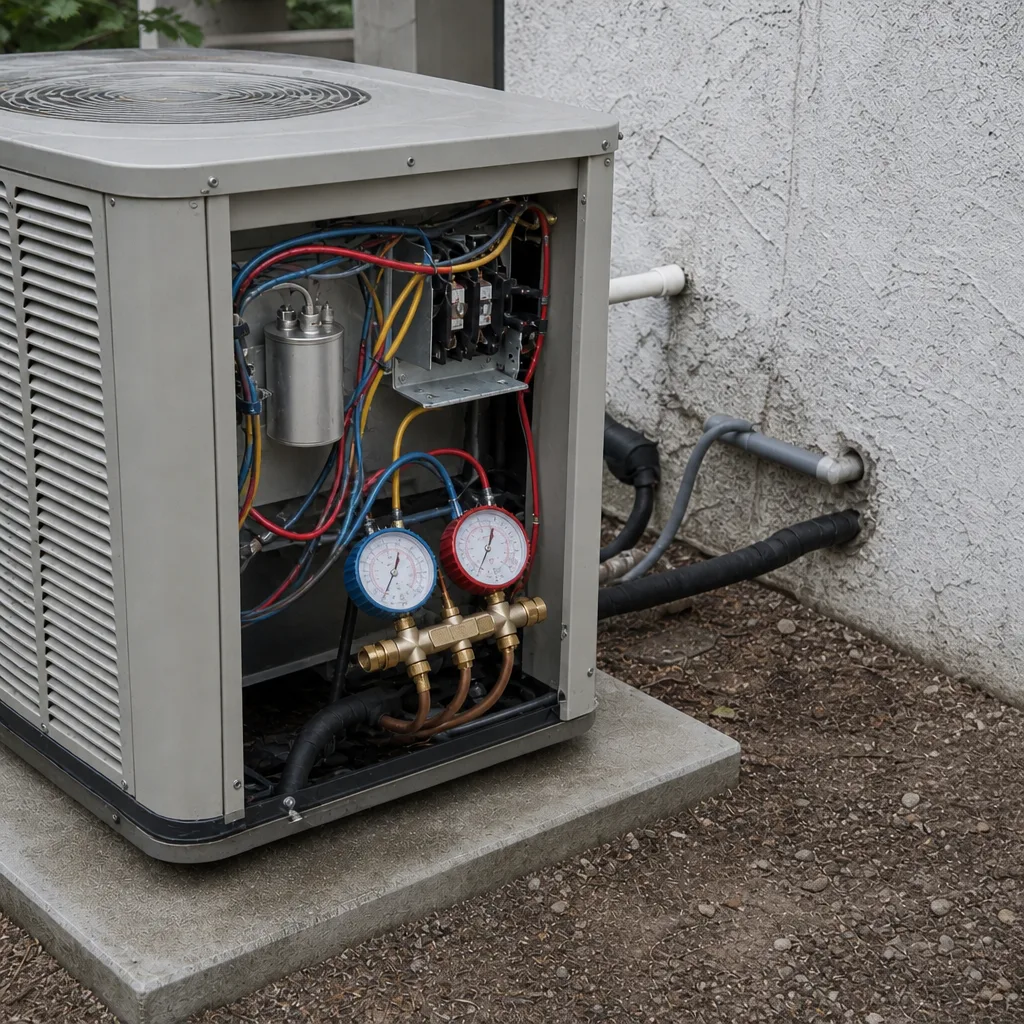
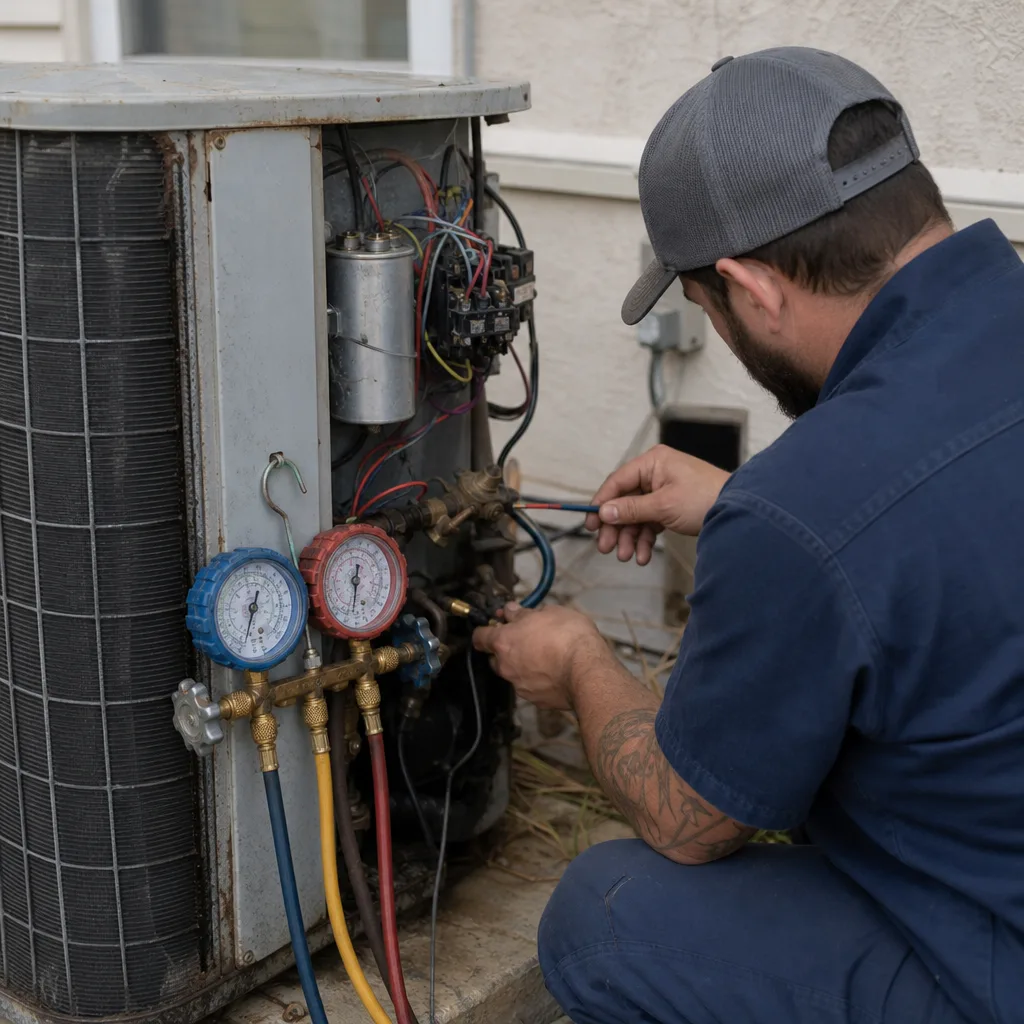
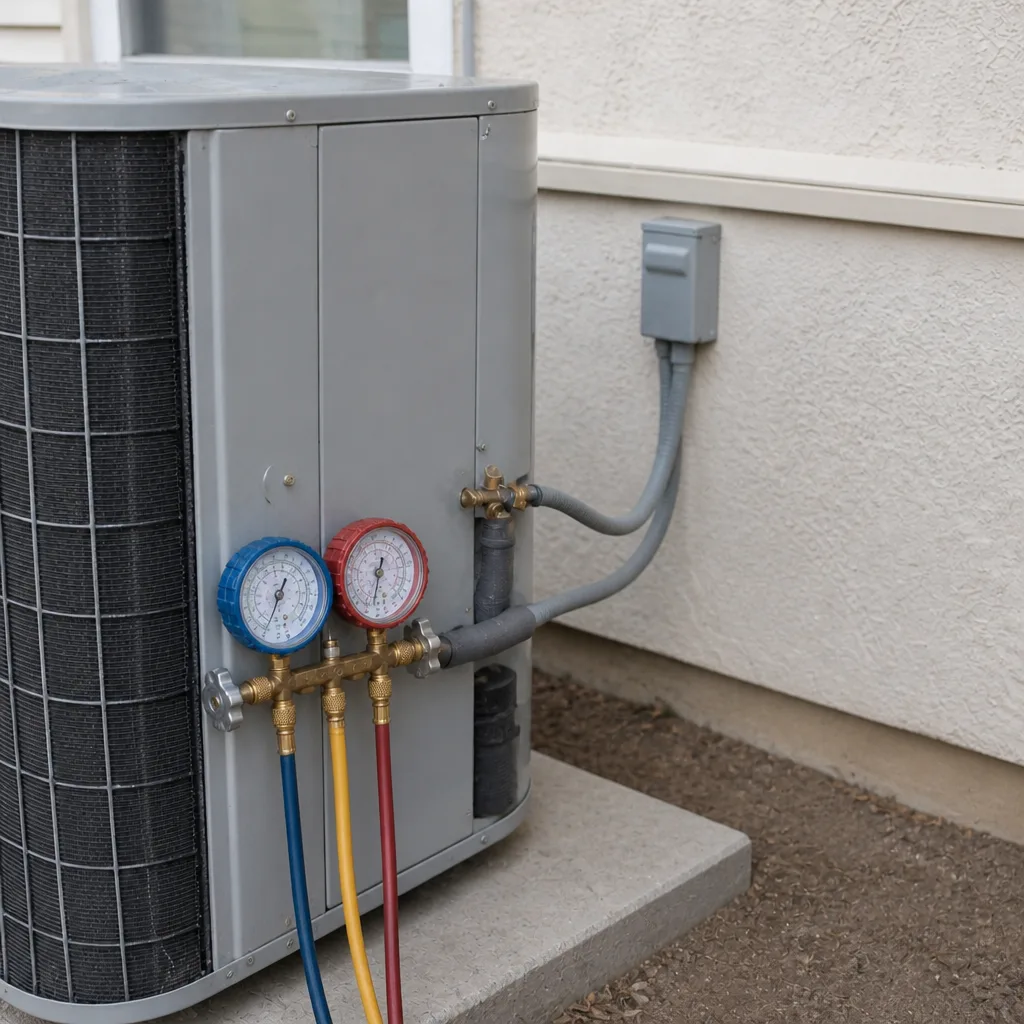
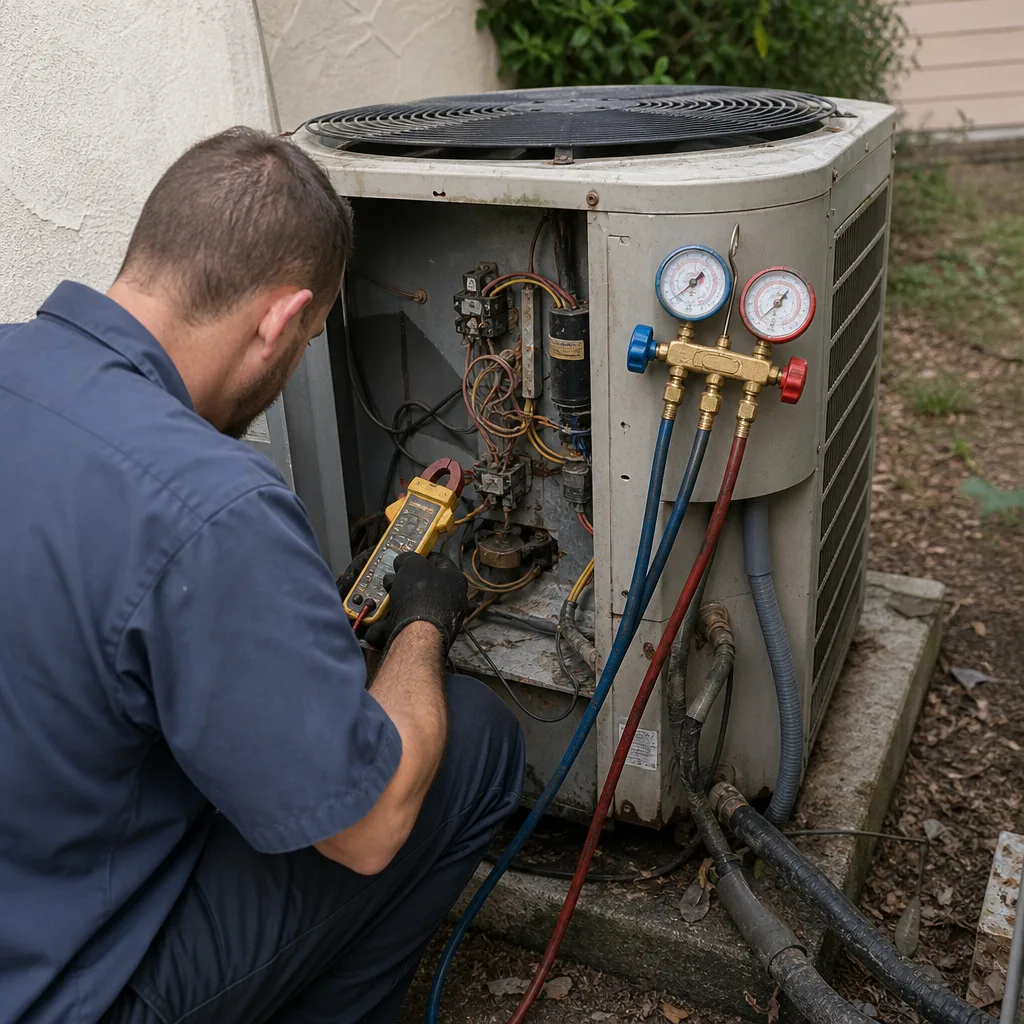
See the difference
 Before
 After
 Before
 After
 Before
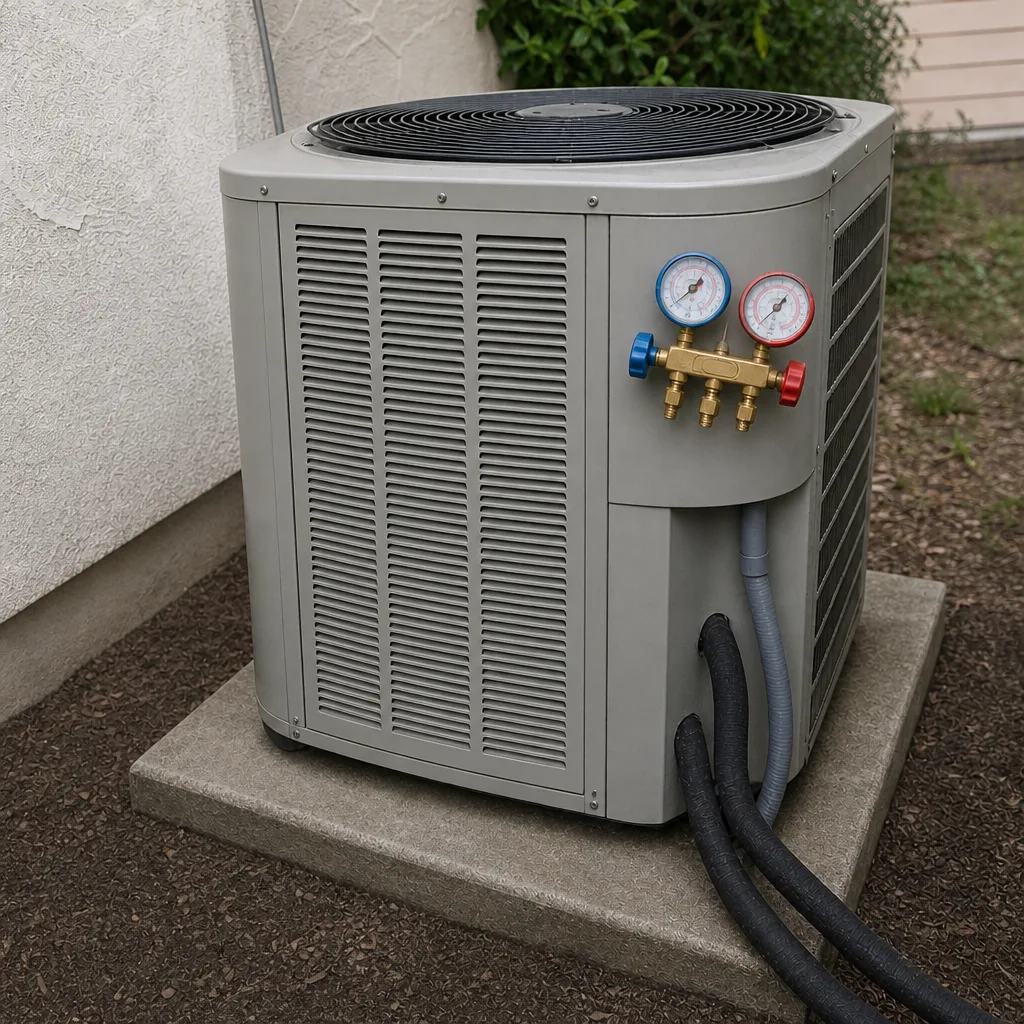 After
When to Call a Professional
An AC installation isn’t a job for a homeowner with a YouTube tutorial and a Saturday off. The safety stakes are real: line voltages at the disconnect, refrigerant handling under federal rules, and evacuation procedures that require a vacuum pump and gauges most homeowners never own. Beyond safety, the skill that separates a correct installation from a frustrating one is load calculation and duct evaluation, and those need trained eyes on your specific house. Call a professional when you’re considering replacement, when a prior installer sized your system by rule of thumb, when duct leaks are suspected, or when a permit would be pulled and inspected. Thrive AC Repair offers free estimates in St. Petersburg. Call (855) 490-0819 to schedule one. We answer 24/7, and fast dispatch from 7am to 7pm, Sunday through Friday.
Frequently Asked Questions
Most residential changeouts in St. Petersburg finish in one day, typically six to nine working hours. Jobs that include duct rework or electrical upgrades can stretch into two days. The scheduling window is confirmed in the written estimate, so you know what to plan for before the technician arrives.
Yes. A mechanical permit is required for a residential AC changeout in Pinellas County, and the final inspection should pass and be documented for your records. Skipping the permit creates a problem during a future home sale or insurance review. Ask every contractor to confirm the permit is included in their written estimate. Call (855) 490-0819 for an estimate that covers the permit explicitly – it’s free.
Repair usually wins when the system is under about ten years old, the repair cost is a modest fraction of replacement, and it hasn’t had repeated failures. Replacement wins when the unit is at end of life, when refrigerant is no longer available for the existing system, or when the repair-to-replacement cost ratio tilts toward replacement. Call (855) 490-0819 for a free estimate that walks through both options honestly.
Brand matters less than configuration. Variable-speed inverter systems from Daikin and Carrier, and two-stage systems from Bryant and American Standard, tend to handle continuous humidity loads better than single-stage units. Sizing correctness matters more than badge. Call (855) 490-0819 for a brand-agnostic comparison based on your house and budget.
Typical installed ranges in St. Petersburg run about $4,800 to $7,200 for a standard single-stage system, $6,500 to $9,500 for two-stage, and $8,500 to $13,000 for a variable-speed inverter system. Duct work, permits, and electrical upgrades are separate lines in the written estimate. Call (855) 490-0819 for an exact quote – estimates are free.
A Manual J calculation is a room-by-room load estimate that determines the correct sizing for your home, factoring in windows, walls, insulation, and St. Petersburg’s summer conditions. Skipping it and sizing by square footage is the most common cause of oversizing, which leads to short runtimes and poor humidity control. Ask to see the report before signing any installation contract. Call (855) 490-0819 for an estimate built on an actual load calculation.
The Bottom Line
The unit is the easy part. The engineering around it is what separates a comfortable house from a cold, clammy one. Get a Manual J, get a duct audit, get the right system class for St. Petersburg’s humidity, and get the permit pulled before work starts. Compare brands honestly across the major field rather than settling for whichever manufacturer a dealer happens to carry. That’s the whole recipe, and it’s not complicated once you know what to ask. If you want a straight answer on repair versus replace or on which system class fits your home, call (855) 490-0819 for a free estimate. We work on your system, not just the brands we sell, and we’ll tell you the truth either way.
Written by the team at Thrive AC Repair.