
Last updated November 16, 2026
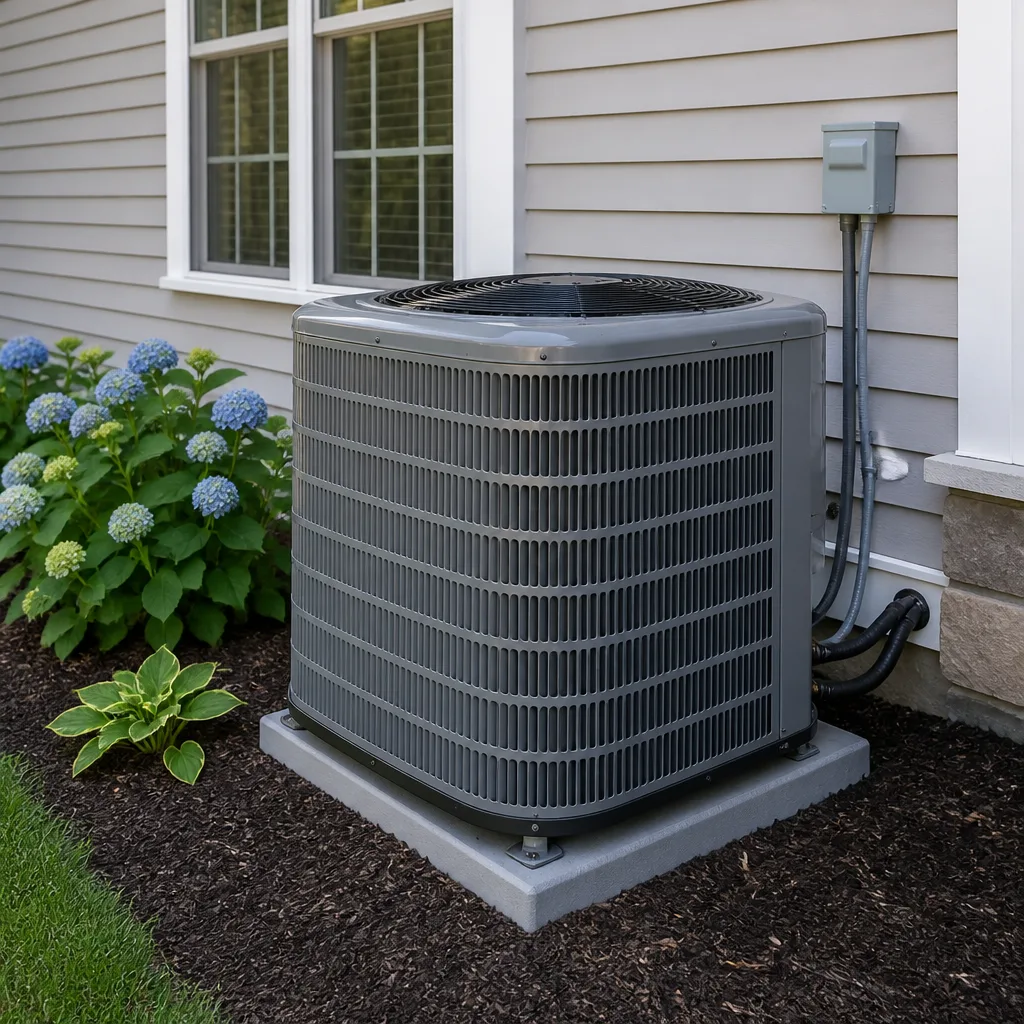 AC repair
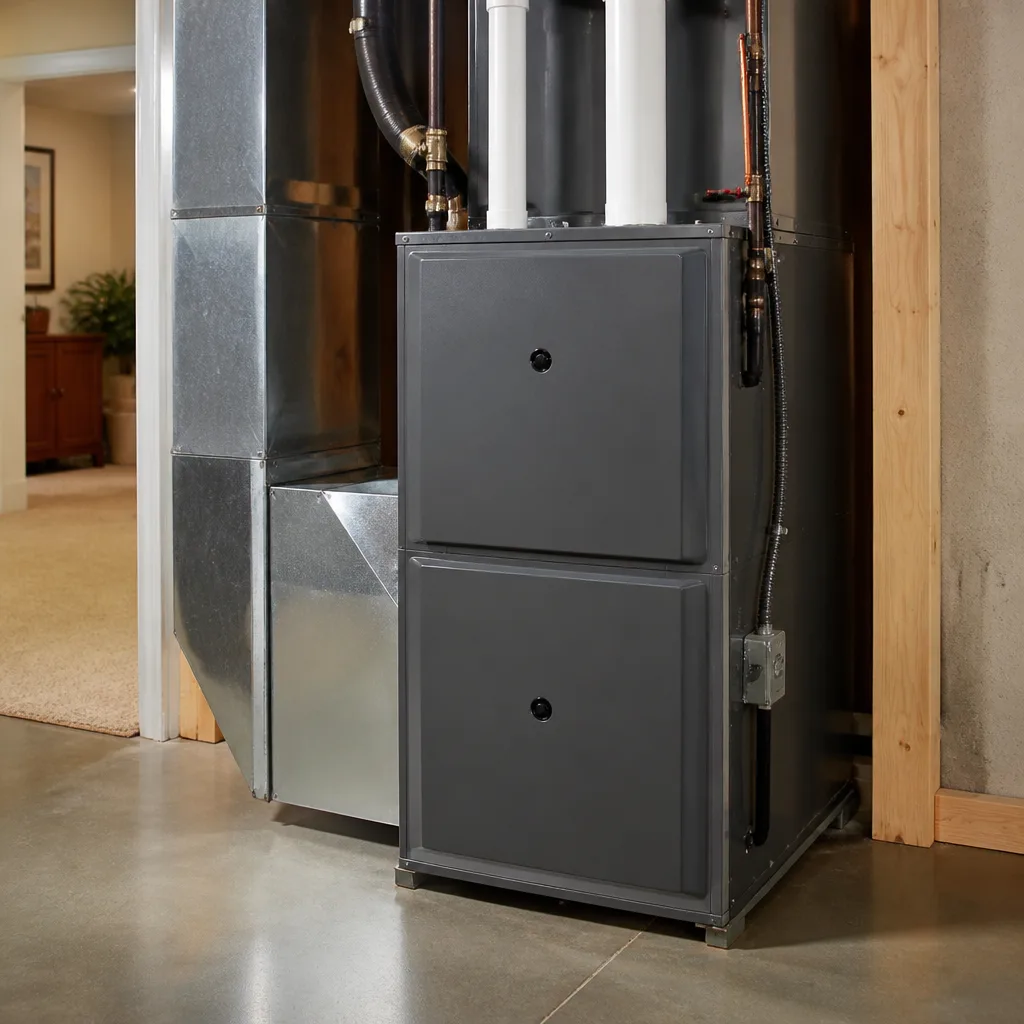 Furnace & heating
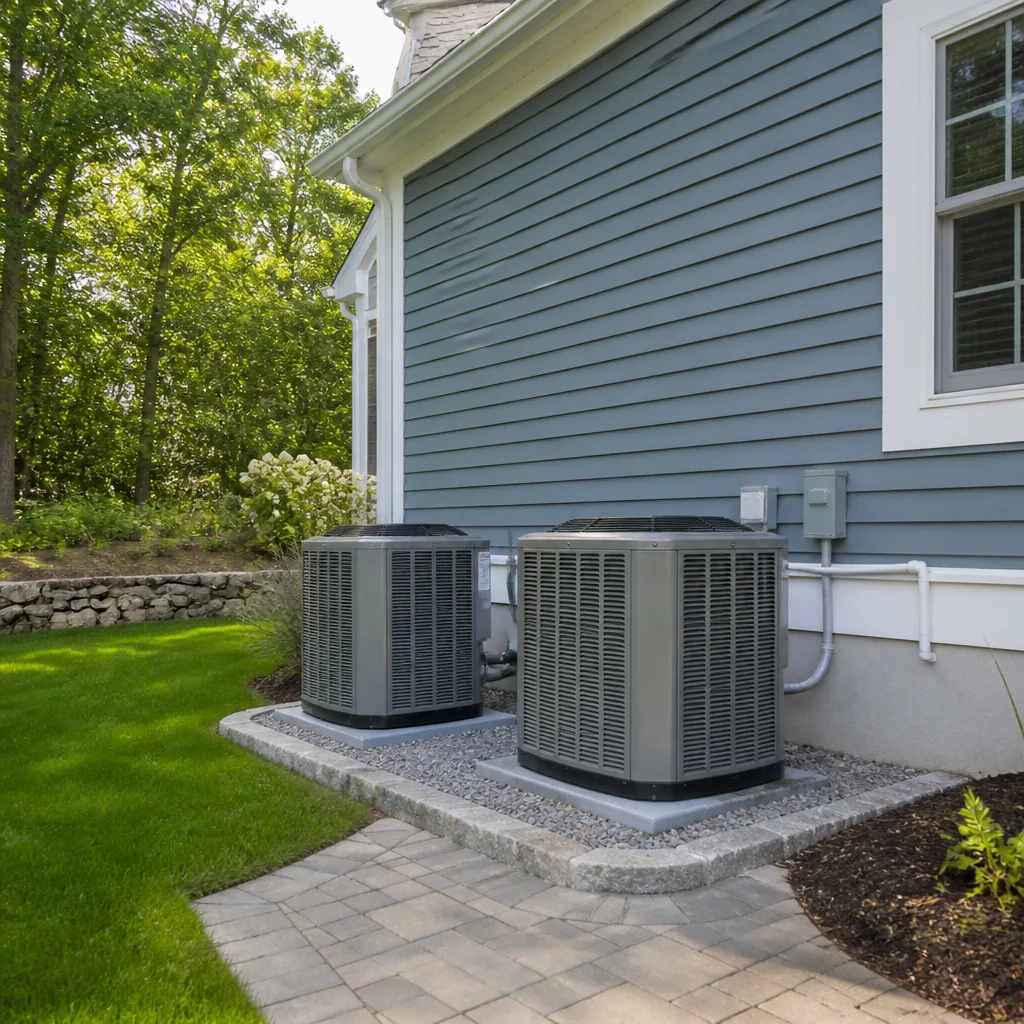 Heat pumps
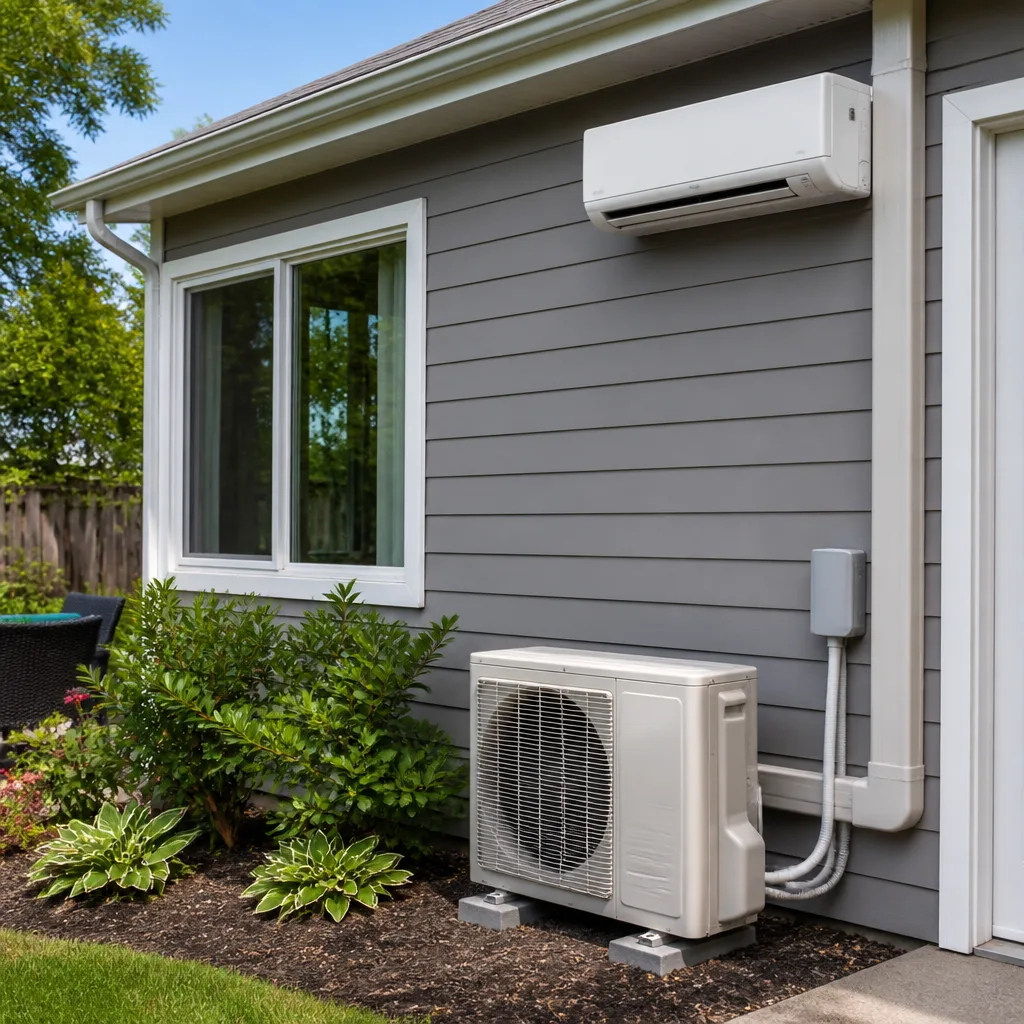 Ductless mini splits
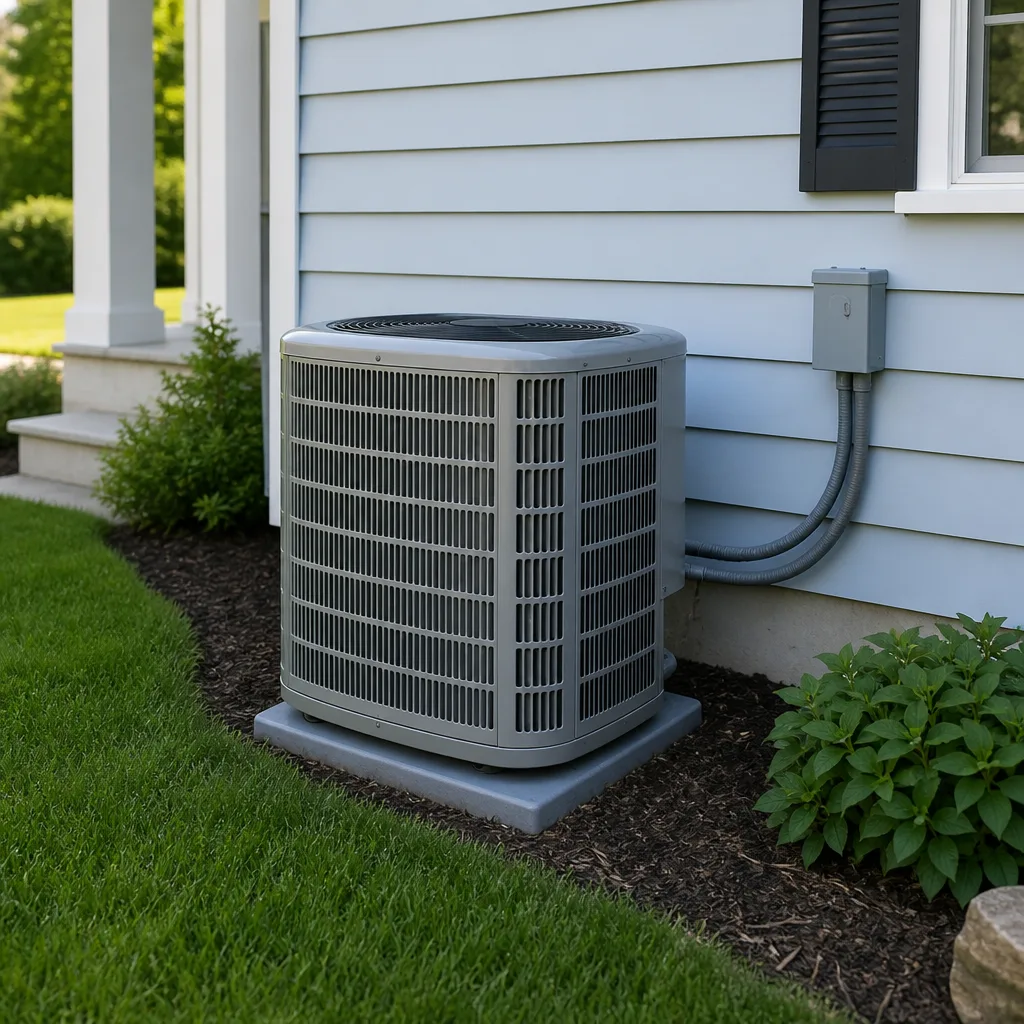 Carrier
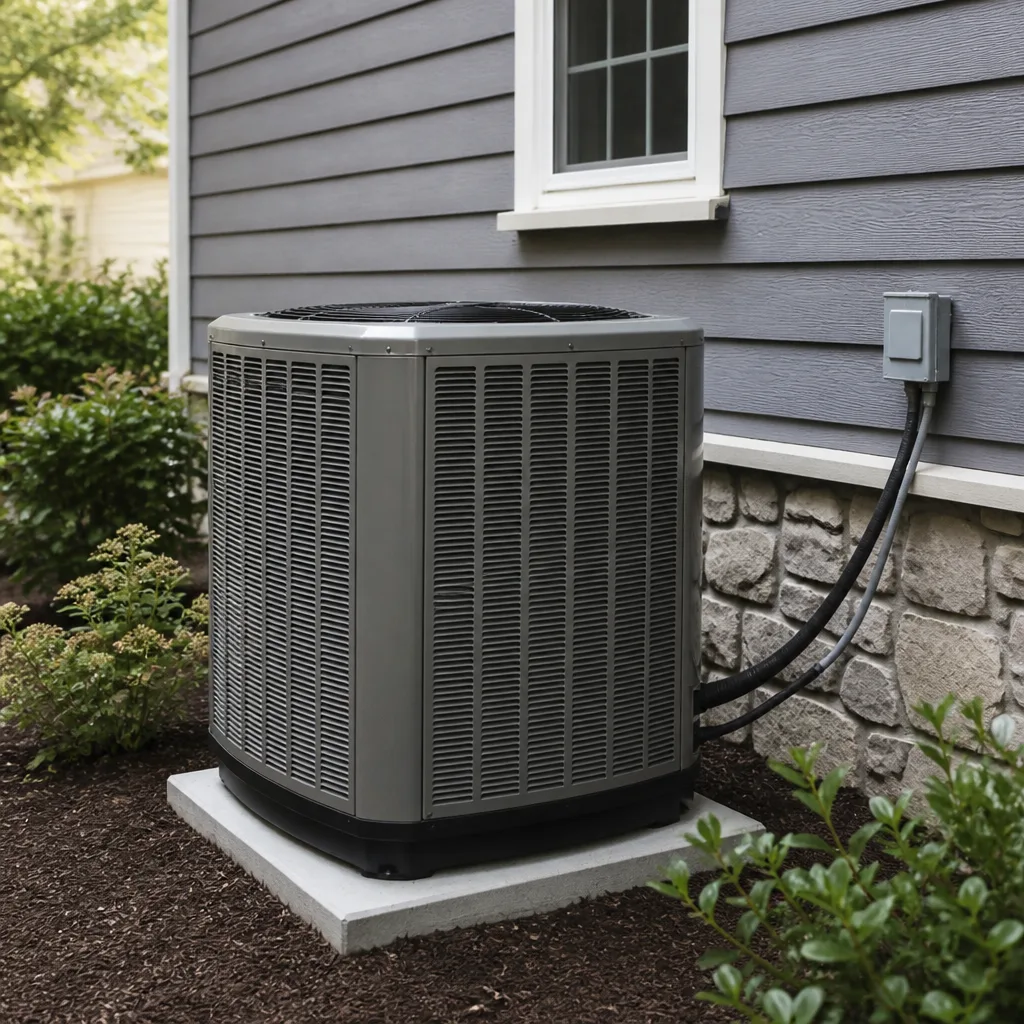 Trane
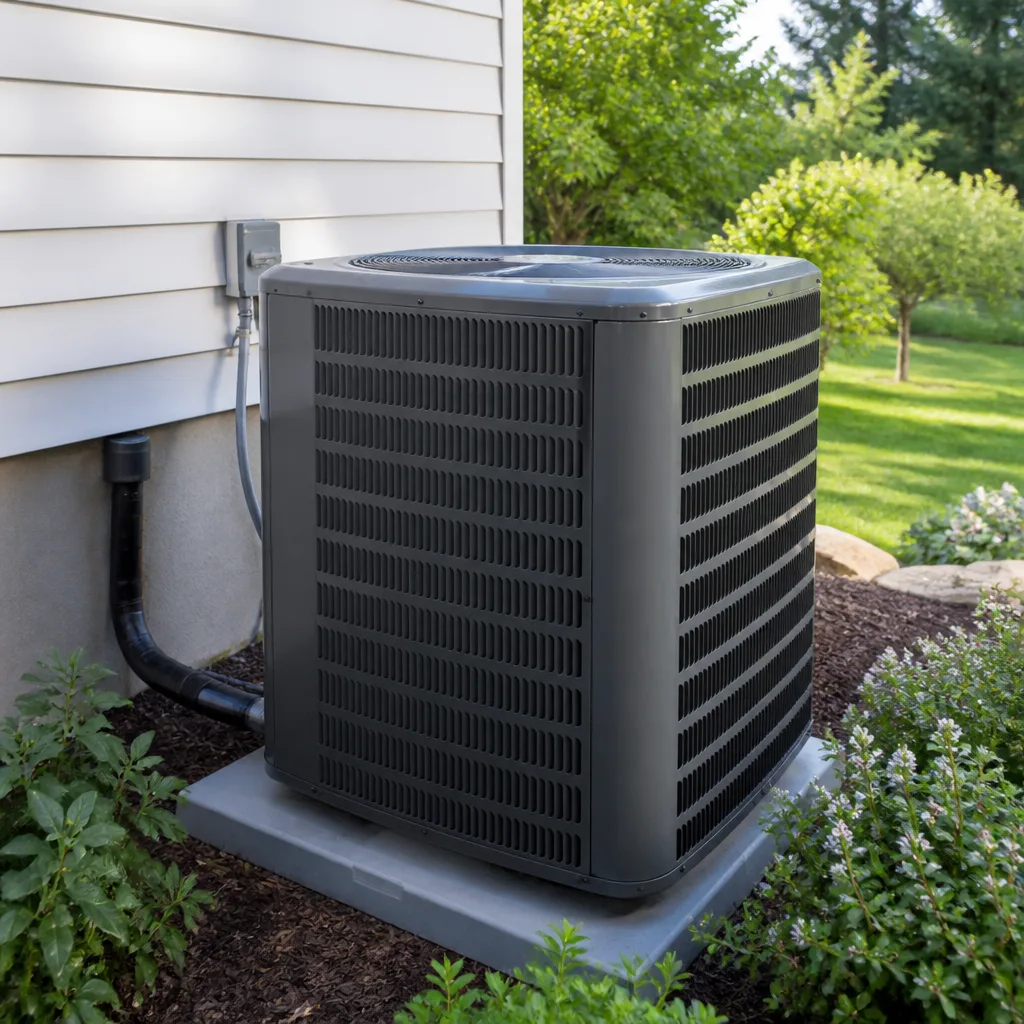 Goodman
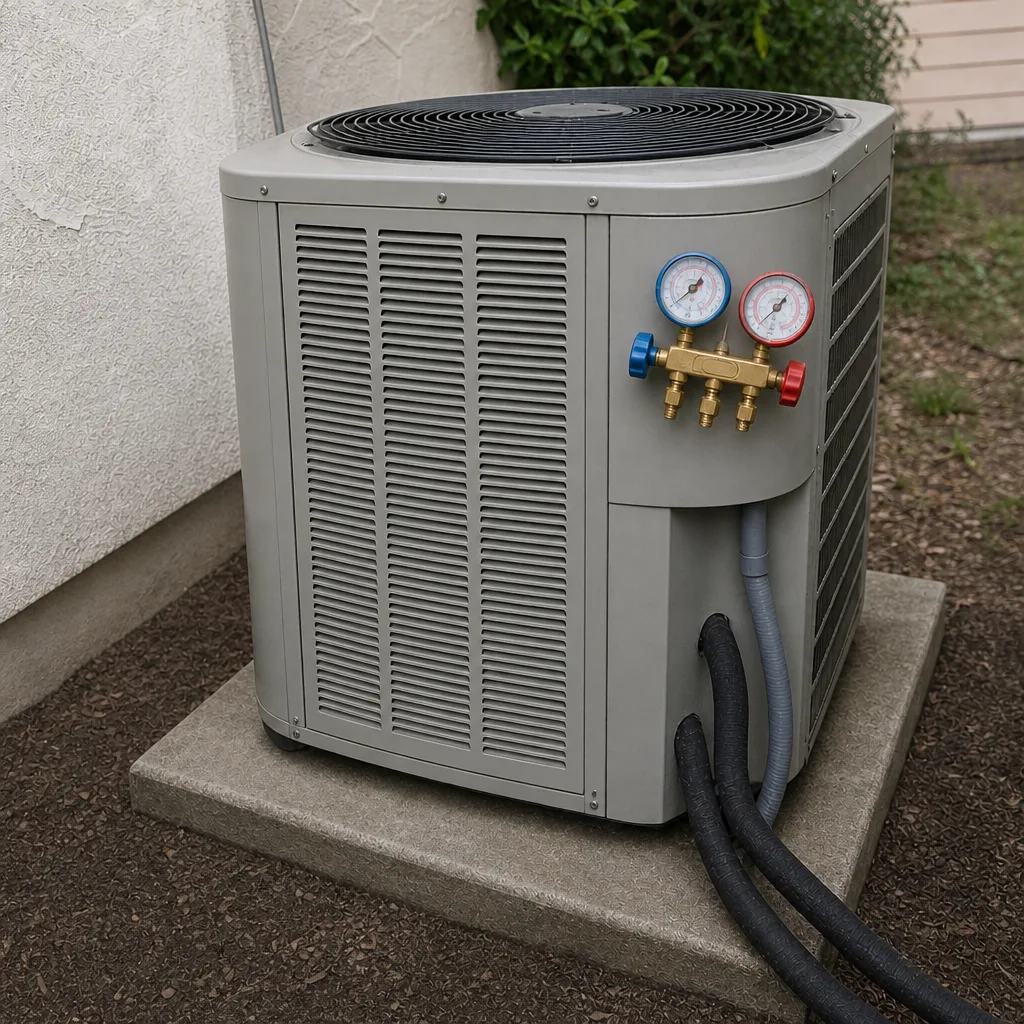
Seasonal tune-up and full diagnostic on your Carrier, Trane, or Goodman system - readings shown to you before any repair is proposed
Diagnosis first, numbers second - you approve the repair price before a single part goes in.
Get your free estimateChoosing the Right HVAC Brand: A Buyer’s Guide for St. Petersburg
Here’s a fact the glossy brochures leave out: the brand name on your condenser tells you almost nothing about how long that system will last in St. Petersburg. The coil material, the local parts pipeline, and the contractor who sets the unit matter far more. Two of the most heavily advertised HVAC brands in Florida ship aluminum evaporator coils as standard equipment. In humid, salt-heavy air near the water, that’s a corrosion clock measured in years, not decades. This guide decodes the nine major brands on their real merits for our climate, so you can pick a system based on how it holds up here, not on which name has the loudest ad budget.
Quick Answer
There is no single best HVAC brand for St. Petersburg. The right choice depends on three things: whether the coil is built to survive humid, salt-influenced air; whether parts are stocked at a local distributor in Pinellas County or have to ship in; and whether the contractor installing it is fluent across brands, because a well-installed Goodman will outlast a poorly installed premium unit every time. Match the brand to your home, your budget, and your hold plan, then get a written estimate that names the model numbers.
Styles & brands we work with
- AC repair
- Furnace & heating
- Heat pumps
- Ductless mini splits
- Carrier
- Trane
- Goodman
Table of Contents
- Why Brand Loyalty Costs St. Petersburg Homeowners Money
- Coil Material: The Spec Sheet Nobody Reads
- Parts Availability in Pinellas County
- Warranty Structure Decoded
- The Nine Major Brands and Where They Fit
- The Budget-Brand Case: Goodman and Rheem
- Why the Installer Matters More Than the Brand
- How to Choose: A Step-by-Step Method
Why Brand Loyalty Costs St. Petersburg Homeowners Money
The HVAC industry sells brand identity harder than almost any trade. Single-brand dealers train their entire business around one manufacturer, which means the recommendation you get from them is the recommendation they’re set up to give, not necessarily the right one for your house. That’s the myth: that one name is the “best” and everything else is a compromise.
In our experience across St. Petersburg, the brand rarely decides whether a system performs. Here’s what actually decides it:
- Load calculation. A unit sized wrong for your square footage and window exposure will struggle no matter whose logo is on it.
- Duct condition and sealing. A great condenser pushing cold air into leaking ducts cools your attic, not your living room.
- Coil metallurgy. In humid air near the water, the evaporator coil takes the abuse first. Aluminum and copper behave very differently.
- Parts access. If a part has to ship from out of state, a one-day repair becomes a one-week wait.
- Installer skill. Charge, line-set length, brazing, and start-up testing separate a system that lasts from one that limps.
Notice that four of those five have nothing to do with the brand badge. The fifth, coil material, is part of the brand’s base spec, and it’s where this conversation should start. When a homeowner in St. Petersburg tells us their system “only lasted ten years,” the first question we ask is which coil material it had. The answer is usually illuminating.
The point isn’t that brands don’t matter. They do, especially on warranty and parts. But brand is a tiebreaker, not the headline. Pick a system built for the conditions, installed by someone who knows more than one brand, and you’ll get a home that stays comfortable. Pick based on a TV jingle and you may get a shorter-lived unit.
Coil Material: The Spec Sheet Nobody Reads
The evaporator coil is the part that touches moist air constantly, condenses water out of it, and sits bathed in humidity all summer. That’s the wear point. Manufacturers use a few different coil constructions, and the differences show up fastest in this climate.
- Aluminum coils are lightweight, resist some corrosion, and are the standard on many high-volume product lines. In dry climates they’re fine. In persistent humidity with humid air and airborne moisture, they can develop pitting over time, and once an aluminum coil leaks refrigerant, repair is often not worth it.
- Copper coils cost more but hold up better against humidity-driven corrosion and are easier to repair when a leak does develop. Many premium tiers offer copper, sometimes only as an upgrade.
- Spine-fin and microchannel coils are variations that trade surface area and airflow for different corrosion and efficiency behavior. They can perform well but are harder to clean and to repair when fouled.
Here’s the practical rule for St. Petersburg: ask your contractor, in writing, what coil material the quoted model ships with, and whether a copper option exists. If a brand’s entry tier is aluminum-only and you plan to keep the home a long time, that’s a real cost consideration. Two of the most advertised names use aluminum as standard; several others offer copper or let you spec it.
The reason this matters so much in our market is simple: we run the AC nearly year-round, so the coil is wet and working more hours per year than a coil in a cooler climate. More run hours on a coil bathed in humid air means corrosion has more time to do its work. Ten years of AC season here is not the same ten years a coil sees up north. Choose the coil material as deliberately as you choose the brand.
Parts Availability in Pinellas County
A failed capacitor, blower motor, or control board is a repair. But a repair is only as fast as the part. Parts logistics decide whether a no-cooling call gets resolved the same day or stretches into a week, and that’s a brand question as much as a supply question.
Brands that build their residential volume around contractor and distributor networks tend to have deeper local stock in the Tampa Bay area. That means common wear parts are on a shelf within driving distance. Other brands, especially premium lines sold through fewer dealers, can mean your part has to be ordered and shipped, and shipping takes days.
What to ask before you commit to a brand:
- Which local distributors stock this brand’s common parts in Pinellas County?
- If a part isn’t stocked, what’s the typical lead time to get it?
- Are wear parts like capacitors, contactors, and blower motors readily available, or order-only?
- Does the manufacturer require the installing dealer to make warranty claims, or can any qualified contractor do it?
A brand with a national reputation but thin local stock is a gamble on a 95-degree afternoon. A brand that’s well-represented by distributors nearby means fewer days sweating. In St. Petersburg, where the cooling season is long, that difference is not abstract. Ask the parts question before you sign.
Warranty Structure Decoded: Read the Fine Print
Warranty length is the easiest number to advertise and the easiest to misunderstand. A 10-year parts warranty and a 5-year parts warranty are not simply twice-apart in value. What matters is the conditions attached to each.
- Registration traps. Many “10-year” parts warranties require the installing contractor to register the equipment within a set window after install. Miss that window and the warranty can drop to a shorter default term. Ask who registers and confirm it’s done.
- Parts vs. labor. Most manufacturer warranties cover parts only. Labor to diagnose and replace the part is usually separate. Understand what’s covered.
- Dealer-only claims. Some brands require warranty claims to go through the original installing dealer, which can complicate things if that dealer is unavailable. Others allow any qualified contractor.
- Coil coverage. Ask specifically how the coil is covered, since that’s the part most likely to fail first in this climate. Coil-only warranties with long terms are common, but read what voids them.
A shorter warranty with no registration trap and labor-friendly terms can be worth more than a longer warranty buried in conditions. The right move is to read the actual warranty document, not the sticker on the box. We walk homeowners through that comparison directly, because a warranty you can’t use is marketing, not protection.
The Nine Major Brands and Where They Fit
We’re certified to install and repair nine of the widely installed names in North America: Carrier, Trane, Lennox, Goodman, Rheem, York, Daikin, Bryant, and American Standard. Between them they cover the majority of residential systems in the field, which is why we don’t push one. They occupy different tiers, and each has strengths worth knowing.
A few in particular:
- Goodman is the value workhorse. Widely installed, deep parts availability, and honest value for the money. Its aluminum coil reputation means you should look at the specific model and coil spec, not the name alone.
- Rheem sits in a strong middle tier with good parts access and a solid coil story on many lines. It’s a sensible choice for a primary residence without paying premium-brand prices.
- Lennox is a premium name with strong efficiency options and higher price tags. Worth it when efficiency gains are real and the install is right.
- York offers a broad lineup and budget-friendly options that hold up well when properly installed and sized.
We work across all nine, so we can match the model to your home instead of steering you toward one brand a dealership is paid to move. A Carrier, a Goodman, or anything in between, we know it. The right answer for your house may be the brand with the better coil and the local parts shelf, not the one with the biggest billboard on the highway.
The Budget-Brand Case: Goodman and Rheem
For some homes, a budget brand is the objectively correct choice. That runs against the instinct to “buy the best,” but it’s the honest answer once you know the property’s purpose.
Consider a rental property or a home you plan to sell in a few years. The owner’s goal is reliable comfort with the lowest total cost over a short horizon. In that case a Goodman or Rheem system, properly sized and installed, is the smart financial move. You get the cooling and heating you need without paying for a longer-life premium tier you won’t be around to benefit from. Choosing a premium brand for a short hold is usually money left on the table.
Now flip it. A primary residence where you plan to stay for many years is a different calculation. Here, spending more on a better coil, a stronger efficiency tier, and a brand with long parts availability can pay you back over the life of the system. The premium is justified because you’ll be there to collect on it.
So the brand decision runs through one question first: how long are you keeping this home? Answer that honestly and the budget-versus-premium question mostly answers itself. A Trane installed poorly will underperform a Goodman installed correctly, so the brand choice only pays off when it’s matched to the home and the hold plan. We ask that question before recommending anything.
Why the Installer Matters More Than the Brand
This is the part most homeowners underweight. A brand is a box of parts. The performance of those parts is decided by the contractor who puts them in and the one who keeps them running.
What separates a good install from a bad one:
- A proper load calculation instead of a guess based on square footage alone.
- Correct sizing, because an oversized unit short-cycles and never dehumidifies properly.
- Ductwork sized and sealed for the equipment.
- Correct refrigerant charge and documented start-up readings.
- Clean brazing and line routing that won’t leak.
A single-brand dealer can’t give you a neutral comparison, which is fine if their brand happens to be right for you and wrong if it doesn’t. Brand-agnostic contractors who work across many platforms can tell you honestly how a Carrier and a York differ for your house. That’s the value of fluency across nine brands: the recommendation is based on your budget and your home, not on which brand pays the highest dealer margin.
Related to this: the same company that installs your cooling system should be able to handle furnace repair and the heating side. A home with one point of contact for both seasons gets consistent standards and one accountable team. When a contractor is fluent in the brands you already own, you’re never told your system “isn’t our brand.” They work on your system, not just the labels they favor.
How to Choose: A Step-by-Step Method
Bring it together with a simple process. It works whether you’re a first-time buyer or replacing an inherited system.
- Decide your hold horizon. Short-term hold or rental? Lean budget brand. Long-term home? Pay for the coil and efficiency tier that lasts.
- Get a load calculation. Ask for it in writing. No reputable quote should skip it.
- Ask about coil material in writing. Know whether you’re getting aluminum, copper, or a specific fin design, and why.
- Check local parts stock. Ask which distributors nearby carry this brand’s common parts.
- Compare warranties apples to apples. Registration requirements, parts versus labor, and coil coverage, side by side.
- Confirm the installer’s brand range. A contractor who installs many brands can give you a neutral recommendation.
- Get a written estimate with model numbers. See exactly what you’re buying before anyone orders equipment.
Follow those seven steps and the brand decision becomes a matter of record, not a matter of trust in an ad. If you’d rather have the comparison done for you, AC installation estimates from a brand-agnostic team can put the options in front of you honestly. For the full range of heating and cooling work we handle, start at Thrive AC Repair and we’ll take it from there. Our technicians have up to 14 years of experience across these systems, and we’re glad to put that toward your specific house in St. Petersburg.
Common Mistakes to Avoid
- Choosing by ad budget. A brand with the loudest Florida advertising isn’t automatically the longest-lived one, especially if its standard coil is aluminum. Read the spec sheet.
- Ignoring coil material. In St. Petersburg’s humid air near the water, the coil takes the abuse first. Skipping this question is the most expensive shortcut homeowners make.
- Skipping the load calculation. An oversized unit short-cycles, never dehumidifies well, and wears out faster. Demand the calc in writing.
- Assuming the longer warranty is better. A 10-year warranty buried in registration conditions can protect you less than a simpler 5-year one. Read the document.
- Picking a premium brand for a rental. On a short hold, a Goodman or Rheem installed right is the smarter money. Don’t pay for years you won’t be there to use.
- Letting a single-brand dealer decide for you. Their recommendation is shaped by what they’re set up to sell. Get a brand-agnostic comparison.
- Forgetting the heating side. Homes here have heating equipment too. Ask who services it before you commit to a contractor for cooling.
See the difference
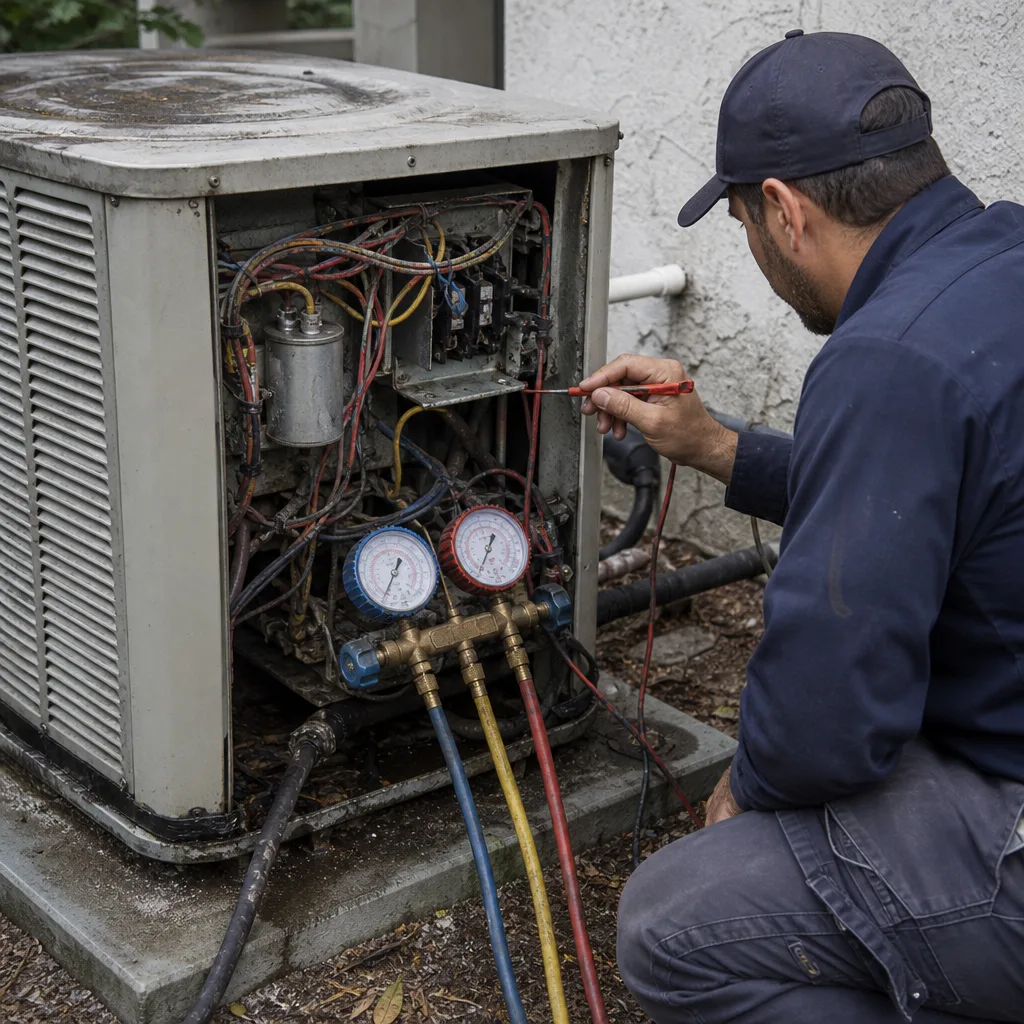 Before
 After
 Before
 After
 Before
 After
When to Call a Professional
Call a professional when your existing system is failing and the repair-or-replace decision is real. Call when a no-cooling or no-heat situation needs diagnosis, when a quote names one brand without explaining alternatives, or when you’re buying a home and don’t know what system you inherited. Call when a warranty claim runs into a dealer-only barrier, or when a part is on multi-day backorder and you need someone who can source across brands. Don’t tackle refrigerant, electrical, or coil work yourself; it needs a trained technician. Thrive AC Repair offers free estimates in St. Petersburg, so you can get a straight comparison before you spend. We answer 24/7, and offer fast dispatch from 7am to 7pm. Call (855) 490-0819.
Frequently Asked Questions
There isn’t one best brand; the right system depends on your coil material, local parts availability, and installer quality. For humid air near the water, favor a compressor and coil built to last, and pick a contractor fluent across brands so you get a neutral recommendation. Call (855) 490-0819 for a free estimate.
Yes, it’s one of the most important specs. Aluminum coils are standard on many high-volume brands but can corrode faster in persistent humidity than copper. Ask in writing what coil your quoted model uses and whether a copper option exists.
Often, yes. For a rental or a short-term hold, a Goodman or Rheem installed correctly is typically the smarter financial choice because you avoid paying for longevity you won’t use. What matters most is a proper load calculation and clean install.
Compare registration requirements, parts versus labor coverage, coil coverage, and whether claims can go through any qualified contractor or only the installing dealer. A shorter warranty with clear terms can protect you more than a long one full of conditions. Call (855) 490-0819 and we’ll walk you through it.
High-volume brands with deep distributor networks usually have common parts stocked nearby. Before you commit, ask which local distributors carry the brand’s wear parts and what the lead time is on a special order. That one question can save you a week of no cooling.
Yes, same-day service is often possible. We answer 24/7, and offer fast dispatch from 7am to 7pm, Sunday through Friday. Call (855) 490-0819 for an exact quote; estimates are free.
The Bottom Line
Brand loyalty is the HVAC industry’s most expensive myth. The right brand for a St. Petersburg home is the one whose coil survives the humidity, whose parts are stocked within driving distance, and whose warranty you can actually use. Goodman and Rheem make sense on a short hold or a rental; premium coil and efficiency tiers make sense for a long-term home. None of it works without a contractor fluent across brands and a written estimate that names model numbers. Match the system to your home and your hold plan, then let the specs, not the ads, decide. That’s how a home stays comfortable season after season.
Ready to compare brands on their merits for your house? Call Thrive AC Repair at (855) 490-0819 for a free estimate. Year-round comfort, one company. We answer 24/7, and offer fast dispatch from 7am to 7pm, Sunday through Friday.
Written by the team at Thrive AC Repair.