
Last updated November 16, 2026
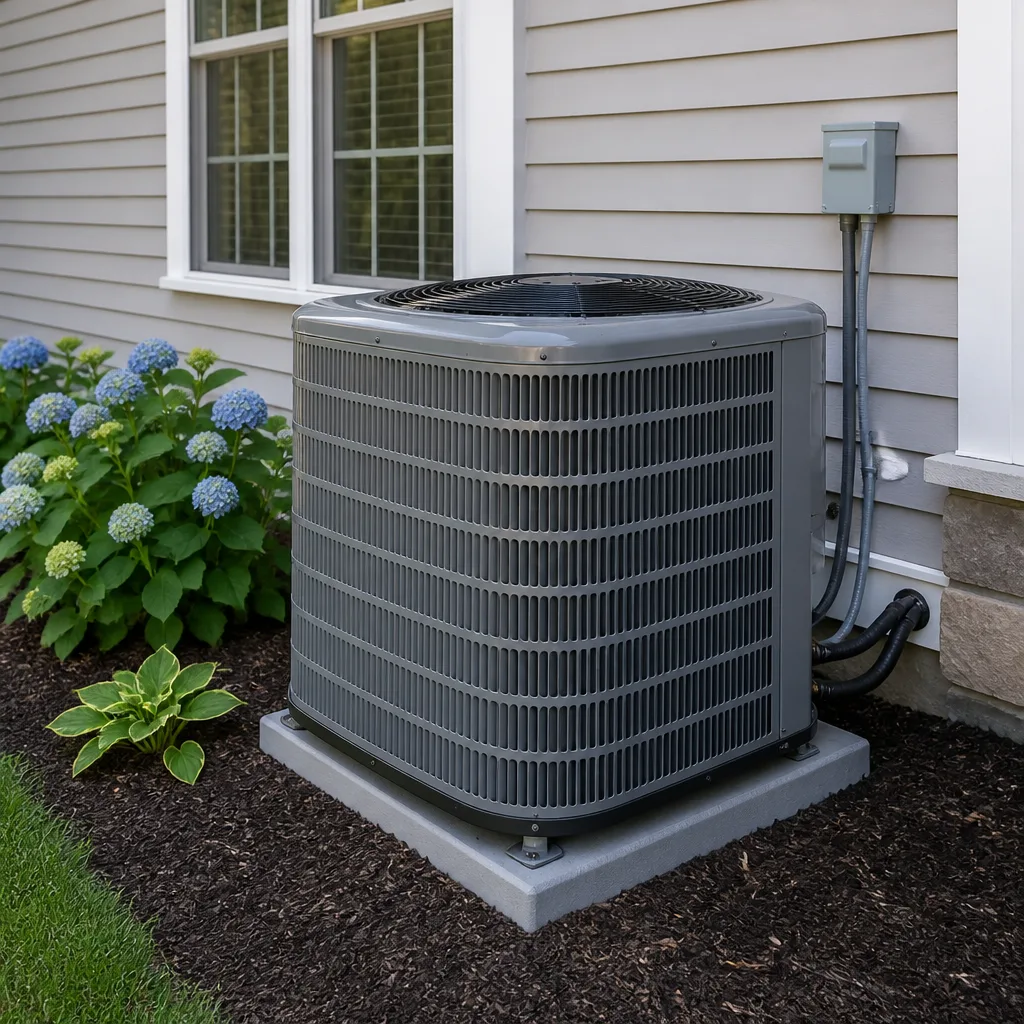 AC repair
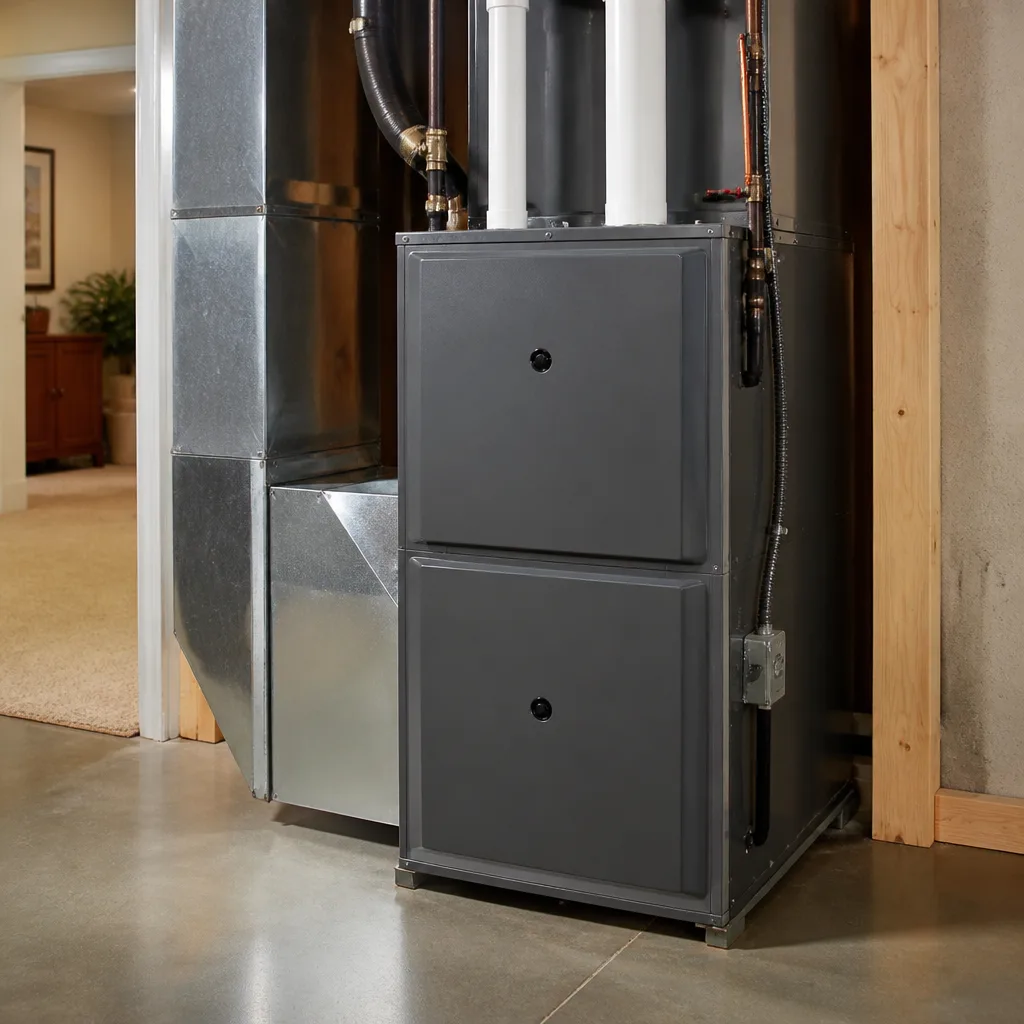 Furnace & heating
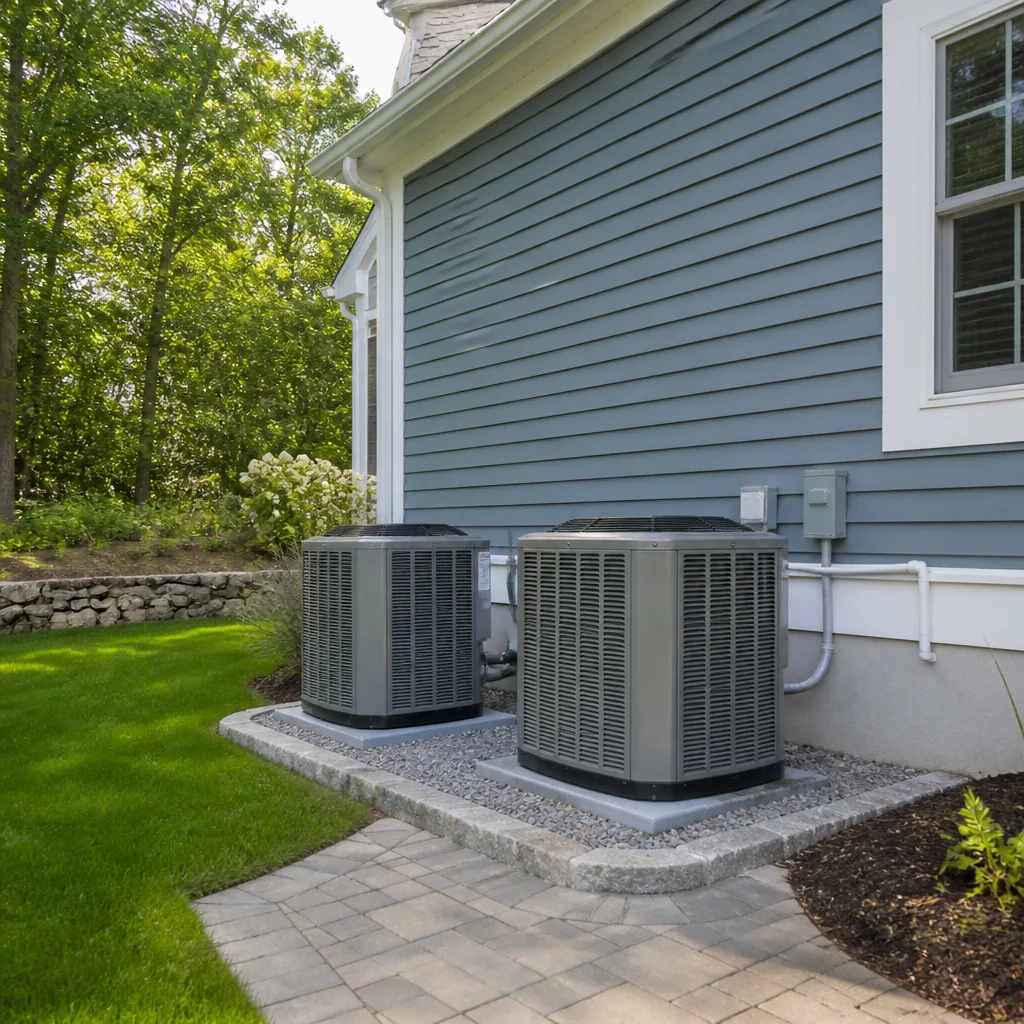 Heat pumps
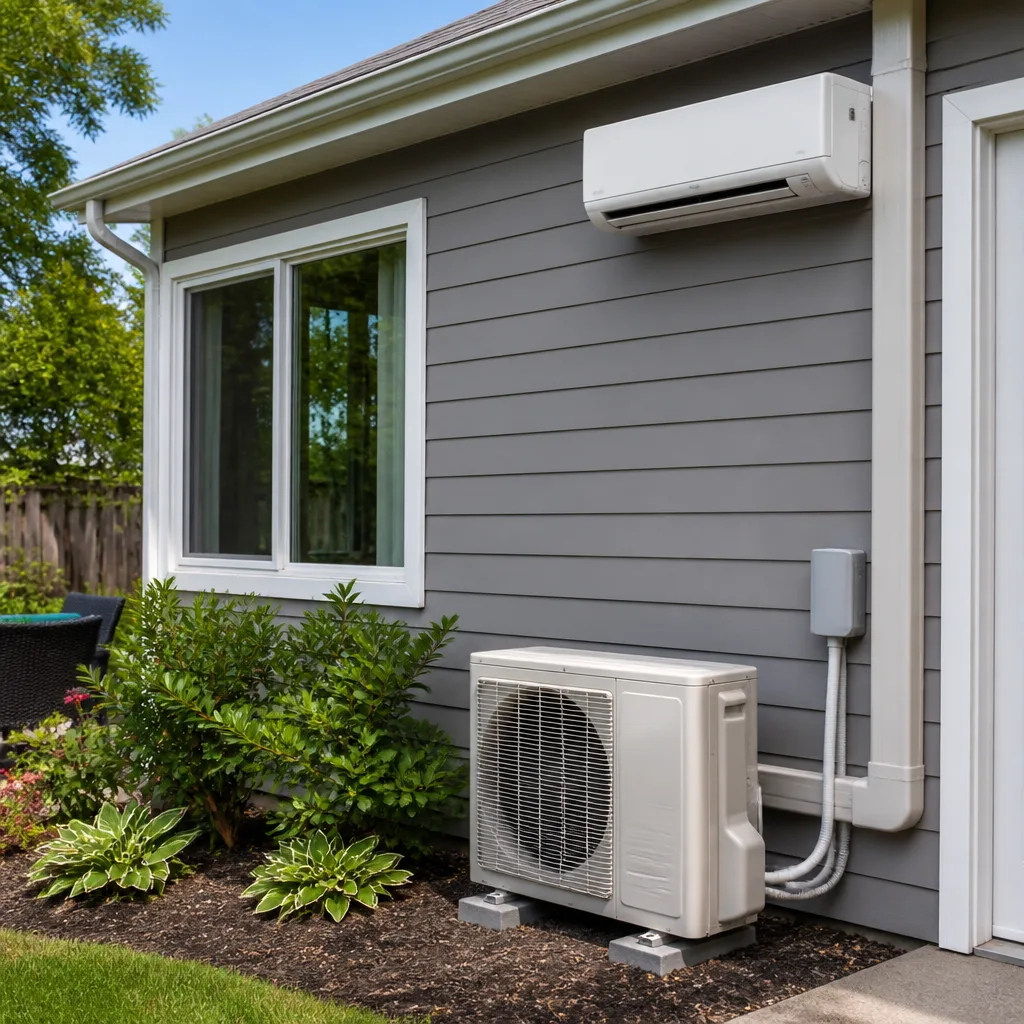 Ductless mini splits
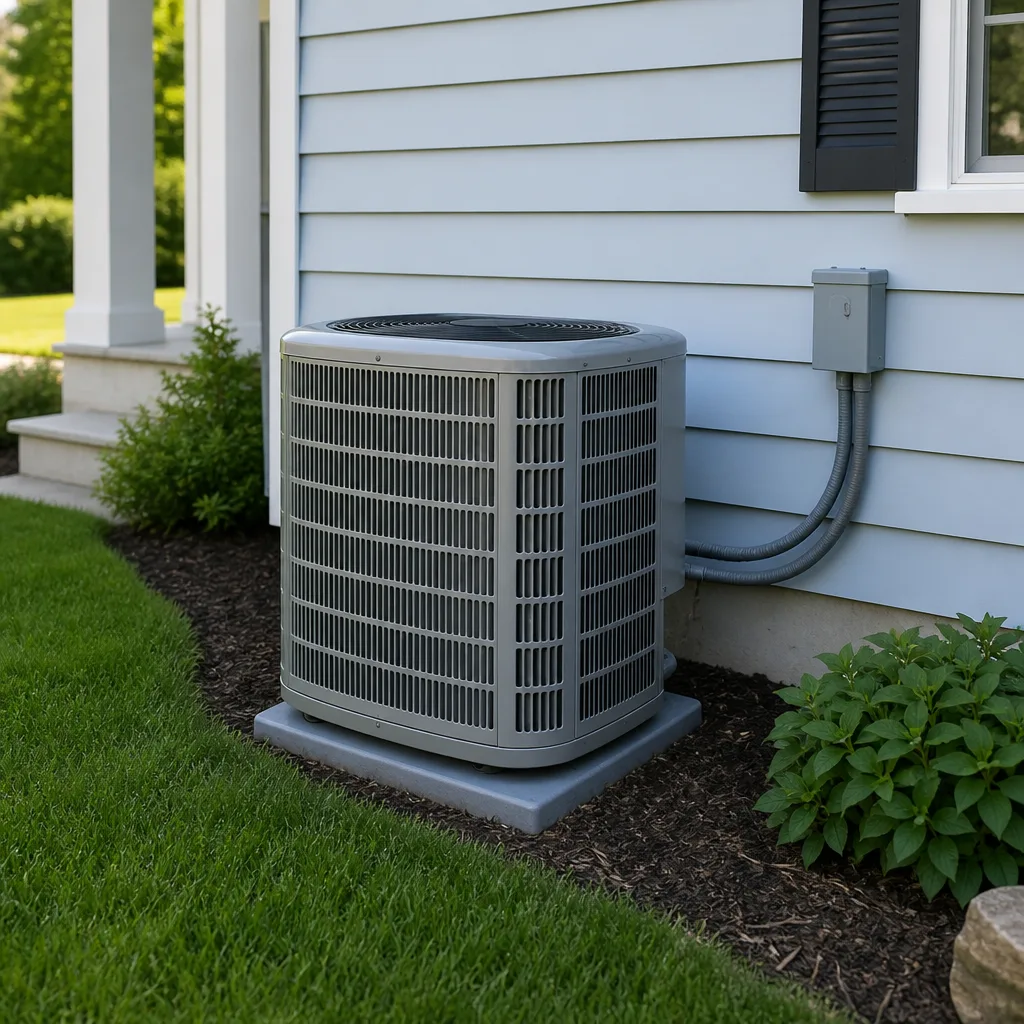 Carrier
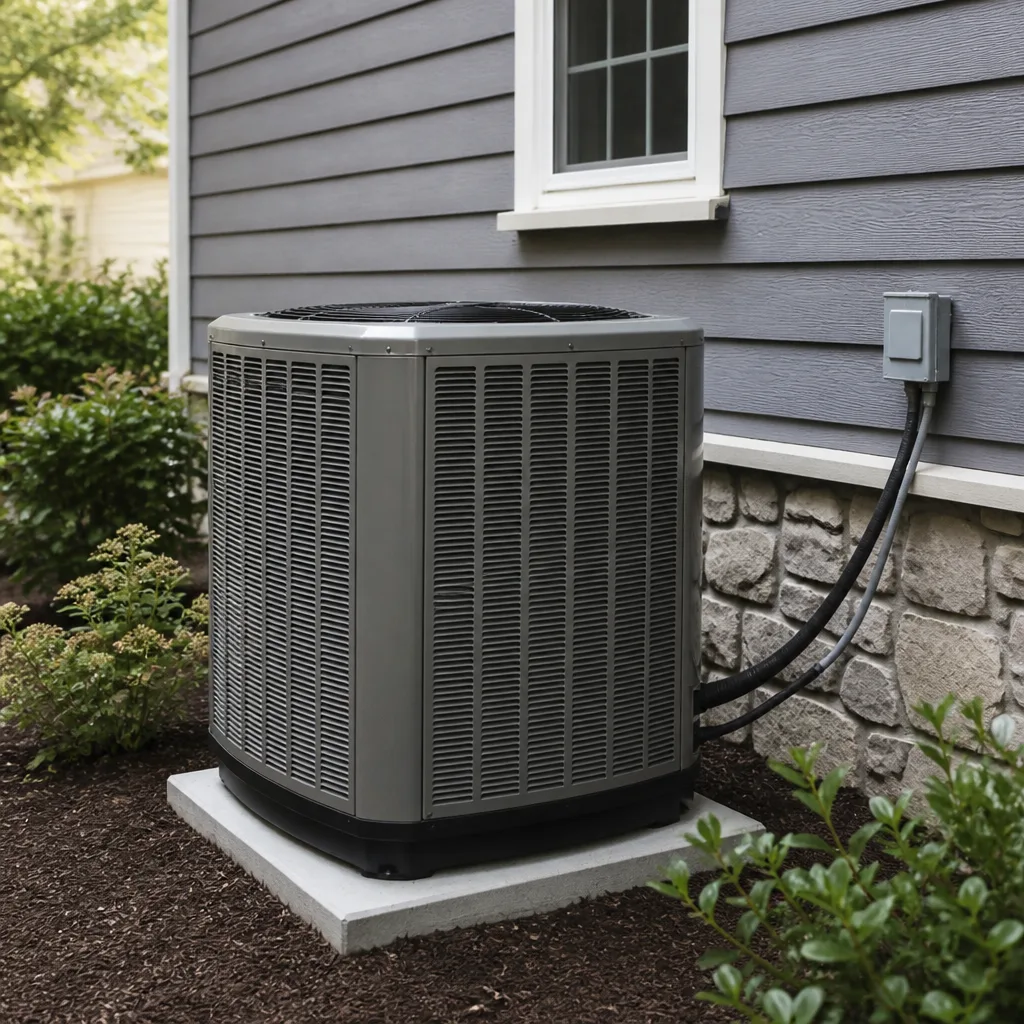 Trane
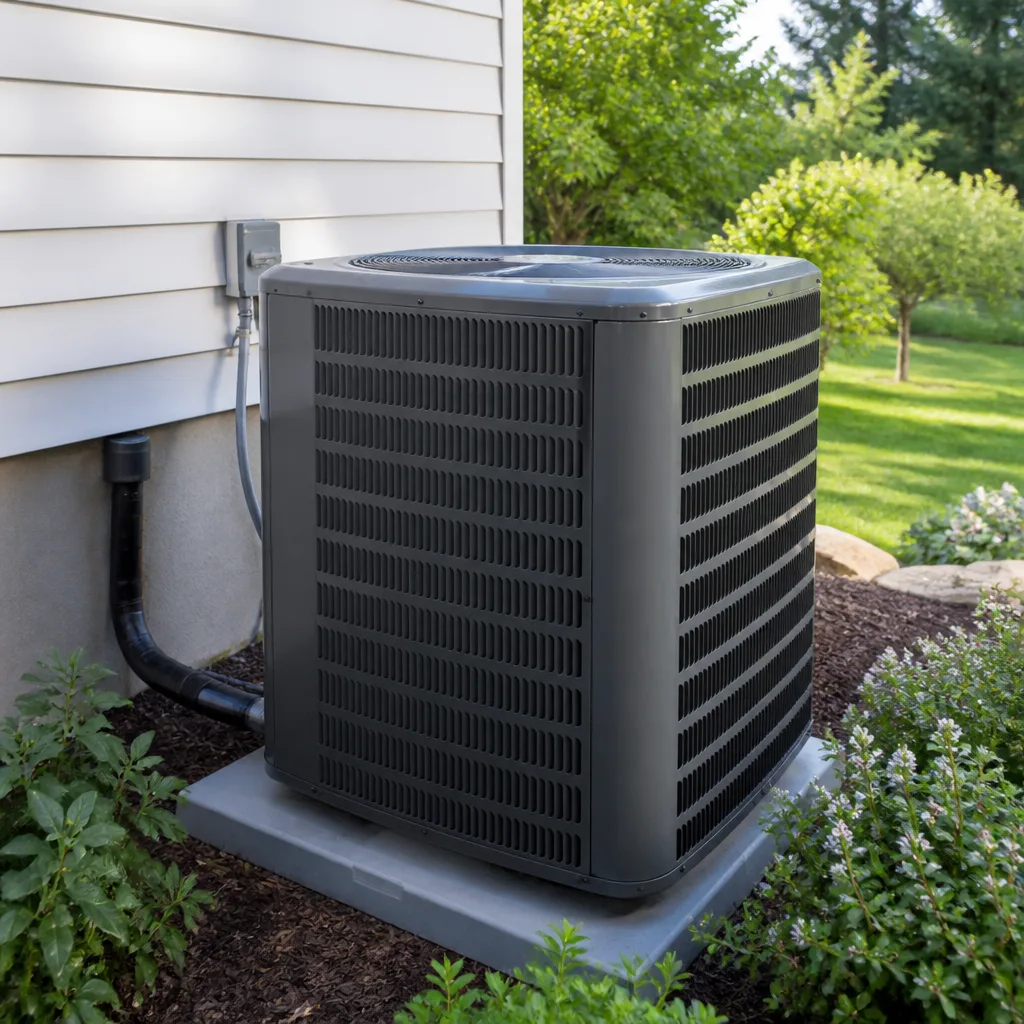 Goodman
Seasonal tune-up and full diagnostic on your Carrier, Trane, or Goodman system - readings shown to you before any repair is proposed
Diagnosis first, numbers second - you approve the repair price before a single part goes in.
Get your free estimateDIY vs Professional HVAC: The St. Petersburg Homeowner’s Decision Guide
Here’s a fact that surprises most homeowners: it is a federal violation to handle refrigerant without an EPA 608 certification. And here’s the flip side that surprises them just as much: cleaning your condenser coil with a garden hose is a job you should be doing twice a year instead of paying someone for. The DIY-versus-pro question in HVAC isn’t binary. There’s a real set of tasks where a careful homeowner saves genuine money, and a hard legal line where amateur work voids a manufacturer warranty, breaks Florida law, or puts you at risk. This guide draws that line precisely, so you stop paying for work you could do yourself and stop damaging equipment you shouldn’t touch. We’ll walk through the Florida licensing boundary, the owner-permissible jobs with realistic time and savings, when a multimeter reading helps versus misleads, and the warranty fine print most homeowners never read. If you live in St. Petersburg, the humidity and the age of the housing stock make several of these decisions more consequential than they’d be elsewhere.
Quick Answer
You can safely handle filter changes, condenser coil cleaning, condensate drain flushing, thermostat battery and low-voltage wiring swaps, and basic visual inspections yourself. Everything involving refrigerant, the sealed refrigeration circuit, gas lines, electrical panel work, or the compressor and its high-voltage components requires a licensed professional under Florida law. A handful of diagnostic checks with a multimeter can tell you whether a call is urgent, but they don’t replace a technician’s diagnosis. When in doubt, a free estimate costs you nothing and protects your warranty.
Styles & brands we work with
- AC repair
- Furnace & heating
- Heat pumps
- Ductless mini splits
- Carrier
- Trane
- Goodman
Table of Contents
- The Legal Line in Florida: What You Can and Can’t Touch
- Four Owner Tasks That Genuinely Pay Off
- How to Diagnose Before You Call (Without Guessing)
- Warranty Fine Print: What “Improper Installation” Really Means
- When the Wrong Pro Is Worse Than a Careful DIY Attempt
- What St. Petersburg’s Climate and Housing Ask of You
- Repair or Replace: Applying the DIY Mindset to the Big Decision
The Legal Line in Florida: What You Can and Can’t Touch
Florida separates HVAC work into two categories: what a homeowner may do on their own property, and what requires a state-issued license. The dividing line comes down to the refrigerant circuit and the electrical work that supports it. Anything that opens, recharges, or alters the sealed refrigeration system belongs to a licensed contractor holding a CAC (Class A, B, or C) air-conditioning license. That’s not a rule the industry invented to protect its revenue; it’s a public-safety framework built around refrigerant handling, pressure systems, and electrical code compliance. If a permit is required for a job, an unlicensed person pulling it or skipping it can create problems that follow the property at resale.
Here’s the practical breakdown of what sits on each side:
- Homeowner-permissible: air filter replacement, exterior condenser coil cleaning with a hose, condensate drain line flushing, thermostat battery swaps, low-voltage thermostat replacement (matching the existing wiring scheme), and visual inspection of the outdoor unit.
- Licensed professional required: adding or recovering refrigerant, any work on the compressor, brazing or cutting refrigeration lines, capacitor and contactor replacement inside the electrical panel of the unit, gas furnace work, and full system installation or replacement.
One nuance catches people: replacing a thermostat whose wiring matches the old one is usually within reach of a careful homeowner, but if your system uses a communicating thermostat or you’re switching from a basic unit to a smart model that needs a common wire run, that low-voltage work can go wrong in ways that damage the control board. If the wiring doesn’t match, stop and call.
There’s also a landlord-versus-owner distinction worth knowing. If you rent, essentially none of the tasks in this guide are yours to perform. Contact your property manager or landlord instead. For St. Petersburg homeowners, the licensing rule matters most in older neighborhoods where systems have been modified, replaced, or added onto over time. That history makes it harder to know what’s actually in the walls and the attic, and that’s where a licensed technician’s eyes earn their keep.
If you’re ever unsure whether a task falls on your side of the line, the safe assumption is that it doesn’t. Ask your local building department or an HVAC professional before you start. It’s a phone call versus a warranty claim.
Four Owner Tasks That Genuinely Pay Off
These four jobs are the ones we recommend every St. Petersburg homeowner master. They take less than an hour combined, need no specialized tools, and each one prevents a repair category that shows up constantly in a humid climate. Done consistently, they’ll save you a service call or two a year.
1. Filter Replacement
- Turn the system off at the thermostat.
- Slide out the return-air filter and note its size and MERV rating (printed on the frame).
- Replace with the same size. Don’t overshoot the MERV rating; a filter rated higher than the blower can handle chokes airflow and forces the system to work harder.
- Write the date on the new filter’s frame with a marker so you know when it’s due.
Time: five minutes. Cadence: monthly during heavy cooling season, which in St. Petersburg means most of the year. Cost: a few dollars per filter. A clogged filter is the leading preventable cause of frozen coils and premature blower failure, and it’s the single highest-value habit on this list.
2. Condenser Coil Cleaning
- Cut power at the outdoor disconnect (the pull-out block or switch near the unit).
- Clear leaves and debris from around the unit; keep at least two feet of clearance.
- Rinse the coil fins gently with a garden hose from the inside out, low pressure only. Bent fins block airflow as badly as dirt.
- Straighten any crushed fins with a fin comb if you have one.
- Restore power.
Time: 20-30 minutes. Do it twice a year. In St. Petersburg’s pollen and humidity, a fouled coil strains the compressor and raises your power bill without ever changing the thermostat setpoint. A technician will charge for this as part of a tune-up; doing it yourself is safe and within your rights.
3. Condensate Drain Flushing
- Locate the drain line, usually a PVC pipe exiting near the indoor air handler or at the exterior.
- Pour a cup of white vinegar down the access tee or cap, or use a wet/dry shop vac on the exterior end to pull the clog out.
- Check the drain pan for standing water and clear any debris.
Time: 10 minutes. Do it every few months. A clogged condensate line is one of the most common calls we get in St. Petersburg, and in a climate this humid, it can overflow and damage ceilings and drywall before you notice.
4. Thermostat Checks
- Replace batteries annually (most units use AA or AAA).
- Confirm the thermostat is set to COOL and the fan is on AUTO during cooling season.
- Clean the small sensor opening with a dry cloth.
Time: two minutes. Most “system won’t turn on” service calls trace back to dead thermostat batteries or a display set to the wrong mode.
How to Diagnose Before You Call (Without Guessing)
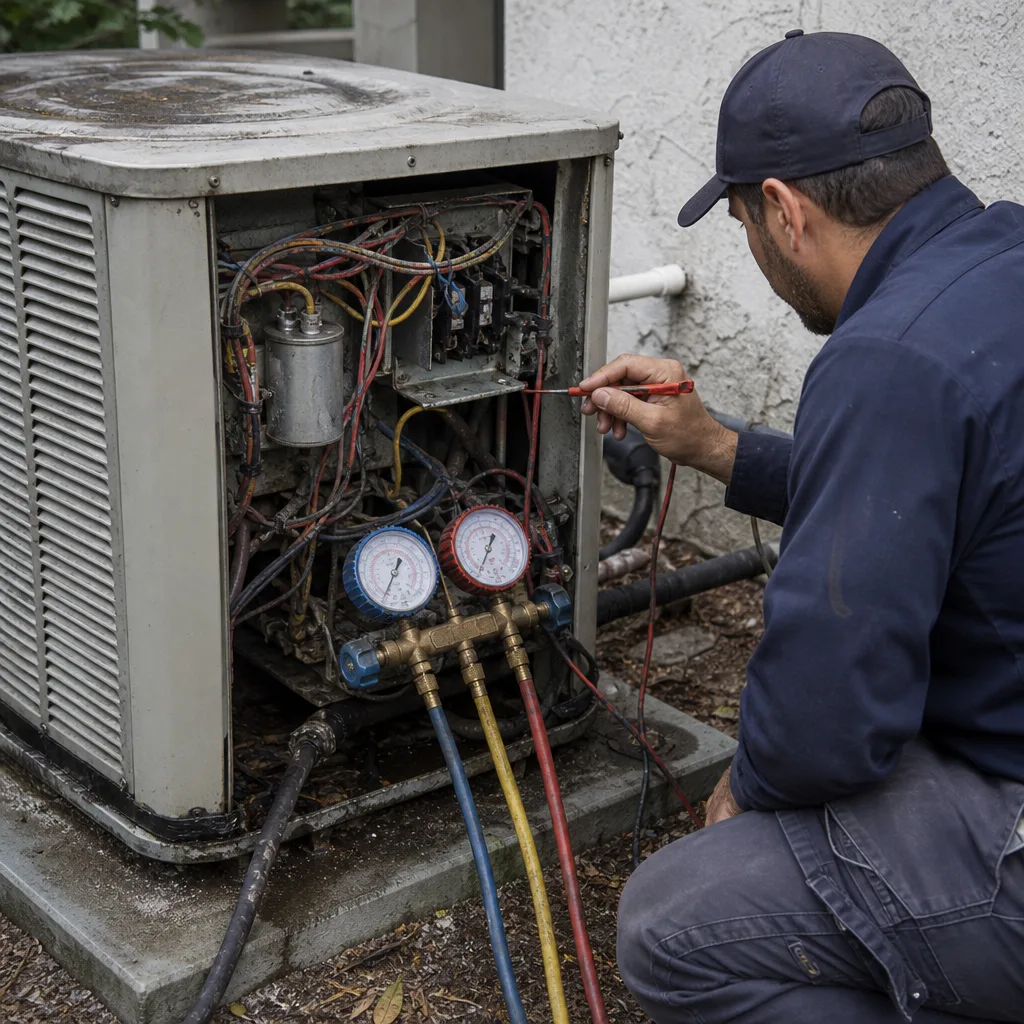
A multimeter is one of the most useful homeowner tools in the HVAC conversation, and you can use it to run a specific check that tells you whether you’re dealing with a straightforward failed part or something a technician needs to see. That check is the capacitor. Capacitors are the small cylindrical components that give the compressor and blower motor their starting kick. When a capacitor fails, the system hums and doesn’t start, or it trips the breaker, and the symptom looks a lot like something much worse.
Here’s how to use the reading without crossing the safety line:
- Turn off the system at the thermostat and the breaker. Then pull the outdoor disconnect. Do not skip this.
- Locate the capacitor inside the outdoor unit’s electrical compartment. It’s a small can-shaped component with two or three terminals on top.
- Discharge it safely before testing. Capacitors hold a charge even after power is off. Use an insulated screwdriver with a resistor across the terminals to bleed it, per your meter’s instructions. If you’re not comfortable doing that, stop here.
- Set your meter to capacitance and test across the terminals. Note the rating printed on the capacitor’s label (for example, 45/5 µF).
- Compare. If your reading is more than about 10% below the rated value on the compressor side, the capacitor is weak or failed and is the likely culprit.
What to do with the reading: if the capacitor tests bad and you’re comfortable replacing a like-for-like part (same microfarad rating and voltage), that’s a task many homeowners handle. If the capacitor tests fine, the fault is deeper, and guessing further will likely make it worse. Call for a diagnosis. We answer 24/7 if you’re unsure.
Where DIY diagnosis helps most: it filters out the easy calls and tells you when a symptom is urgent. Where it misleads: a failed capacitor and a failing compressor both cause the same hum-and-trip symptom, and a multimeter alone won’t tell you which. If the system keeps tripping the breaker even with a new capacitor, stop and call. Breaker tripping is an electrical and compressor safety concern, not a part you swap and see.
One more honest point: multimeter readings on a running system, especially at the compressor terminals and contactor, carry real shock risk. Capacitors and high-voltage components can injure you seriously. If you’re not confident, close the panel and call. A technician has the tools and training to check the same parts under live conditions safely.
Warranty Fine Print: What “Improper Installation” Really Means
Manufacturer warranties, whether your system is a Daikin, a Bryant, an American Standard, or any of the other major brands, all contain some version of a “proper installation by a licensed professional” clause. That language gives manufacturers a way to deny a claim when work was done outside their expectations. Most homeowners never read it until they’re filing a claim, by which point the clause is what stands between them and a covered repair.
Here’s what triggers the clause in practice:
- Refrigerant work performed by an uncertified person. Any handling of the sealed system by a non-certified individual can void the refrigeration-circuit coverage.
- Electrical work not matching code. An unpermitted electrical modification to the unit’s control circuit can be grounds for denial if it’s associated with a later failure.
- Installation without a permit or licensed contractor. A full replacement installed without a licensed professional and the required permit can void the equipment warranty entirely.
- Wrong-size components. Swapping in a mismatched capacitor or motor is a common culprit. Equipment designed to a spec, and run outside it, gives the manufacturer a defensible denial argument.
- Filter neglect. Some warranties have specific language requiring regular filter maintenance; not keeping records can hurt you at claim time.
The practical takeaway: for anything on the owner-permissible list, you’re fine. For anything involving the sealed refrigerant circuit, high-voltage electrical components, the compressor, or a full installation, a licensed professional isn’t just the safer choice, it’s the one that keeps your warranty alive. Keep your receipts and records of any service work (professional or your own filter changes) so you have a paper trail if a claim arises.
If you’re uncertain whether an action would void your warranty on a specific system in your St. Petersburg home, the safest move is to check with a licensed HVAC professional familiar with that brand before you act. That’s a quick conversation, and it’s free.
When the Wrong Pro Is Worse Than a Careful DIY Attempt
This is the part of the DIY-versus-pro decision most guides skip: it is entirely possible to hire a professional who makes things worse than a careful homeowner would. The scenario is specific. A brand-specialist dealer is only contracted, incentivized, and trained on one manufacturer’s equipment. When you call them out on a competing brand, the advice you get is sometimes filtered through the “replace it with ours” lens. That’s not a knock on any single dealership; it’s the structural reality of how single-brand agreements work.
We’ve seen it play out in St. Petersburg homes where the installed system is a perfectly good Carrier or a solid Goodman, and a dealer who doesn’t carry that brand recommends a full replacement when a repair would have been the honest call. The homeowner pays for a new system they didn’t need, and the existing one goes to the recycler while it still had years on it. The “wrong professional” problem is not a competence problem; it’s an incentive problem.
The right professional for your situation is one who works across brands. A multi-brand HVAC company services the equipment you actually own. This is Thrive AC Repair‘s entire model: nine major manufacturers from Carrier and Trane to Daikin and Goodman, so the technician who shows up can work on your system regardless of which brand name it carries. Recommendations are based on your budget and your home, not on which brand pays the highest dealer margin. That alignment matters most on furnace-side decisions, where repair versus replacement is a genuinely close call more often than the industry admits, and where our technicians have up to 14 years of experience across all the platforms we service.
The practical filter for choosing a professional: ask upfront which brands they service and whether they’ll recommend a repair if a repair is what’s warranted. A company that hesitates on either question is telling you something.
What St. Petersburg’s Climate and Housing Ask of You
The DIY-versus-pro calculus shifts in a place like St. Petersburg, and it’s worth being specific about why. The humidity here is relentless for most of the year. That means the condensate drain and the coil fins take a beating, and your filter replacement cadence needs to be more aggressive than the generic “every three months” advice. Monthly filter changes during peak season are reasonable. Condensate line flushing quarterly is the minimum; monthly during the wettest stretches is smarter. Coil cleaning twice a year is well-earned maintenance. All four of these are yours to do, and all four prevent the highest-frequency repair categories we see. When you’re thinking through your seasonal to-do list for your St. Petersburg home, those four should be at the top.
The second local factor is the housing stock. St. Petersburg neighborhoods range from older bungalows with ductwork that’s been modified over the decades to newer construction with higher-efficiency equipment that’s more sensitive to airflow problems. If your home is older, the “what has a previous owner already done to this system” question is real. A licensed technician is more valuable on a system with a complicated history, because the visual inspection reveals things a homeowner wouldn’t know to look for.
June through September is the pressure-test season. When the system fails in that stretch, the DIY decision becomes a timing decision too. Fast dispatch from 7am to 7pm, Sunday through Friday, and a phone line we answer 24/7 are what let us get to a St. Petersburg no-cooling call before the interior heat does its thing. If you’re trying to decide whether to troubleshoot or call, in the middle of July the answer is usually call.
Repair or Replace: Applying the DIY Mindset to the Big Decision
Homeowners who’ve mastered the daily maintenance tasks build something more valuable than the savings: confidence in diagnosing their own system. That confidence should carry into the repair-or-replace decision, because a well-informed homeowner makes better choices than one who’s rushed into a sales pitch.
The rule of thumb we use: repair is the smart call for most failures on a system under about 10-12 years old with a clean service history. Replace once you’re past 15 years, or when the repair-plus-ongoing-cost math starts pointing toward a replacement. For a city like St. Petersburg, where a failed AC in August is an urgent safety problem, planning the replacement during the shoulder season is the cheaper move than waiting for a crisis.
We’ll tell you the truth either way. That means if your Carrier is a decade old and the capacitor failed, we’ll fix the capacitor. If your American Standard is 17 and the compressor is going, we’ll show you the numbers on both paths and let you decide. Our AC installation team and our furnace repair team operate under the same name, which means a repair-versus-replace conversation stays with one company and one point of contact. Full-year coverage, no second company to schedule, no referral to a brand-authorised dealer who doesn’t carry what you own. That’s the model that makes a brand-agnostic recommendation possible in the first place.
Common Mistakes to Avoid
- Refrigerant top-offs as a DIY project. Adding refrigerant without EPA 608 certification is a federal violation, and it’s also the wrong fix if you don’t know where the leak is. If the system is low, the right answer is a leak check by a licensed professional, not a can of refrigerant from a parts store.
- Overshooting on filter MERV rating. A filter that’s too restrictive for your blower starves airflow and shortens equipment life. Match the rating the system can handle, or you’ll create a problem while trying to solve one. This is common in St. Petersburg homes where owners upgrade filters in response to allergy season without checking the airflow spec.
- Skipping the capacitor discharge before testing. Capacitors hold a dangerous charge after power is off. If you’re not going to use a proper discharge procedure, don’t open the panel at all.
- Not keeping maintenance records. Warranty claims at year eight depend on whether you can show the system was maintained. Keep receipts and a simple log of filter changes and coil cleanings; the paper trail matters.
- Calling a brand-specific dealer for the wrong brand. A dealership incentivized on one manufacturer is a mismatch when your system is a different one. Ask which brands they service before you book the call.
- Assuming a thermostat swap is universally a DIY job. Matching wires from an old unit to a new smart thermostat is usually fine; adding a common wire and dealing with communicating thermostats is not. Stop when the wiring doesn’t match.
- Waiting until August in St. Petersburg to think about repair vs replace. The decision gets much more expensive when the system fails at peak demand. Plan the big call in the shoulder months.
See the difference
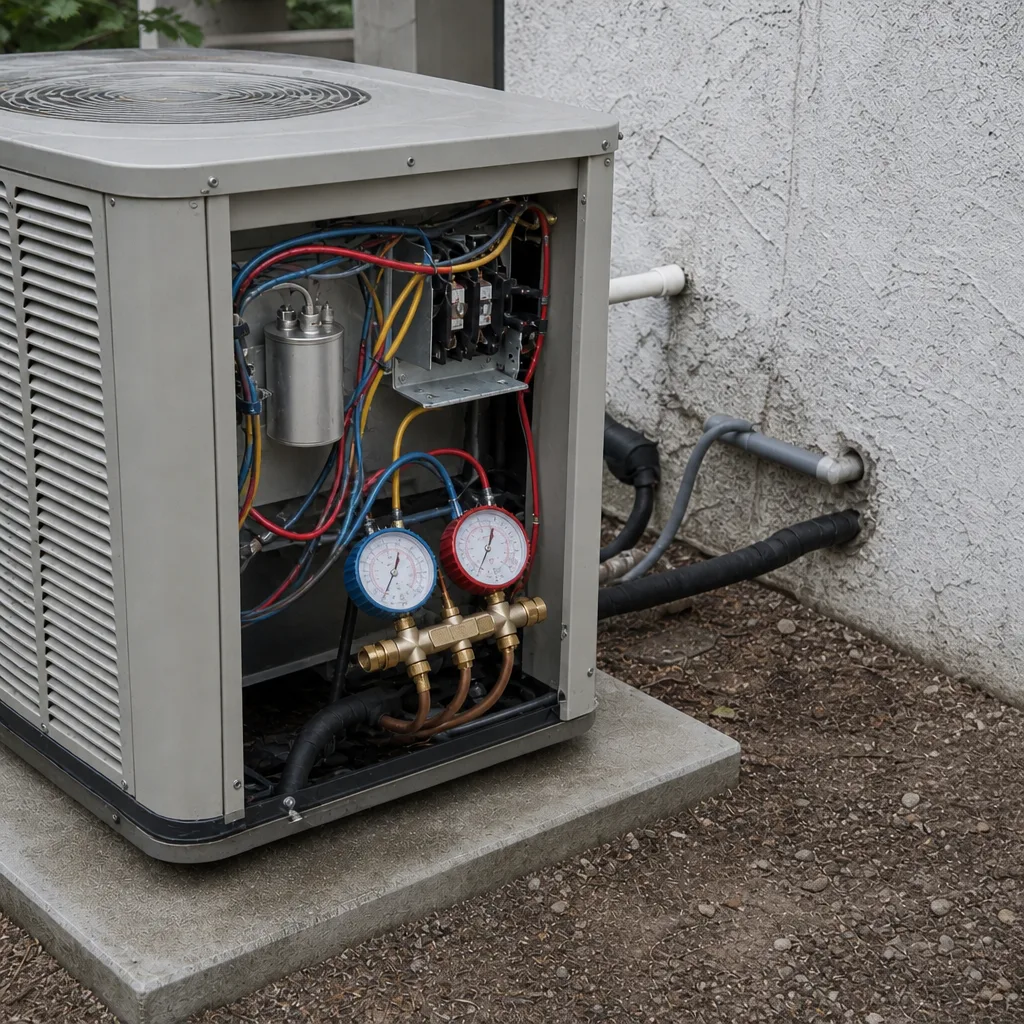
 Before
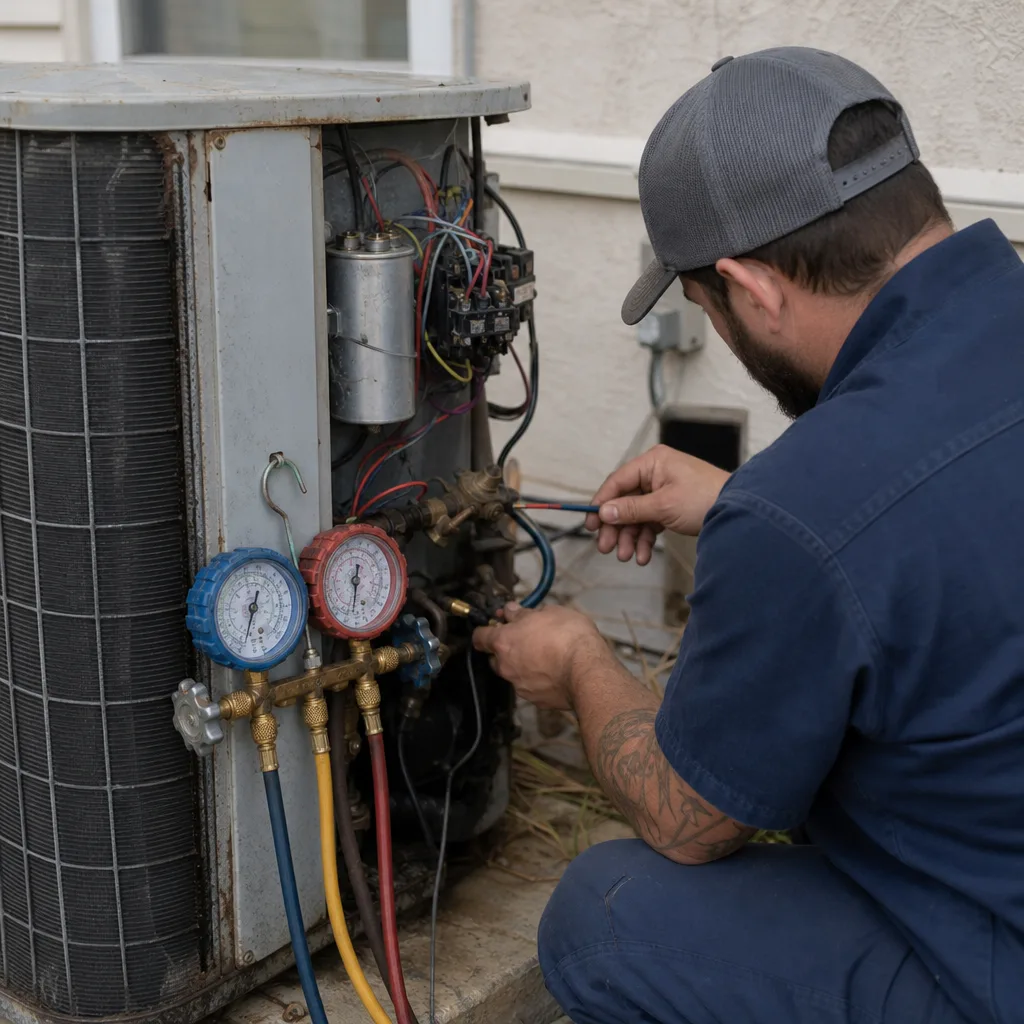
 After
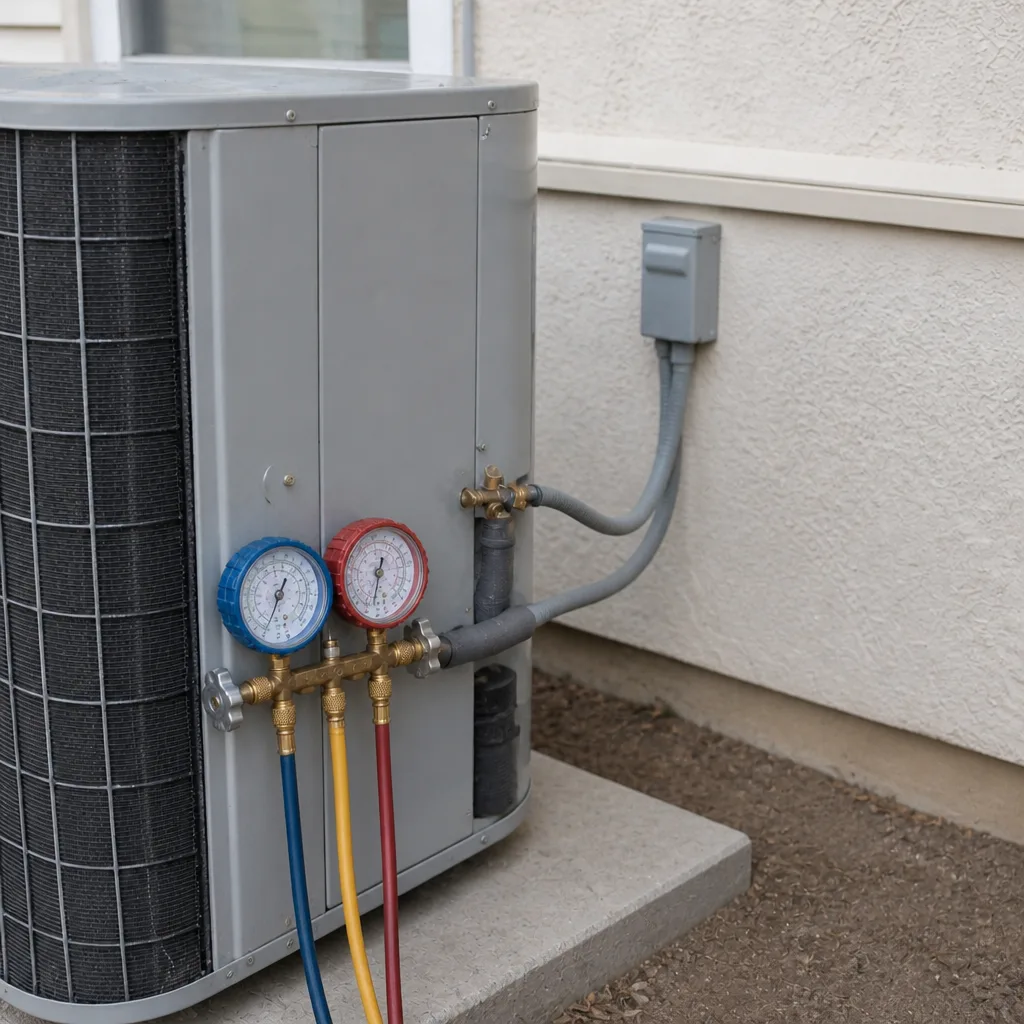
 Before
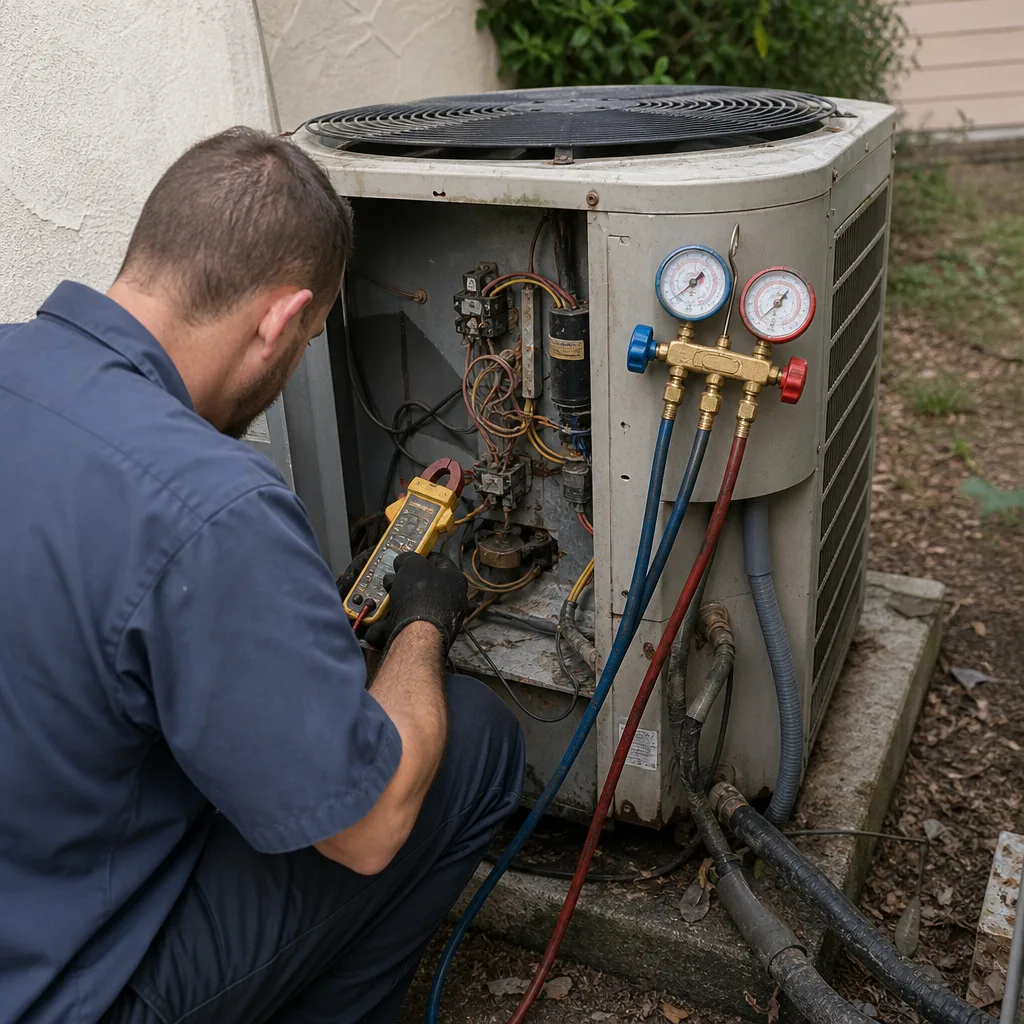
 After
 Before
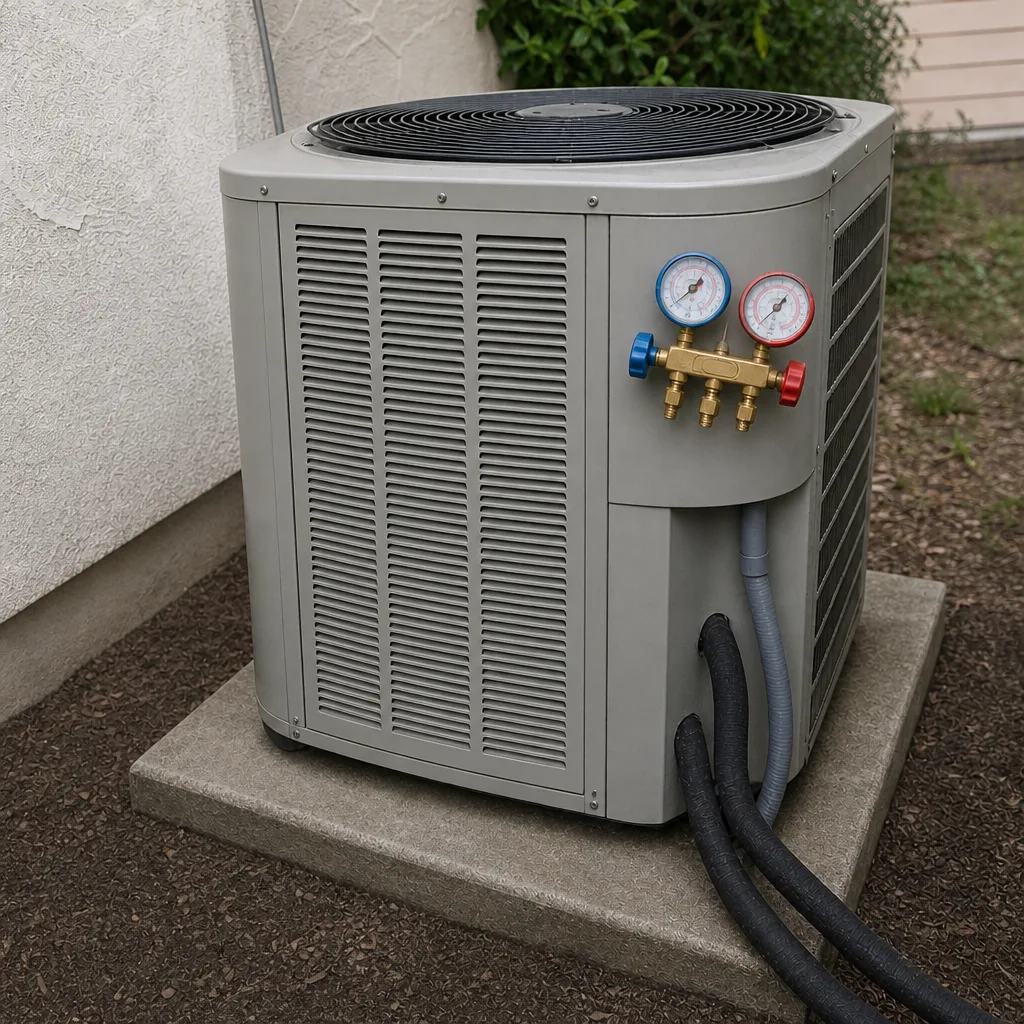 After
When to Call a Professional
Call a licensed HVAC professional when: the system is low on refrigerant or needs any sealed-circuit work; the compressor is involved; the breaker trips repeatedly; you smell gas anywhere near a furnace; the outdoor unit hums and doesn’t start (and you’re not confident with a multimeter); the condensate line is overflowing and you can’t clear it; the thermostat wiring doesn’t match; or you’re weighing repair versus replacement on a system past 12 years old. These are the scenarios where a shortcut costs more than the call. Thrive AC Repair offers free estimates in St. Petersburg. Call (855) 490-0819. We answer 24/7. Fast dispatch from 7am to 7pm, Sunday through Friday. If you’re outside dispatch hours, we’ll book you into the next opening.
Frequently Asked Questions
You can legally perform certain homeowner tasks, including filter replacement, coil cleaning, condensate drain flushing, and low-voltage thermostat swaps that match your existing wiring. You cannot legally perform work on the sealed refrigerant circuit, add or recover refrigerant, or perform gas furnace work without a licensed professional. When a task requires a permit, ask your local building department whether it’s within the homeowner’s scope.
It can, yes. Most manufacturer warranties require installation by a licensed professional and contain clauses about proper installation and maintenance that can be used to deny a claim if the work was outside the warranty terms. The safest guide is whether the task sits on the owner-permissible list or crosses over into licensed work. For anything on the licensed side, professional work is what keeps the warranty intact. Call (855) 490-0819 for a free estimate and ask before you act if you’re unsure.
Plan for monthly filter changes during the cooling season, which in St. Petersburg’s climate runs most of the year. Filters clog faster in this humidity and pollen load than the generic “every three months” advice suggests. If you have pets or a lot of foot traffic, monthly is the minimum. Filter replacement is the cheapest form of protection your system has.
It can be, if you follow proper safety steps and match the part spec exactly. Capacitors hold a charge after power is off, so discharge procedure is mandatory before touching the terminals. And if you’re not fully comfortable with the discharge and the like-for-like replacement, the risk isn’t worth the savings. A free estimate from a licensed technician covers this call in minutes. Call (855) 490-0819.
When the professional is a brand-specialist dealer tied to one manufacturer and your system is a competing brand, the advice you get can be shaped by which brand the dealer is incentivized to sell. A multi-brand company services what you own and can recommend a repair when a repair is what’s warranted. Thrive AC Repair works on nine major brands, including Daikin, Bryant, American Standard, and Carrier, so the recommendation follows your budget and your home, not a dealership agreement.
Yes. The owner tasks in this guide are yours to do, and they’re the highest-value habit you can build. When something crosses the line, or when you’re evaluating replacement, a free estimate in St. Petersburg is available from Thrive AC Repair. Call (855) 490-0819. We answer 24/7. Fast dispatch from 7am to 7pm, Sunday through Friday.
The Bottom Line
The DIY-versus-pro question in St. Petersburg HVAC isn’t about how handy you are; it’s about where the legal and warranty lines sit. Filters, coil cleaning, condensate draining, and thermostat batteries are yours, and they prevent the repair categories that dominate this climate. Anything touching the refrigerant circuit, the compressor, high-voltage components, gas, or a full installation belongs to a licensed professional. Where the line blurs, a free estimate is cheaper than a warranty claim. Choose a professional who works across brands so the recommendation follows your home, not a dealer margin. Call Thrive AC Repair at (855) 490-0819 for a free estimate in St. Petersburg. We answer 24/7. Fast dispatch from 7am to 7pm, Sunday through Friday.
Written by the team at Thrive AC Repair.