
Last updated November 16, 2026
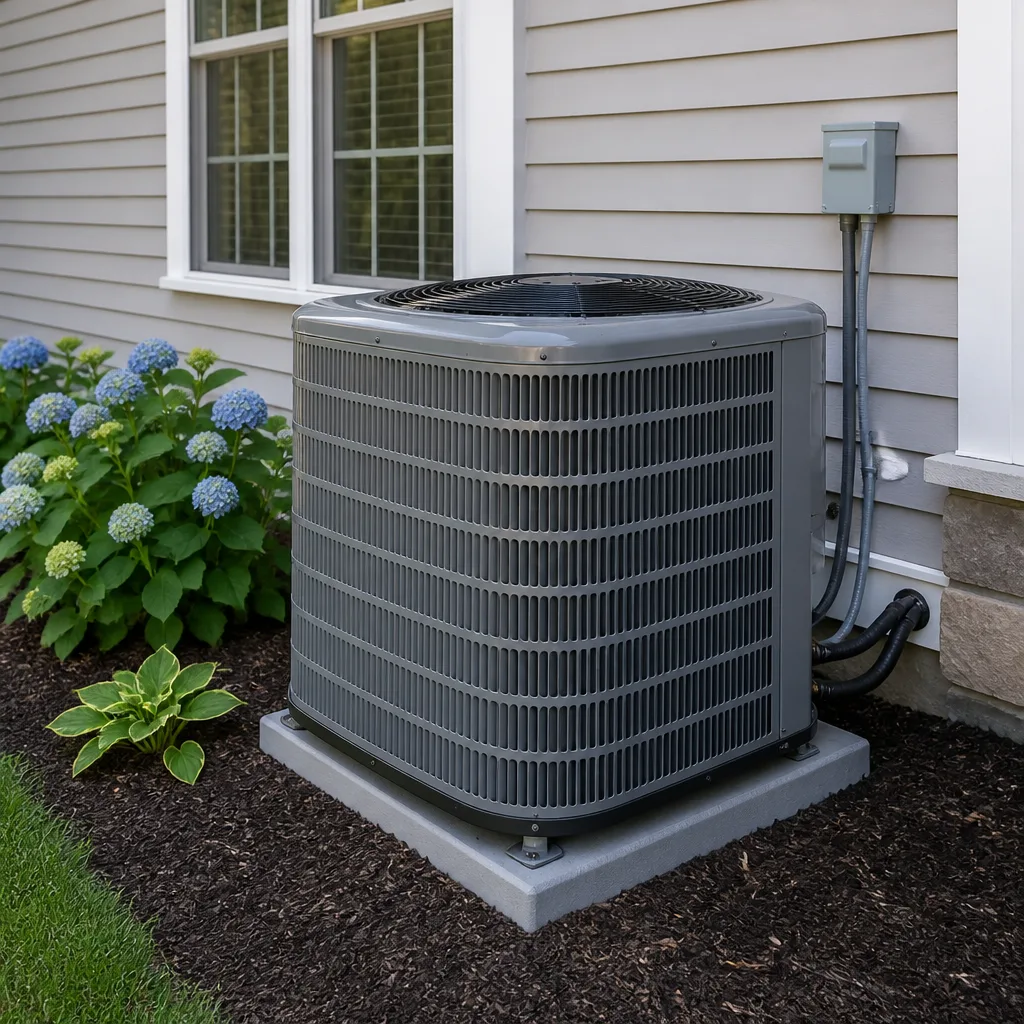 AC repair
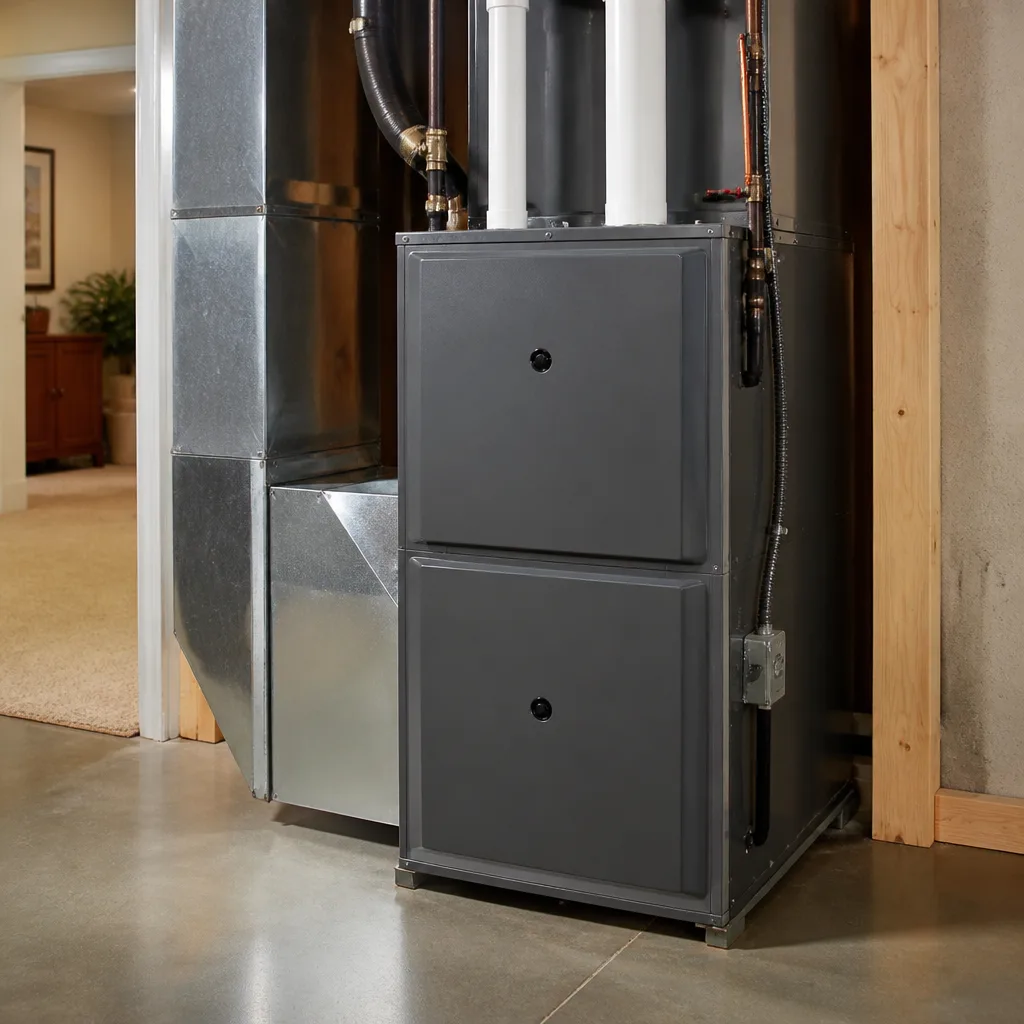 Furnace & heating
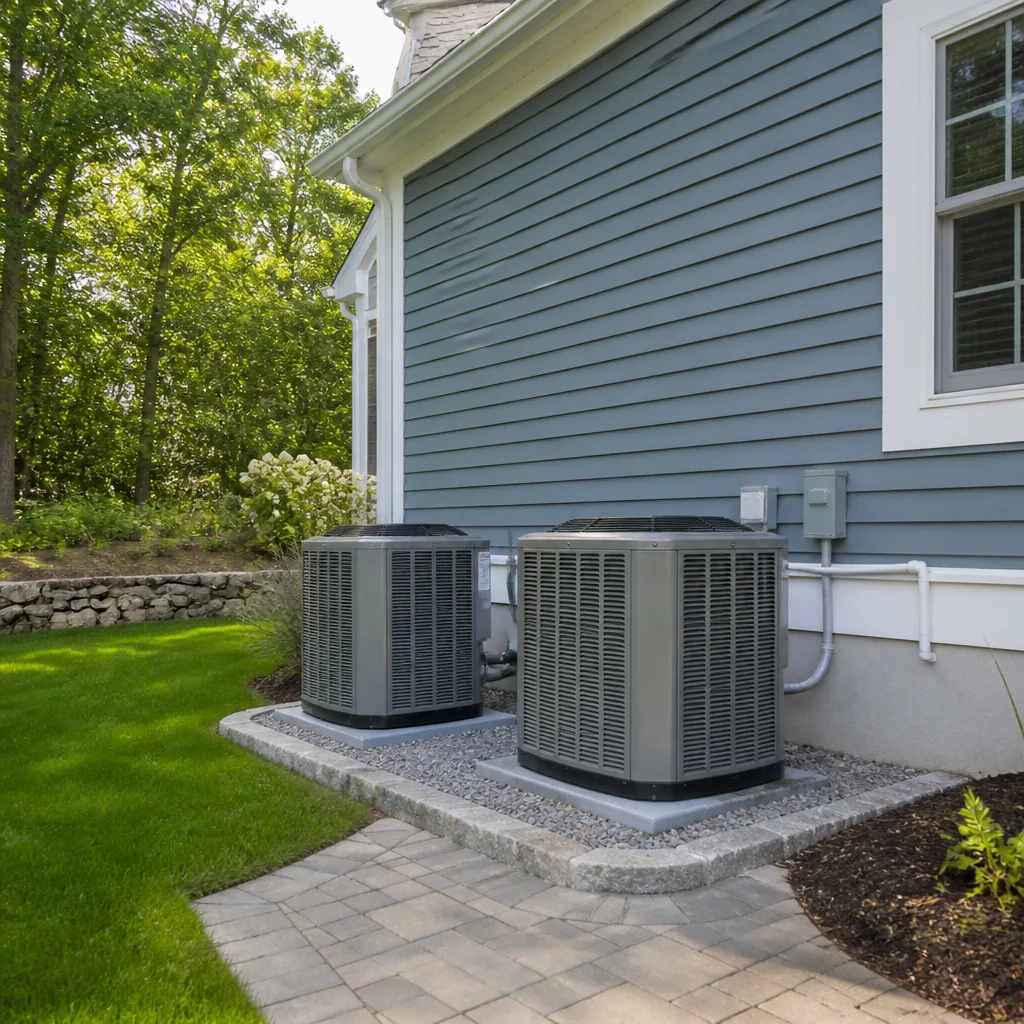 Heat pumps
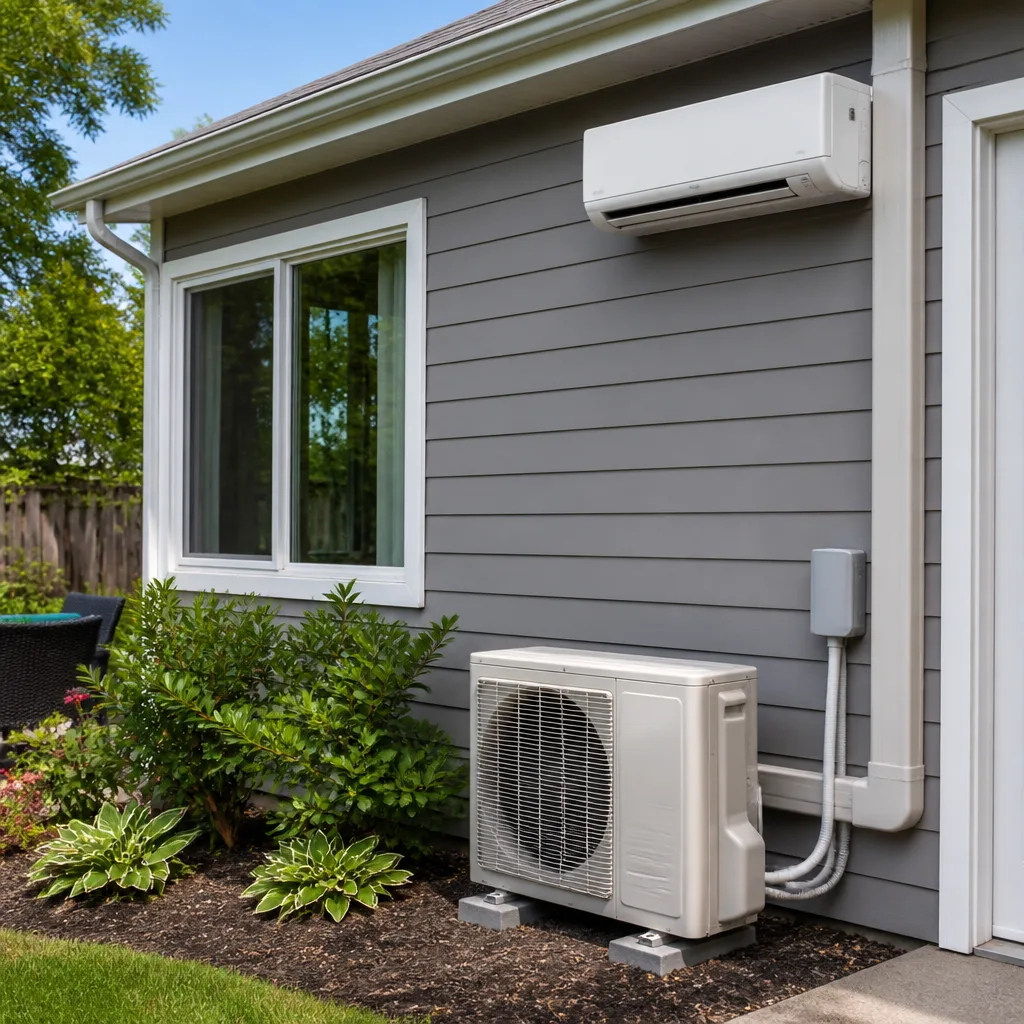 Ductless mini splits
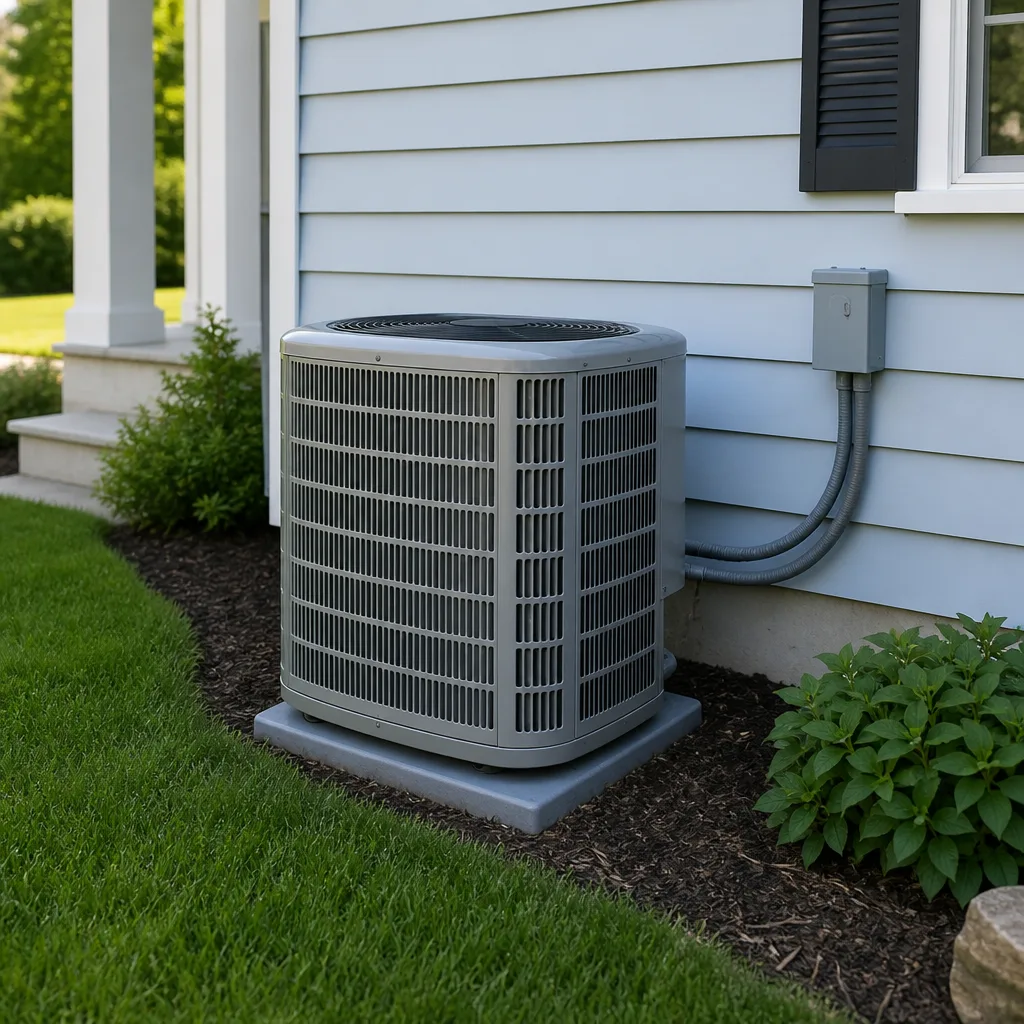 Carrier
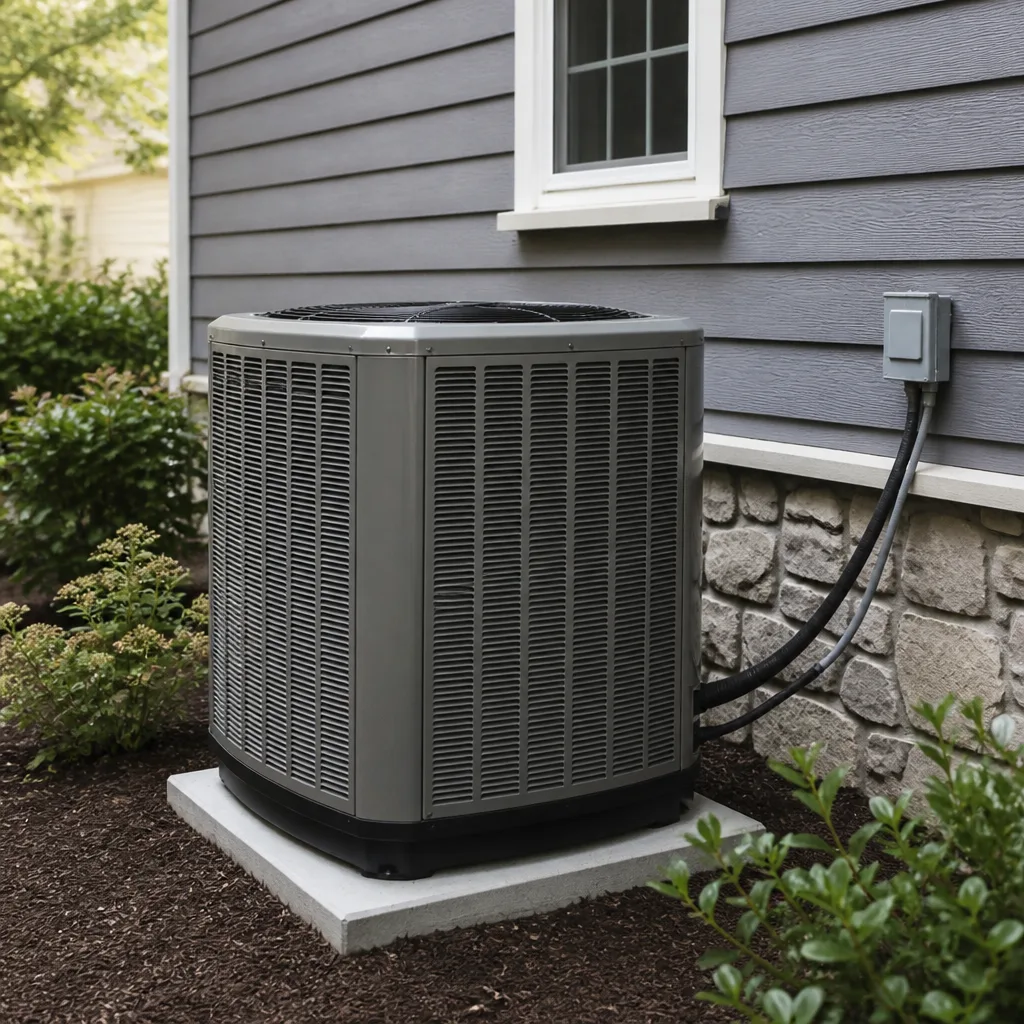 Trane
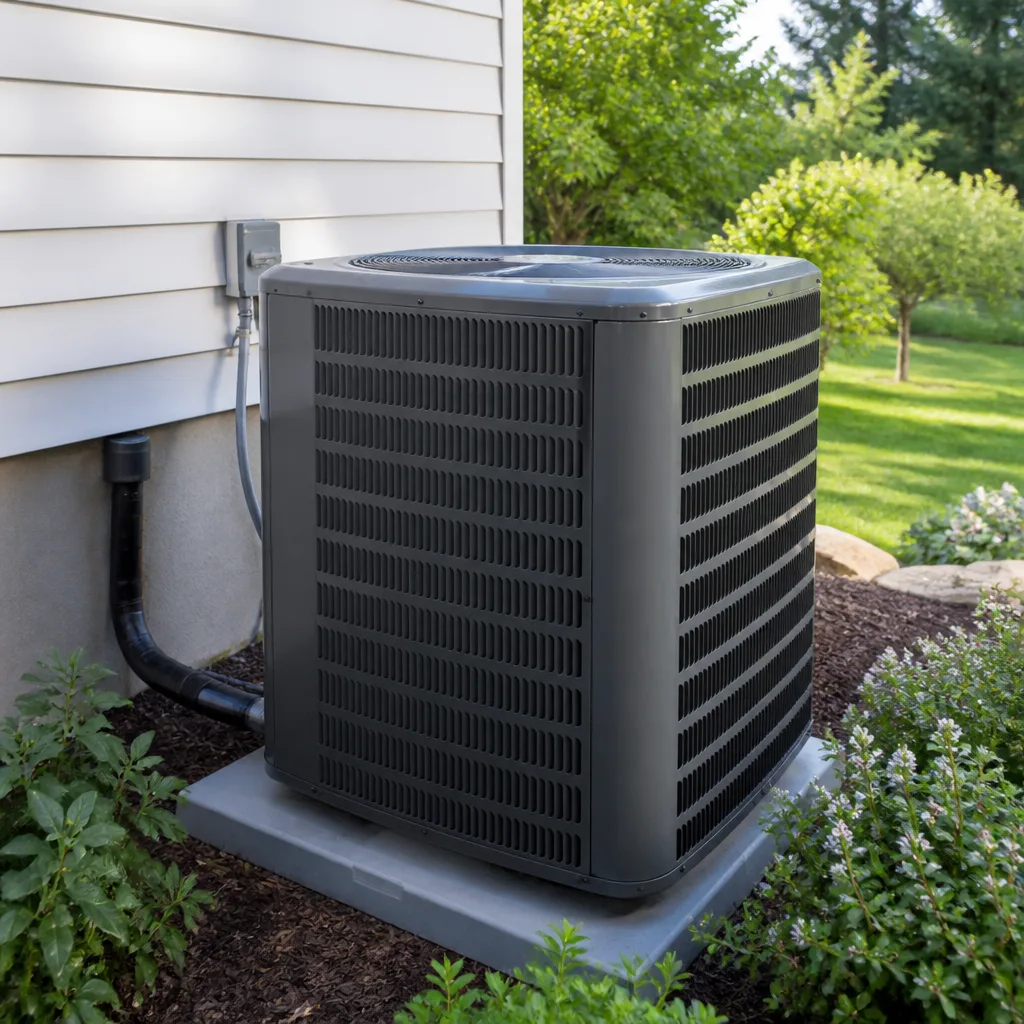 Goodman
Seasonal tune-up and full diagnostic on your Carrier, Trane, or Goodman system - readings shown to you before any repair is proposed
Diagnosis first, numbers second - you approve the repair price before a single part goes in.
Get your free estimateHVAC Emergency Preparedness Guide for St. Petersburg Homes
Most homeowners treat an HVAC emergency like a weather event: something you react to when it arrives. That’s backwards. In St. Petersburg, the system that keeps your home livable during a July heat wave is the same system a summer thunderstorm can take down in minutes, and the difference between a rough afternoon and a genuine health hazard usually comes down to what you did before anything broke. This guide covers the two very different emergencies our technicians see across St. Petersburg and how to prepare for each one: a sudden mechanical failure when the mercury climbs, and storm-related system damage. By the end, you’ll know exactly what to do in the first fifteen minutes, how to protect vulnerable household members while you wait, and how to read a quote under pressure without getting taken advantage of. We’re going to treat this as a plan you build now, not a panic you improvise later.
Quick Answer
When your AC fails in St. Petersburg, your first moves are to check the thermostat and breaker, confirm the air filter isn’t choked, and note whether the outdoor unit is running at all. Call a technician the same day if the house is climbing past the mid-80s inside or anyone in the home is heat-sensitive. Storm damage and a mechanical failure call for different responses: one starts with documentation and a shutdown, the other with diagnosis. Preparing model numbers, refrigerant type, and a service history before anything breaks is the single biggest advantage you can give yourself.
Styles & brands we work with
- AC repair
- Furnace & heating
- Heat pumps
- Ductless mini splits
- Carrier
- Trane
- Goodman
Table of Contents
- The First 15 Minutes After AC Failure
- Two Kinds of HVAC Emergencies in St. Petersburg
- How to Keep the House Safe While You Wait
- Pre-Hurricane HVAC Protocol and the Post-Storm Restart
- What to Document Before an Emergency
- Evaluating Emergency Quotes Under Pressure
- The Annual Preparedness Checklist
- Common Mistakes to Avoid
The First 15 Minutes After AC Failure
The first fifteen minutes after your AC quits are the most valuable ones, because most failures fall into a handful of categories, and a few of them are things you can safely check yourself before anyone arrives. The important skill here is telling the difference between a problem you can safely look at and a problem you should leave alone.
Start with the thermostat. If the display is dark or blank, you’re looking at a power or control issue, not a mechanical one. Confirm it’s set to cool, the fan is on auto, and the batteries aren’t dead. Then find the breaker for the indoor air handler and the outdoor condenser and check whether either has tripped. A tripped breaker that resets and stays on is a completely different situation from one that trips again immediately.
Here’s how to frame the safe-versus-not-safe decision:
- Safe to check yourself: thermostat settings, dead batteries, a tripped breaker, a clogged filter, blocked return vents, a condenser unit that’s visibly off.
- Stop and call a technician: a breaker that won’t stay reset, a burning smell, a buzzing or humming from the outdoor unit, water pooling near the air handler, ice on the refrigerant lines, or the outdoor fan not spinning while the compressor is clearly trying to run.
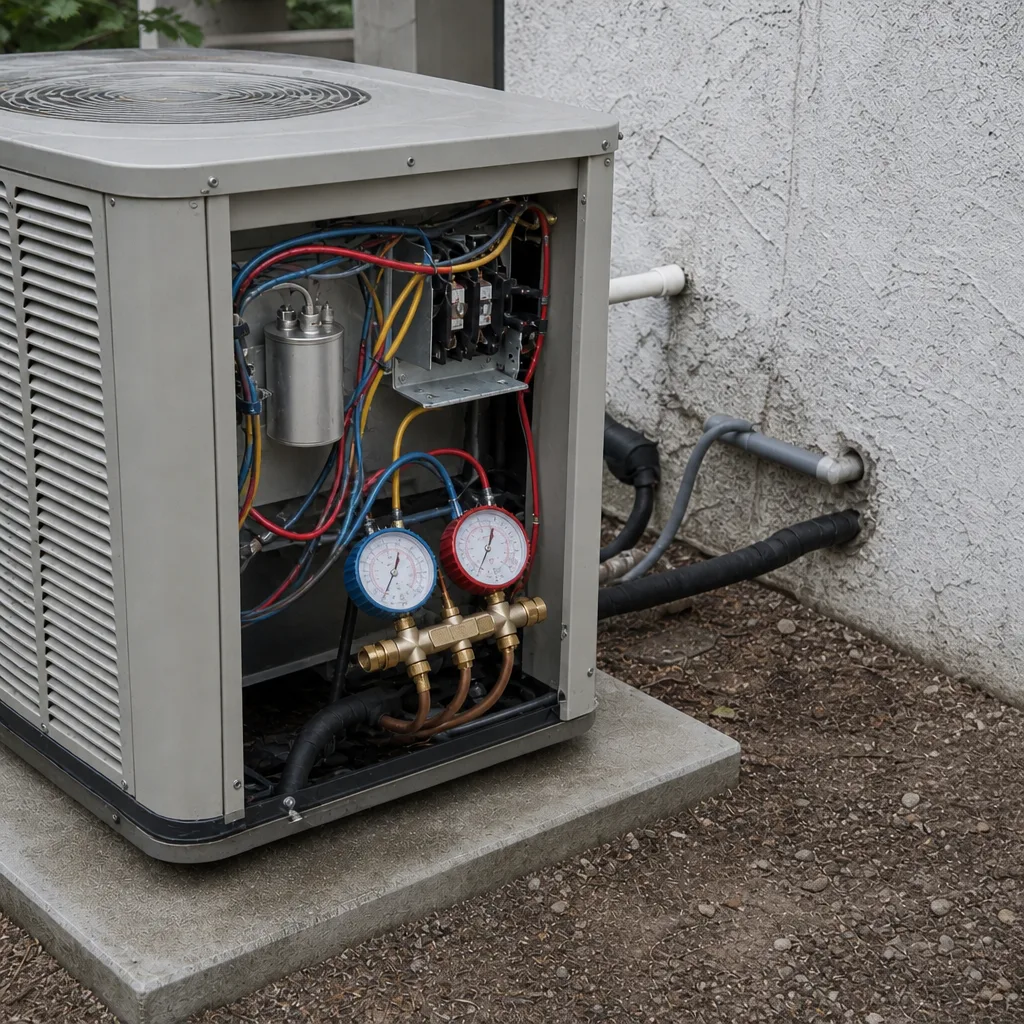
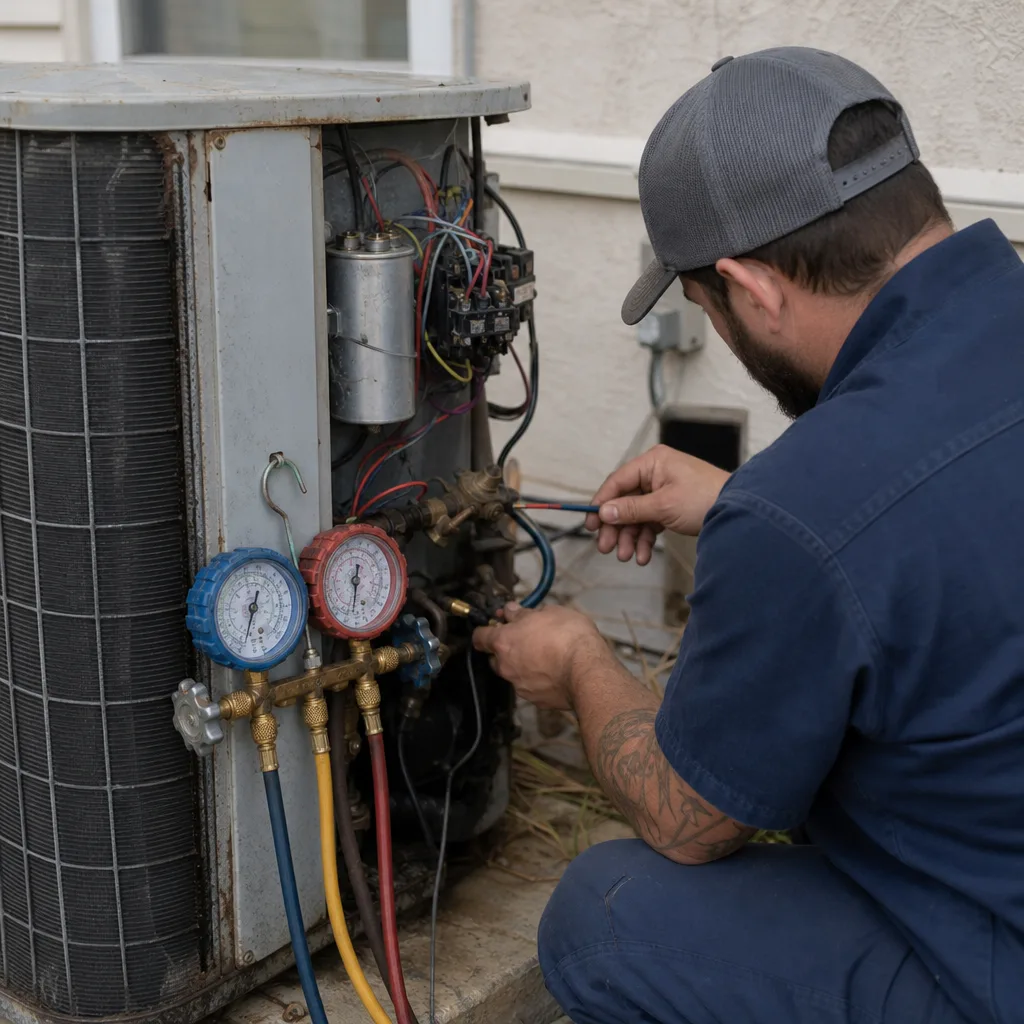
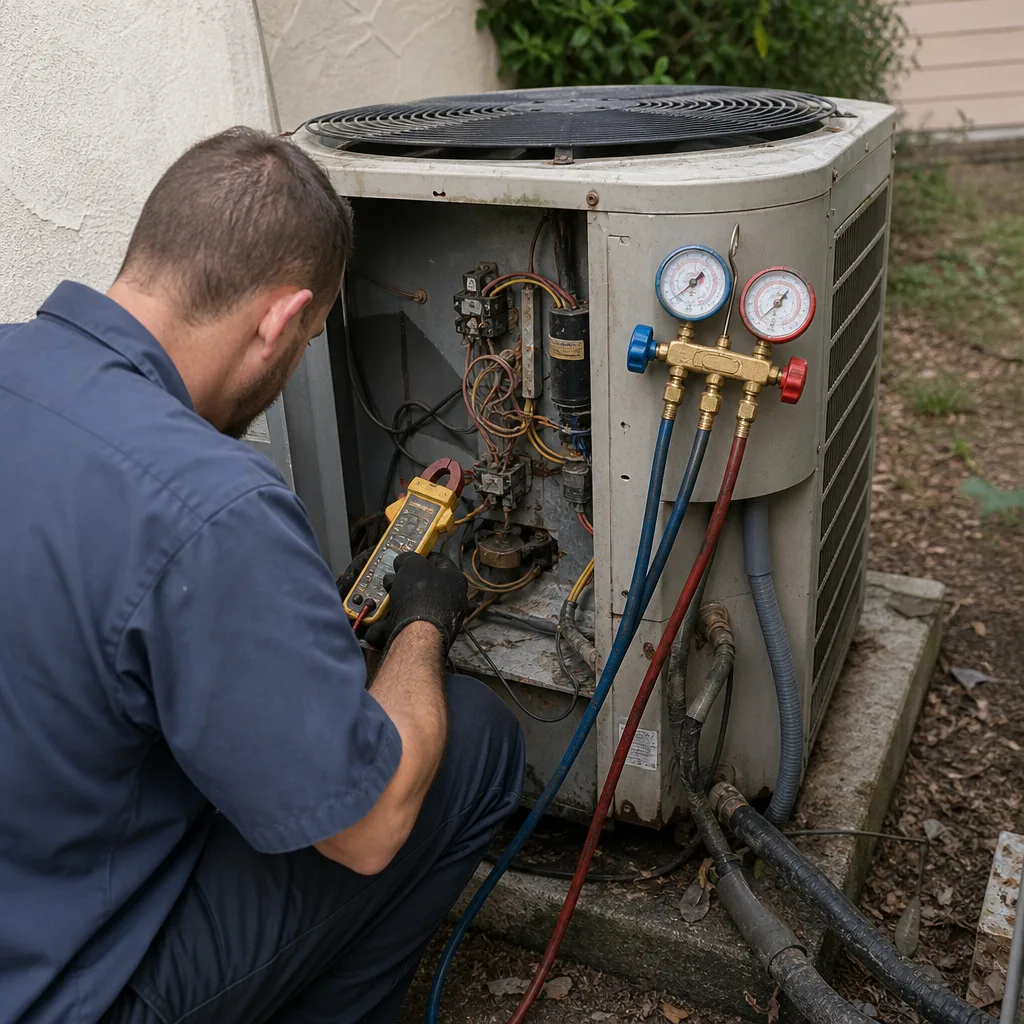
A tripped breaker that immediately trips again, a burning smell, or a unit that hums without starting points to a genuine electrical or compressor problem. Those need a trained technician, not a homeowner with a screwdriver. Refrigerant leaks fall in the same category. Refrigerant is handled under strict federal rules, and you can’t safely diagnose or repair a leak without gauges and training. If you see ice on the refrigerant lines or the system runs but never really cools, that’s a refrigerant issue, and it belongs to a professional. A failed compressor is the worst outcome of the group and usually announces itself with a hard start, a hot outdoor unit, and a system that simply can’t keep up. None of those three are things to troubleshoot alone.
If the situation is urgent and the house is heating up, call (855) 490-0819. We answer 24/7, and fast dispatch from 7am to 7pm gets a technician moving on the same-day calls that matter during a St. Petersburg heat wave.
Two Kinds of HVAC Emergencies in St. Petersburg
It helps to understand that “HVAC emergency” means two different things in St. Petersburg, and confusing them is how people make bad decisions. The first type is mechanical: a system that fails under load during extreme heat, often a compressor, capacitor, or contactor giving out on the hottest day of the year because that’s when the equipment is working hardest. The second type is storm-related: wind, flying debris, flooding, and power surges that damage condensers, knock out controls, and leave a system that has to be carefully restarted rather than simply switched back on.
Mechanical failures tend to build. A capacitor on its way out will make a compressor work harder for a while before it quits. A dirty filter or a low refrigerant charge creates the same slow strain. That means the mechanical kind of emergency is often preventable with basic upkeep, and it’s why a routine tune-up before summer pays for itself in avoided mid-July calls. When a mechanical failure does hit, your response is diagnosis and repair: call, get a technician out, and get the system running.
Storm damage is sudden and often invisible. A condenser can look fine from the street and still have bent fan blades, a flooded control board, or debris packed into the coils. The response here is completely different: document everything, shut the system down if you can do so safely, and don’t restart until a technician has looked it over. Restarting a storm-damaged system is one of the most common ways homeowners turn a repairable problem into a dead compressor. Across St. Petersburg, from Shore Acres to the Old Northeast, this distinction matters, because homes in the same neighborhood can face very different storm exposure depending on tree cover, elevation, and how the equipment is sited. Knowing which kind of emergency you’re in tells you which protocol to run.
How to Keep the House Safe While You Wait
While you wait for service, the goal shifts from “fix the AC” to “keep the people inside safe.” St. Petersburg summers push into the mid-90s with heavy humidity, and a house without cooling can become genuinely dangerous, especially for older adults, young children, and anyone with a chronic health condition. The plan is to lower the indoor temperature as much as you safely can and to concentrate everyone in the coolest part of the home.
Window and door management is the first lever. Keep blinds and curtains closed on the sunny side of the house during the heat of the day to block radiant heat, and open windows only in the early morning and late evening when the outside air is cooler than inside. During the peak afternoon, opening windows to hot, humid outside air actually makes things worse, so keep them shut and covered then.
Fans help more than people expect, but they cool people, not rooms. A fan moving air across your skin makes you feel several degrees cooler, so position fans to blow directly on whoever is in the room rather than trying to cool the whole space. Cross-ventilation using two fans, one pulling air in and one pushing it out, works better than a single fan in a closed room.
Prioritize rooms and people like this:
- Pick one room to be the cool zone, ideally on the lowest floor and away from direct sun, and gather the household there during the hottest hours.
- Move anyone heat-sensitive, including older adults, infants, and anyone with heart or lung conditions, to that room first and check on them often.
- Keep hydrated. Cool water and light meals help the body handle heat far better than heavy food or alcohol.
- Close off unused rooms so the cool zone isn’t fighting the whole house.
- If indoor temperatures climb past the mid-80s and you can’t bring them down, plan to move vulnerable people somewhere with reliable cooling rather than waiting it out.
A dead AC in extreme heat is a health issue, not just a comfort one. If you’re in that situation, call (855) 490-0819. We answer 24/7, and same-day service is available for the calls where heat is a real risk.
Pre-Hurricane HVAC Protocol and the Post-Storm Restart
Storm preparation for your HVAC system comes down to protecting the outdoor equipment before the storm and restarting it correctly after. Both steps are simple, and skipping the second one is how a lot of compressors get destroyed by an otherwise survivable storm.
Before a storm arrives, your priorities are the condenser and the power. The outdoor unit is built to handle weather, but flying debris and standing water are another matter. Here’s the sequence:
- Turn the system off at the thermostat, then at the breaker, before the worst of the weather hits. This protects the compressor from the surge and short-cycling that come with grid instability.
- Clear the area around the condenser of loose objects that could become projectiles: lawn chairs, planters, toys, and anything else the wind can lift.
- If your condenser sits in a spot prone to flooding, consider a protective cover for the top only, never wrapped tightly around the unit, since trapped moisture and heat do their own damage.
- Trim or secure any branches that overhang the unit so they don’t come down on it.
- After the storm passes, don’t flip the system back on immediately. Inspect the outdoor unit first.
The restart sequence is where homeowners get into trouble. Before you restore power, look at the condenser for bent fan blades, debris packed into the coils, standing water around the base, and any visible damage to the wiring or cabinet. If the unit took a hit or sits in water, leave it off and call a technician to inspect it. Restarting a damaged compressor can turn a fixable problem into a full replacement in seconds. If everything looks intact and dry, restore the breaker, then the thermostat, and let it run. Listen for unusual noises and watch for any sign it isn’t cooling properly. If anything seems off, shut it down and call. Our Thrive AC Repair team handles storm-damaged systems alongside everyday repairs, so a single call covers the inspection and the fix.
What to Document Before an Emergency
The single most useful thing you can do before an emergency is to know exactly what equipment you own and have that information ready. When a technician can see the model and serial numbers, the refrigerant type, and the service history up front, the diagnosis goes faster and the quote is more accurate. When they can’t, time gets spent on discovery instead of repair.
Gather these details for both your indoor and outdoor units:
- Model number and serial number for the air handler and the condenser, usually on a metal data plate on the unit or inside the access panel.
- Refrigerant type, printed on the same data plate. This matters because older systems use refrigerants that are being phased out, and knowing what you have affects both service and replacement decisions.
- Brand and approximate installation date, so you know how old the system is and roughly where it sits in its expected lifespan.
- Service history, including tune-ups, repairs, and any parts replaced, so nobody is guessing about what’s been done.
- A photo of each data plate taken with your phone, which is faster and more reliable than copying numbers by hand.
The storage question matters as much as the information itself: put it where you’ll actually find it during a stressful moment. A shared digital note or cloud folder that every adult in the household can access works well. The same folder is the right home for your homeowner’s insurance details and any receipts for past HVAC work. When you work with our team, we service systems from nine major manufacturers, including Carrier, Daikin, and American Standard, so whether your unit is one of those or another brand entirely, having the plate photographed means we’re not starting from zero. Good records also make a real difference when you’re weighing a repair against a replacement, and they’re the foundation of any honest conversation about furnace repair in the cooler months too.
Evaluating Emergency Quotes Under Pressure
An HVAC emergency is a seller’s market, and that’s exactly when unclear pricing hurts homeowners most. A legitimate quote is specific, transparent, and tied to a written estimate with the price set per job. When someone is under pressure to decide fast, three questions separate fair pricing from opportunistic pricing.
Question one: what exactly are you fixing, and how do you know? A real diagnosis comes with a description of the failed part, how it was tested, and why it failed. “Your compressor is shot” without a clear explanation of how that was determined deserves a second opinion. Ask them to show you.
Question two: is the price for the diagnosis and repair separate, and is the estimate in writing? The estimate should break out parts and labor for the specific job, in writing, with the final price set by what’s on the page. Anything vague about what’s included is a reason to slow down. We don’t charge for the estimate, and we write it down so you can compare it against another quote.
Question three: are you recommending the fix that’s right for my system, or the one that’s easiest to sell? This is where brand-locked dealers struggle, because their incentive points toward a new unit or a specific manufacturer. Because our technicians work across multiple manufacturer platforms and aren’t tied to one brand’s dealership, the recommendation is based on your home and your budget, not on which system pays the best margin.
Under pressure, resist the urge to say yes to the first number you hear just to make the heat stop. A written estimate is your protection, whether the fix is a $200 repair or a larger job. The right question is never “who can come fastest” alone. It’s “who’s going to tell me the truth about what my system needs.” For St. Petersburg homeowners, having that St. Petersburg context in mind, along with a prepared service history, turns a stressful call into an informed one.
The Annual Preparedness Checklist
Preparedness is a habit, not a single event, and the best time to run through it is before the summer heat arrives and before hurricane season builds. Working through this list once a year takes an afternoon and spares you the scramble when something fails.
- Schedule a pre-season tune-up. A technician checks refrigerant charge, capacitors, contactors, and airflow before the system faces its heaviest load.
- Replace the air filter and note the size. Keep a spare on hand so a clogged filter never becomes an emergency. During the cooling season, check it monthly.
- Photograph both data plates. Get the model and serial numbers for the indoor and outdoor units, plus the refrigerant type, into your digital folder.
- Update your service history. Add any repairs or parts from the past year so the record stays current.
- Test the breaker and thermostat. Know where they are and confirm they reset cleanly. Teach every adult in the home.
- Inspect the outdoor unit’s surroundings. Clear debris, trim back overhanging branches, and confirm there’s airflow around the condenser.
- Build storm readiness. Before a storm, know the shutdown sequence and confirm the unit is clear of loose objects that could become projectiles.
- Write down the service number. Keep (855) 490-0819 somewhere the whole household can find it. We answer 24/7.
Run the checklist in the spring if you can, before the first real heat wave tests the system. If you end up needing a new system rather than a repair, plan for AC installation rather than a same-day scramble, since a proper install involves load calculations and a scheduled date, not a rushed swap.
Common Mistakes to Avoid
- Restarting a storm-damaged system without an inspection. Flipping the breaker back on before checking the condenser for debris, water, or bent blades is the fastest way to kill a compressor. Inspect first, always.
- Troubleshooting a compressor or refrigerant problem yourself. Electrical faults and refrigerant handling are both jobs for trained technicians. A homeowner with the wrong diagnosis can cause real damage or injury.
- Ignoring the air filter until something breaks. A clogged filter strains the blower and reduces cooling, and during a St. Petersburg summer it’s the easiest preventable cause of an emergency call.
- Not knowing your model and serial numbers. Without them, every service call spends time on discovery, and quotes get vague. Photograph the data plates before you need them.
- Accepting the first quote just because someone came fast. Speed is good, but a written estimate with a clear diagnosis is what actually protects you. Ask to see the failed part and get the price in writing.
- Waiting until the house is unbearable to call. Heat is a health risk. If vulnerable household members are at home and the temperature is climbing, call early rather than hoping it cools off.
- Assuming a repair is always cheaper than a replacement, or that a new unit is always the answer. The right call depends on the age and condition of your system, and an honest technician will tell you either way.
See the difference
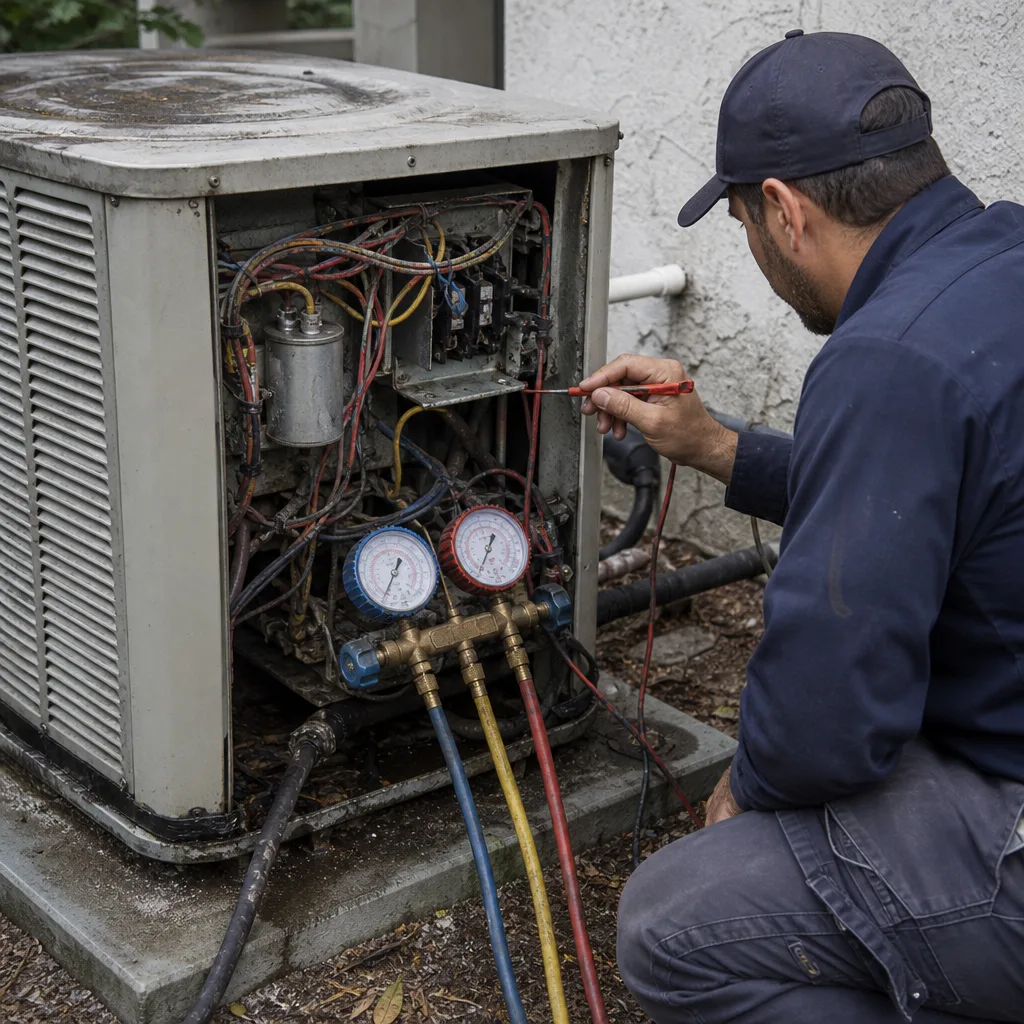 Before
 After
 Before
 After
 Before
 After
When to Call a Professional
Some problems clear up with a reset or a new filter. Others don’t, and pushing them further does real damage. Call a technician if
your breaker keeps tripping, if you smell burning or notice a humming outdoor unit, if there’s ice on the refrigerant lines or water pooling around the air handler, if the system runs but never gets cold, or if the house is heating up and anyone inside is heat-sensitive. Storm-damaged equipment always warrants an inspection before restart, and any compressor that’s struggling under load needs a professional diagnosis. Thrive AC Repair offers free estimates in St. Petersburg. Call (855) 490-0819. We answer 24/7, with fast dispatch from 7am to 7pm, Sunday through Friday.
Frequently Asked Questions
Check the thermostat, breaker, and air filter before anything else. If the thermostat is dead, a breaker keeps tripping, or you smell burning or hear humming, stop and call a technician. Call (855) 490-0819 for an exact quote. Estimates are free, and we answer 24/7.
It can be, especially for older adults, infants, and anyone with heart or lung conditions. St. Petersburg summer heat and humidity push a house into the mid-80s fast. If vulnerable people are home and the temperature is climbing, call early. We answer 24/7, and same-day service is available for heat-risk calls.
Only if you’ve inspected the outdoor unit and found no debris, standing water, bent blades, or visible damage. If anything looks off, leave it off and call for an inspection. Restarting damaged equipment is how a repairable problem becomes a full replacement. Call (855) 490-0819 for an exact quote. Estimates are free.
The price depends on the failed part and the diagnosis, and the final price is set by a written estimate. We don’t quote a fixed emergency rate, because the honest answer is “it depends on what’s broken.” Call (855) 490-0819 for an exact quote. Estimates are free.
Your model and serial numbers, refrigerant type, and recent service history. A photo of the data plate on each unit is the fastest way to get it to us. If you don’t have it, the technician will find it on arrival, but having it ready speeds up diagnosis and tightens the quote.
Yes, a pre-season tune-up is the best way to avoid a mid-July emergency. It catches failing capacitors, low refrigerant, and airflow problems before the system faces its heaviest load. If you end up needing a replacement instead of a repair, we handle full AC installation at a scheduled date rather than a rushed same-day job.
The Bottom Line
HVAC emergencies in St. Petersburg come in two flavors, and preparing for both is a lot easier than reacting to either. A mechanical failure during a heat wave calls for quick diagnosis, careful checks of the safe-to-touch items, and a call early enough to keep vulnerable people safe. A storm event calls for shutdown, inspection, and a disciplined restart that spares your compressor. Behind both sits the same foundation: know your equipment, keep your records current, and read every quote in writing. A 95°F day with a broken AC is the wrong time to start figuring out your options. Build the plan now. When the moment comes, you’ll be the one who isn’t scrambling.
Call Thrive AC Repair at (855) 490-0819 for a free estimate. We work on your system, not just the brands we sell, so whether it’s a Carrier, a Daikin, or anything in between, we know it. We answer 24/7, with fast dispatch from 7am to 7pm, Sunday through Friday.
Written by the team at Thrive AC Repair.