
Last updated November 16, 2026
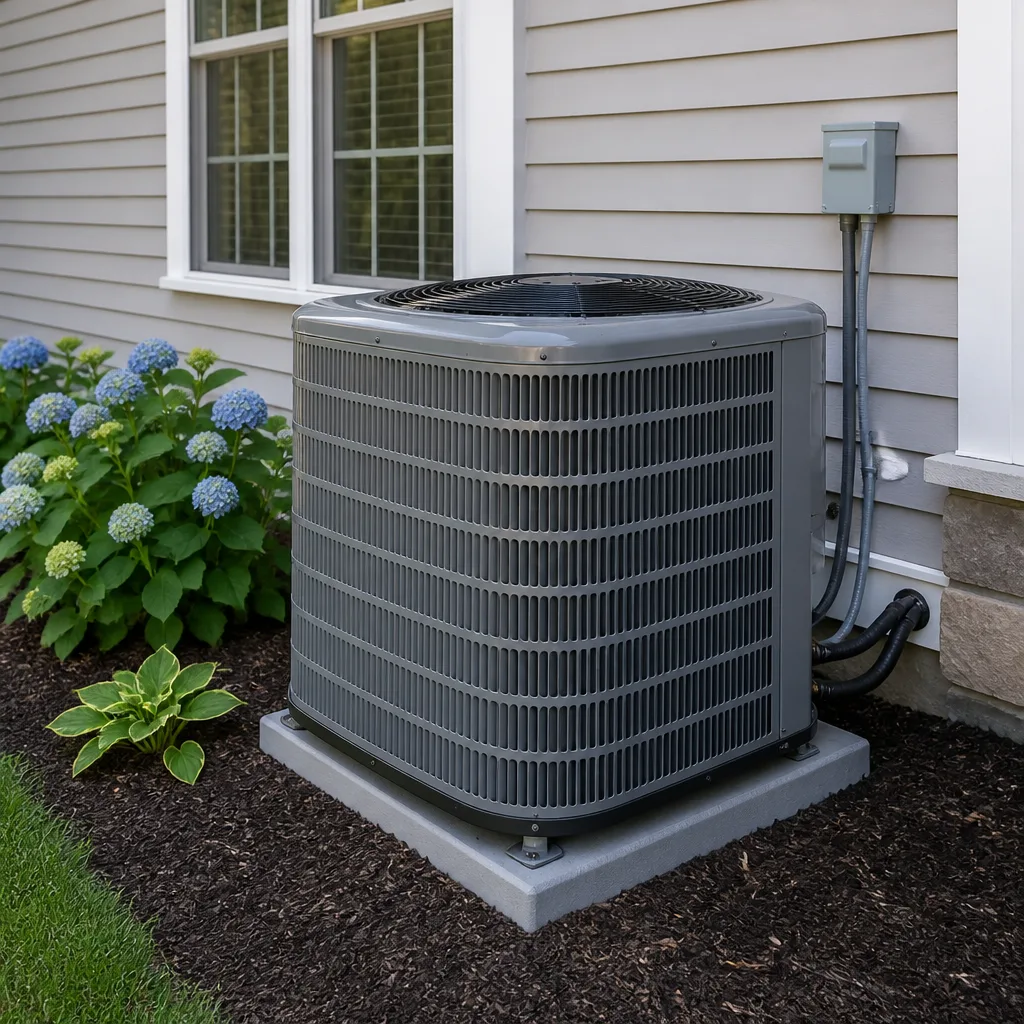 AC repair
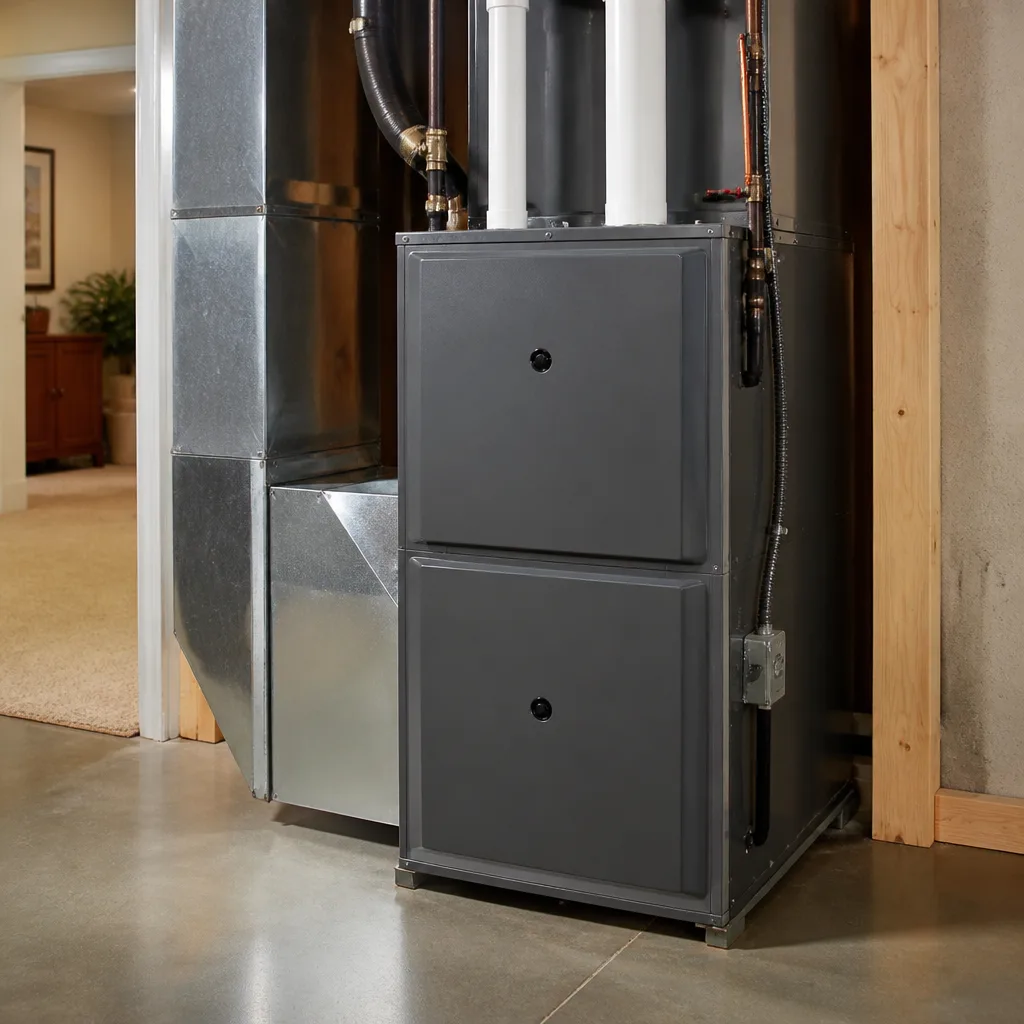 Furnace & heating
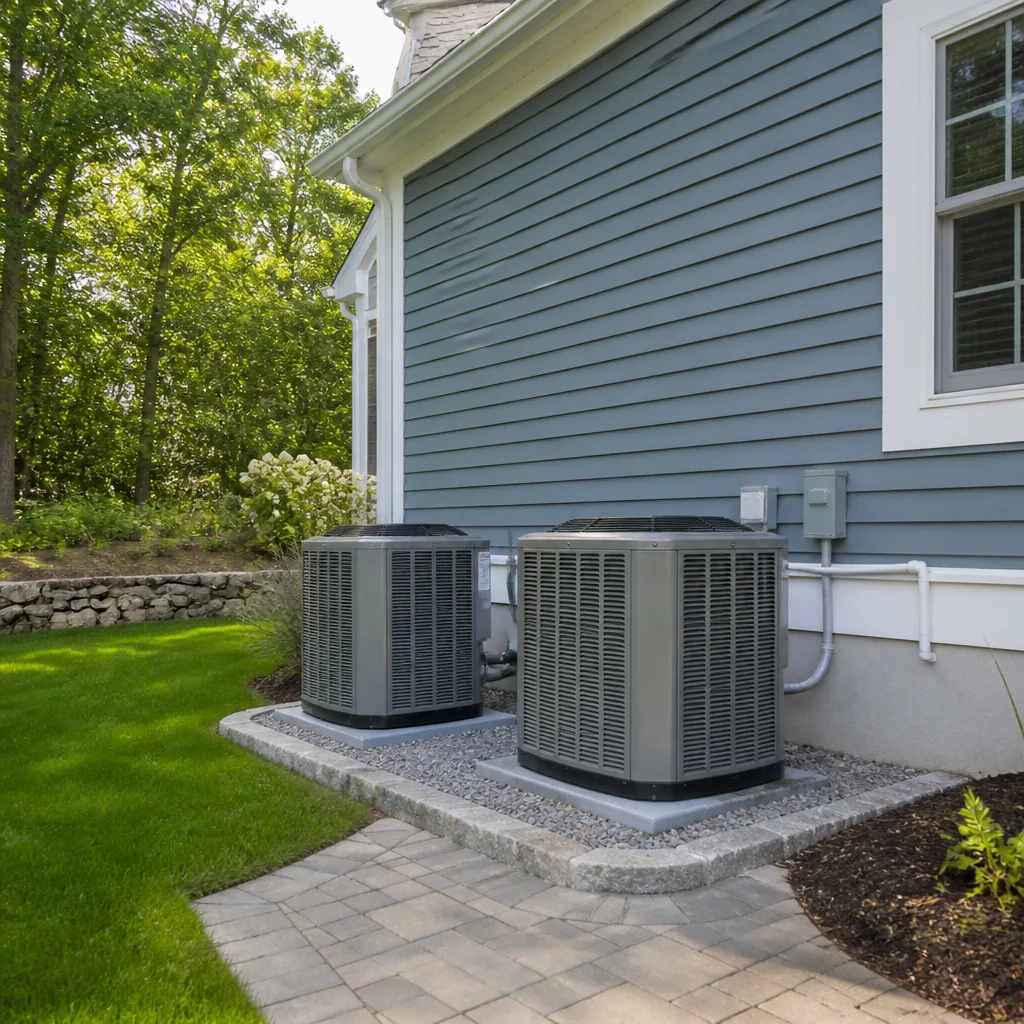 Heat pumps
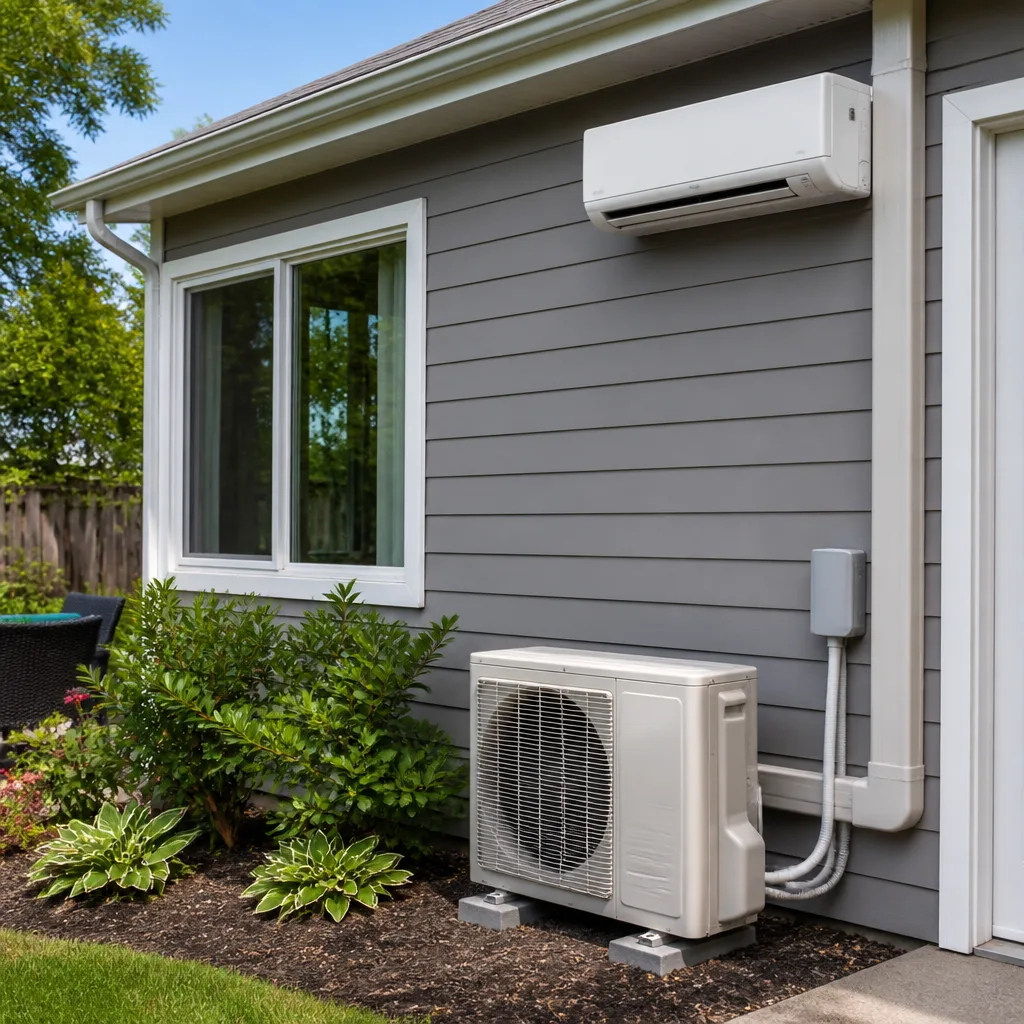 Ductless mini splits
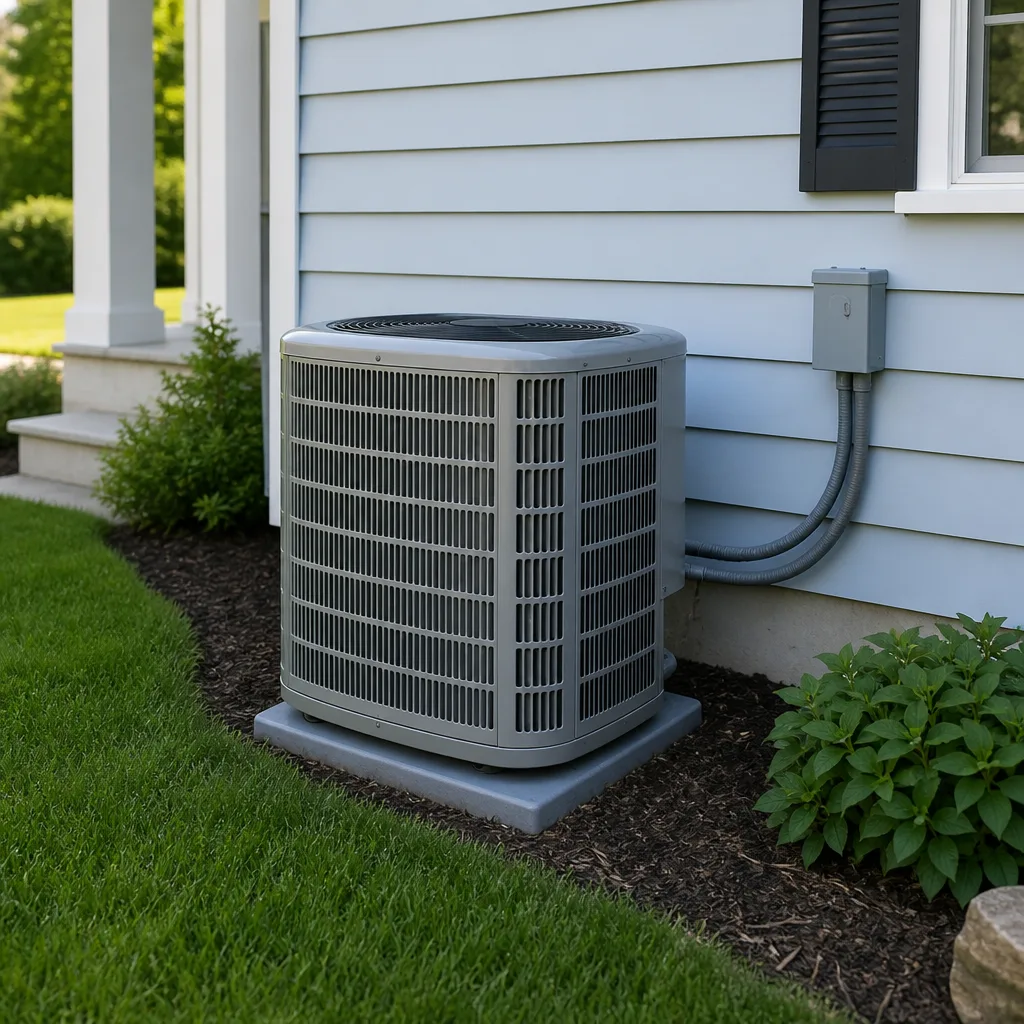 Carrier
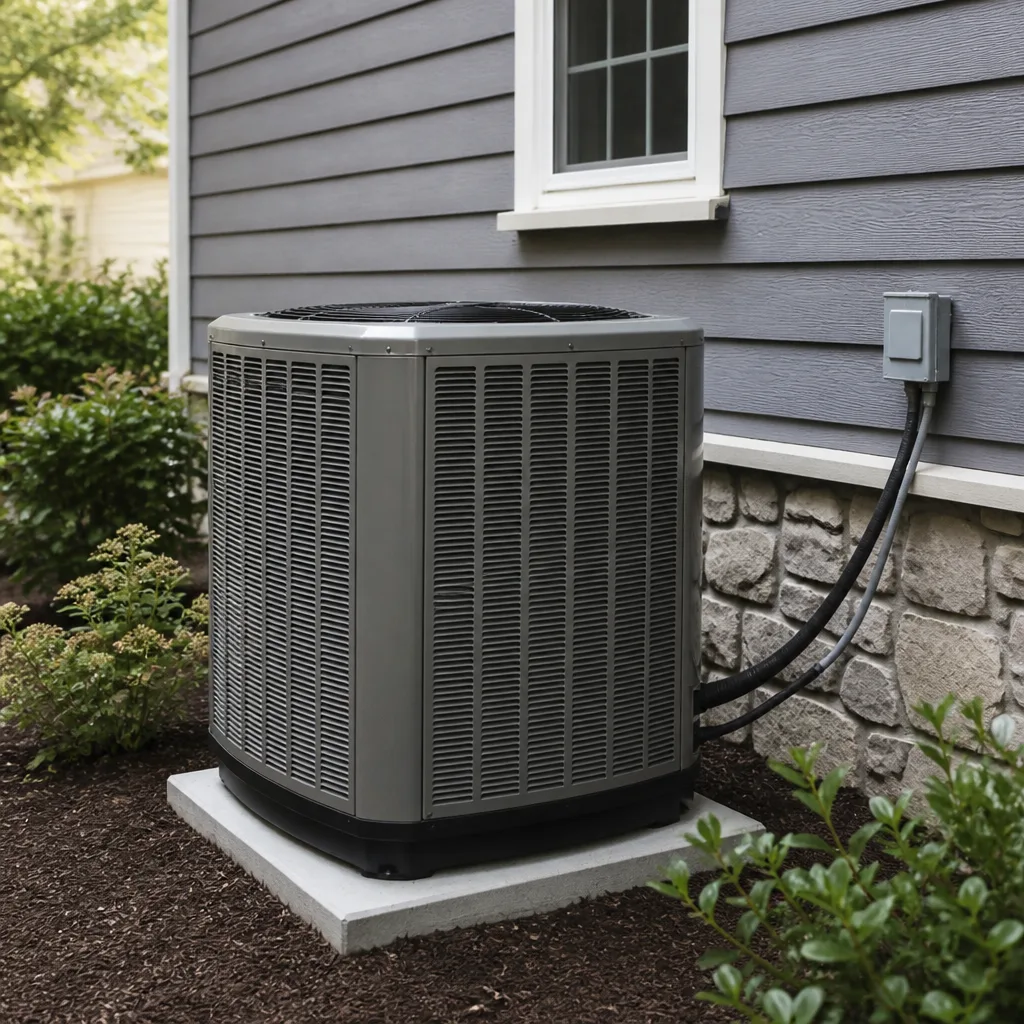 Trane
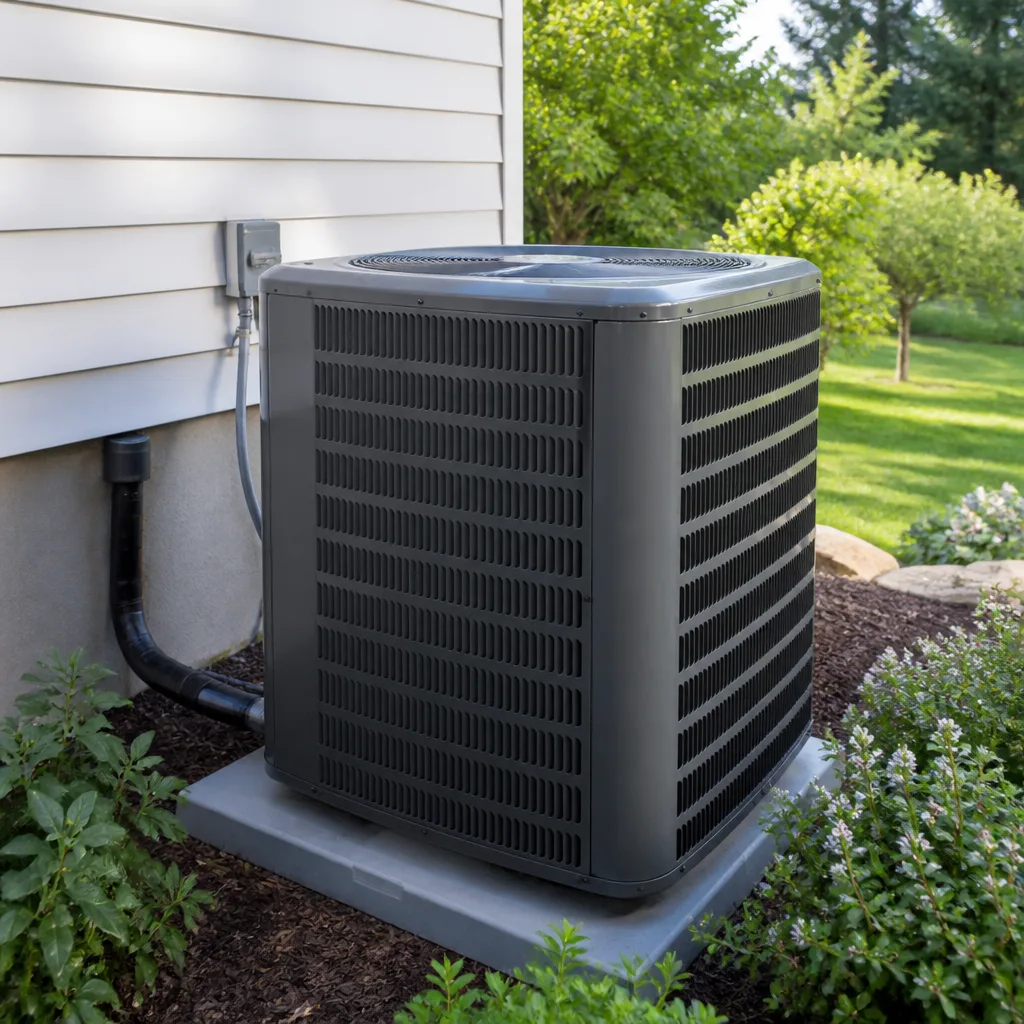 Goodman
Seasonal tune-up and full diagnostic on your Carrier, Trane, or Goodman system - readings shown to you before any repair is proposed
Diagnosis first, numbers second - you approve the repair price before a single part goes in.
Get your free estimateHVAC Warning Signs: A St. Petersburg Homeowner’s Reference Guide
The most expensive HVAC repair is usually the one you didn’t see coming. That sounds backwards – surely the emergency fan failure or the compressor burnout is the costly one. But in our experience, the quiet, slow symptoms cause the real damage: a small refrigerant leak that starves a compressor over a summer, a dirty coil that makes the system run longer and hotter until a part gives out. A St. Petersburg homeowner who knows what each symptom means mechanically can tell the difference between a cheap fix and a dying system – and can ask the right questions before anyone quotes a replacement. This guide decodes the warnings your system gives you.
Quick Answer
The main HVAC warning signs in St. Petersburg are short-cycling, rising humidity indoors, ice on the refrigerant line, unusual noises, weak airflow, and climbing energy bills with no change in usage. Each one points to a specific mechanical cause – some cheap, some serious – and the goal is to match the symptom to the likely cause before you call anyone, so you can triage intelligently and avoid paying for a replacement when a repair is the smarter move.
Styles & brands we work with
- AC repair
- Furnace & heating
- Heat pumps
- Ductless mini splits
- Carrier
- Trane
- Goodman
Table of Contents
- Short-Cycling: The Symptom That Fools Homeowners Most
- High Indoor Humidity: What It Actually Signals in St. Pete Homes
- Ice on the Refrigerant Line: Why It Means the System Is Too Warm
- Unusual Sounds Mapped to Components
- Reading Your Thermostat’s Runtime Data
- Weak Airflow and Warm Vents
- Typical Repair Costs in St. Petersburg
- Common Mistakes to Avoid
Short-Cycling: The Symptom That Fools Homeowners Most
Short-cycling means the system turns on and off more often than it should – often every few minutes instead of running in longer, efficient cycles. The house may still feel cool enough, which is exactly why homeowners ignore it. But frequent starts put stress on the compressor and the electrical components every single time. Over a St. Petersburg summer, that wear adds up.
Here are the five most common causes, ranked from least to most expensive to repair, so you know what to ask a technician to check first:
- Dirty air filter or blocked return. Restricted airflow makes the system overheat and trip its safety switch. A filter change is the cheapest possible fix and the first thing to rule out.
- Failing capacitor. The start capacitor gives the compressor and fan motor their initial jolt. When it weakens, the system struggles to start and shuts down. A capacitor replacement is a modest repair and one of the most common we see.
- Thermostat or control issue. A miscalibrated or failing thermostat can send bad signals, causing short cycles. Sometimes the fix is a thermostat, not the system.
- Oversized equipment. A system that’s too large for the home cools the air fast but shuts off before it removes humidity. This is an installation and sizing problem, and it’s more common than people realize.
- Low refrigerant or a failing compressor. A refrigerant charge issue or a compressor on its way out is the most serious and costly scenario. This is where a technician’s diagnosis matters most.
If your system is short-cycling, our advice is simple: before you accept any replacement quote, ask what the actual cause is. Throwing equipment at a capacitor problem wastes money. If it turns out you do need a new system, that’s a conversation we’re glad to have honestly – see our AC installation page for how we size and quote that work.
High Indoor Humidity: What It Actually Signals in St. Pete Homes
An air conditioner does two jobs: it cools the air and it removes moisture. If your St. Petersburg home feels clammy, sticky, or never quite comfortable even with the thermostat set low, the humidity is telling you something specific. There are three main causes, and they call for different responses.
1. Oversized equipment
A system that’s too big for the house blasts cold air and satisfies the thermostat quickly, then shuts off. It never runs long enough to pull moisture out of the air. The house feels cold and damp at the same time. If your system was replaced with the same tonnage as the old one without a proper load calculation, this is a real possibility. Proper sizing is why we take the time to do it right – a swapped-in box of the wrong size just recreates the problem.
2. A failed or missing dehumidifier
Some homes have a dedicated dehumidifier or a system with enhanced dehumidification. If that component fails, the AC alone may not keep up with St. Pete’s humid air. A technician can test whether the dehumidification function is operating.
3. A refrigerant or airflow issue
If the system is low on refrigerant or airflow is restricted, the evaporator coil gets too cold, frosts, and stops removing moisture properly. Humidity climbs as a side effect of a cooling problem. This one needs a technician to diagnose, because the humidity is a symptom of something else.
How to tell them apart: if the house is cool but damp and the system cycles frequently, suspect oversizing. If it’s damp and the system runs constantly or ice appears, suspect refrigerant or airflow. When in doubt, call us at (855) 490-0819 – a humidity complaint is worth a real diagnosis, not a guess.
Ice on the Refrigerant Line: Why It Means the System Is Too Warm
This is the counterintuitive one. Ice on the refrigerant line or the indoor coil doesn’t mean the system is too cold – it means the system is struggling to absorb heat. When refrigerant is low, or airflow is restricted by a dirty filter or blocked coil, the coil temperature drops below freezing and condensation freezes on it. The ice is a symptom of a starved or overheated system, not a cold one.
What to do in the next 30 minutes:
- Turn the system off at the thermostat. Running a frozen system can damage the compressor. Shut it down, don’t just turn the temperature up.
- Don’t chip or scrape the ice. You can damage the coil and the refrigerant lines. Let it thaw on its own.
- Check the air filter. A clogged filter is the most common cause of restricted airflow and a frozen coil. If it’s dirty, replace it.
- Make sure the return vents aren’t blocked by furniture, rugs, or closed doors.
- Call a technician. If the filter was clean or the ice returns after thawing, you likely have a refrigerant or airflow issue that needs a professional diagnosis.
This is a case where a few hours of patience saves expensive parts. It also explains why we take refrigerant work seriously: it requires training, gauges, and the right certification. It’s not a homeowner fix, and most local codes require a licensed professional for refrigerant handling. When you need it done right in St. Petersburg, that’s a job for a pro.
Unusual Sounds Mapped to Components
Your system makes normal sounds. But some noises point directly to a specific component, and some are urgent. Here’s how to map what you’re hearing.
- Gurgling or hissing. Often refrigerant moving through the lines – sometimes normal at startup, but persistent gurgling or hissing can indicate a leak or air in the system. Worth a check, not necessarily an emergency.
- A buzzing or clicking from the outdoor unit. Usually electrical – a failing capacitor, contactor, or a loose connection. This is your capacitor buzz, and it’s often a straightforward, modest repair. Don’t ignore repeated clicking, because electrical components that fail can leave the compressor unprotected.
- A high-pitched squeal or grinding. This is the bearing squeal – a failing fan motor bearing or blower bearing. It usually gets worse over time. A squeal that turns into a grind can mean a motor is seizing, which puts stress on the rest of the system.
- Rattling or banging. Loose panels, a failing fan blade, or debris in the outdoor unit. Sometimes simple, but banging can mean a broken component inside the compressor or blower.
- Buzzing that accompanies a burning smell, or repeated breaker trips. This is the one that calls for an immediate shutdown. Turn the system off at the thermostat and the breaker, and call a professional. Electrical smells and repeated trips point to a serious issue.
Which ones require shutdown? A grinding squeal, a burning smell, repeated breaker trips, or banging from inside the unit. When in doubt, safety wins: shut it off and have a technician look at it. Our technicians have up to 14 years of experience across every major brand, so the squeal on a Carrier or a Bryant is a sound we know well.
Reading Your Thermostat’s Runtime Data
One of the best early-warning tools is already on your wall. Many modern thermostats and smart thermostats track how long the system runs per day or per cycle. If you’ve never looked at it, it’s worth learning.
Here’s how to use it:
- Note the runtime on a normal day. A well-functioning system in a St. Petersburg summer will run long cycles during the hottest part of the day, then rest. That’s normal.
- Watch for changes. If the system starts running noticeably longer to reach the same temperature, or begins cycling on and off rapidly, something has changed in the system’s ability to cool.
- Compare your energy bill. A bill that climbs with no change in usage or weather is a signal that efficiency is dropping. Normal seasonal variation is expected; a jump beyond that is worth a look.
- Check the thermostat’s history view. If your thermostat has one, look for days when the system ran continuously or short-cycled repeatedly.
Catching a decline early usually means a smaller repair – cleaning, a component replacement, a refrigerant check – instead of a mid-summer failure. A system that’s short-cycling for weeks is also the one most likely to fail on the hottest day. Our honest guidance covers both outcomes, whether you need a fix or a full replacement. One company handles the cooling side, so there’s no referral and no second appointment – you can explore furnace repair for the heating side when the season turns.
Weak Airflow and Warm Vents
If you stand at a vent and the air coming out feels weak or warm, the system isn’t delivering cooling. The cause could be as simple as a clogged filter or a return vent blocked by furniture, or as involved as a failing blower motor, restricted ducts, or a refrigerant problem. Warm air on a hot day is not normal.
- Check the filter first. A dirty filter is the most common cause of weak airflow.
- Make sure returns are open. Furniture, rugs, or closed doors blocking returns starve the system.
- Listen for the blower. If you hear the outdoor unit running but no air moves at the vents, the indoor blower may have failed.
- Look for damp, musty smells. Weak airflow with moisture hints at a freezing coil or a blocked condensate line.
In St. Petersburg’s older neighborhoods, ducts themselves can be a factor – sagging, disconnected, or undersized ductwork means the air never reaches the rooms. Our view is straightforward: the right fix for your home, not the most profitable one for us. If the ductwork is the problem, you should hear that, not be sold a system that won’t solve it.
Typical Repair Costs in St. Petersburg
Below is a general sense of typical repair categories, not a quote. The written estimate sets the final price. What we will do is be transparent: upfront pricing, free estimates, and a written fixed price for the work. Call (855) 490-0819 for an exact quote.
- Filter and airflow cleaning: low-cost, the first thing to rule out.
- Capacitor or contactor replacement: modest repair, usually the cause of buzzing or short-cycling.
- Thermostat replacement: moderate, sometimes the entire problem.
- Refrigerant leak diagnosis and repair: moderate to higher, depends on whether the leak is accessible.
- Blower or fan motor replacement: moderate to higher, a common aging repair.
- Compressor replacement: the highest single-component repair, sometimes not worth it versus replacement.
Common Mistakes to Avoid
- Assuming short-cycling means the system is dead. A capacitor or a dirty filter causes most short-cycling. Check the cheap causes before accepting any replacement quote.
- Waiting for the system to fail before you look at it. A monthly filter check and a seasonal look at your runtime data catch a decline before it becomes a failure on a hot St. Petersburg afternoon.
- Cranking the thermostat lower when ice appears. If the coil is frozen, lowering the setting makes it worse. Turn the system off and let it thaw.
- Ignoring high humidity as a comfort problem. Clammy air is a mechanical signal – oversizing, a refrigerant issue, or a dehumidifier failure.
- Accepting a brand without a proper sizing check. A new system that’s oversized will recreate the humidity and short-cycling problem. Load calculation matters.
- Ignoring the squeal. A bearing squeal that becomes a grind can seize a motor. Address the noise before it spreads.
See the difference
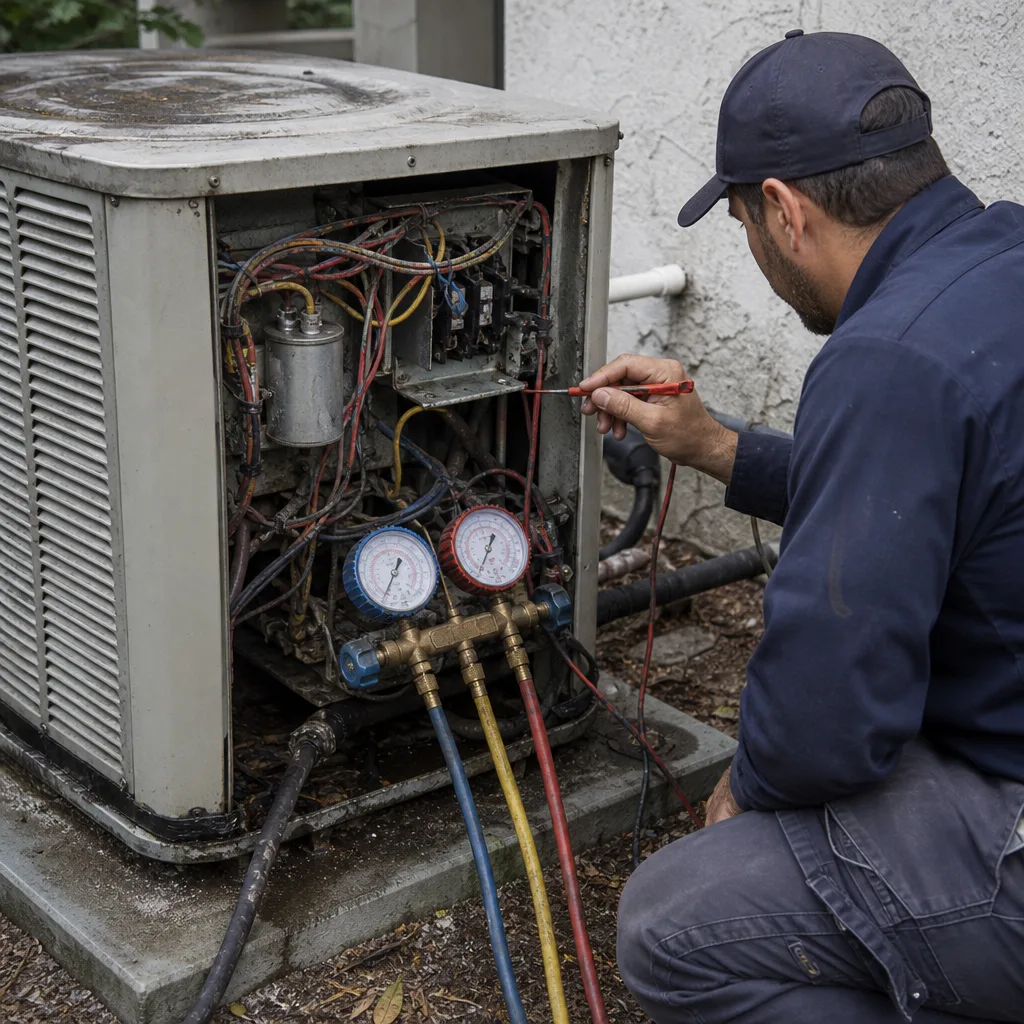 Before
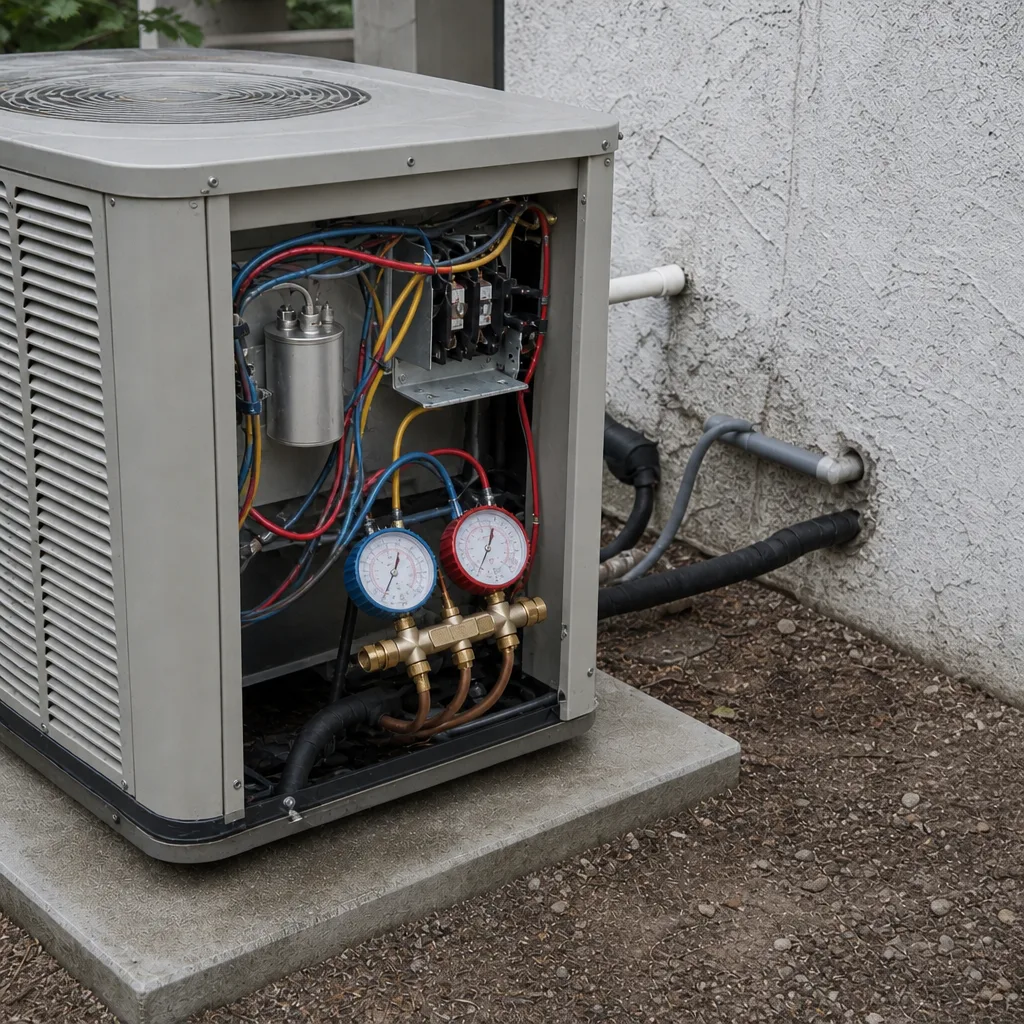 After
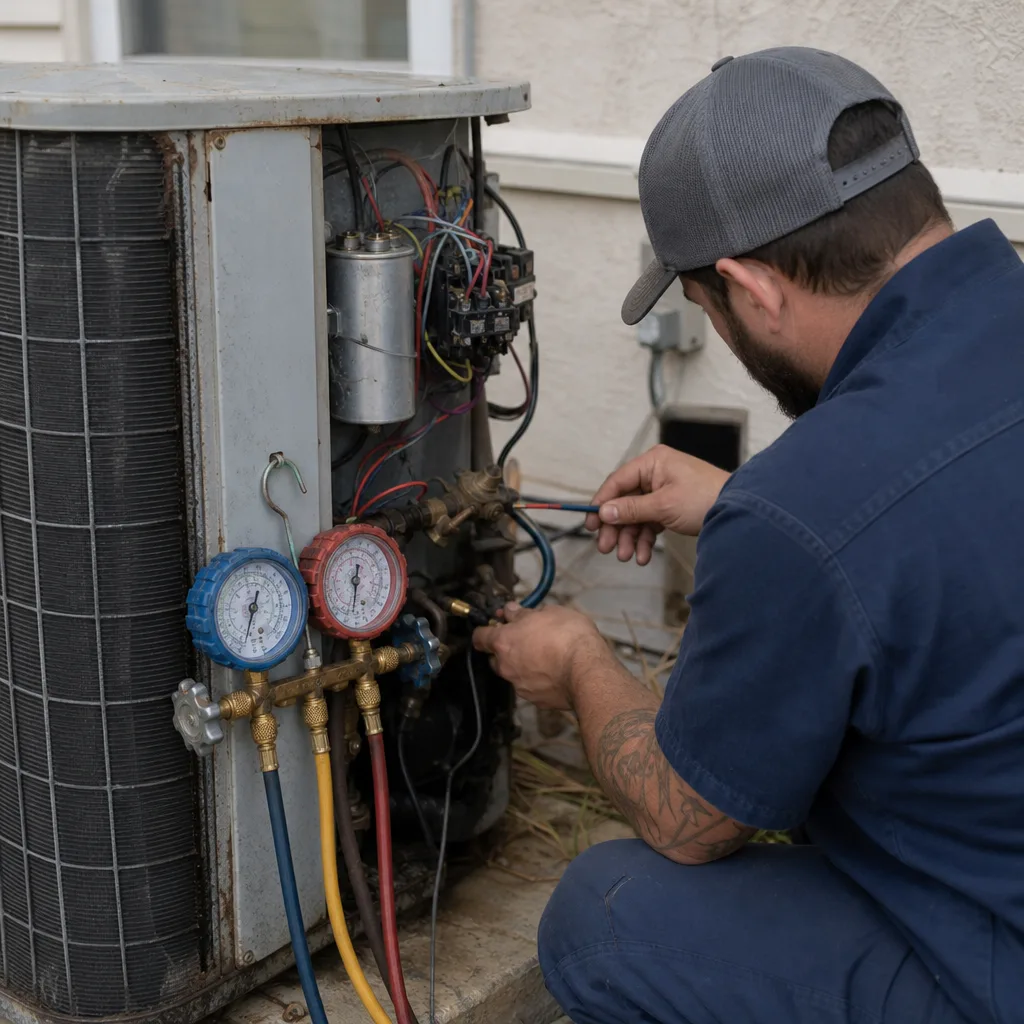 Before
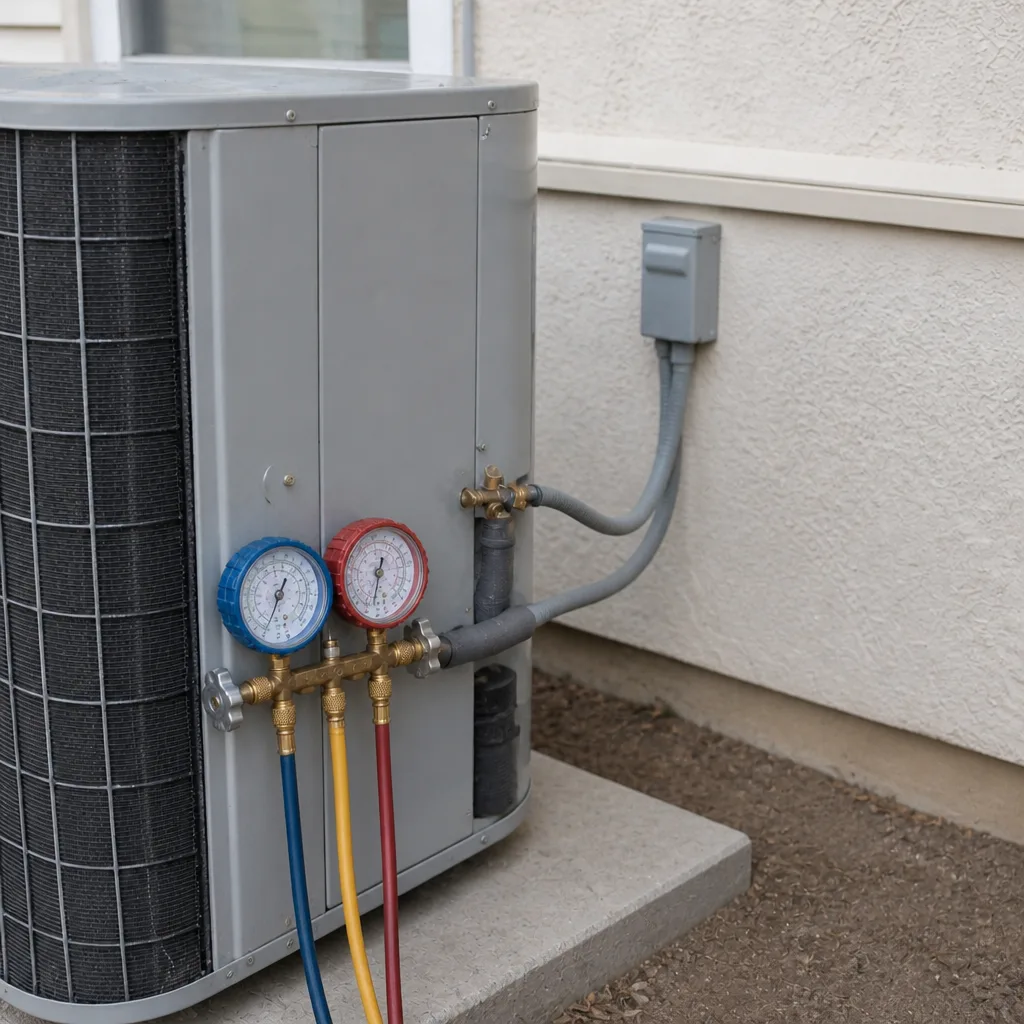 After
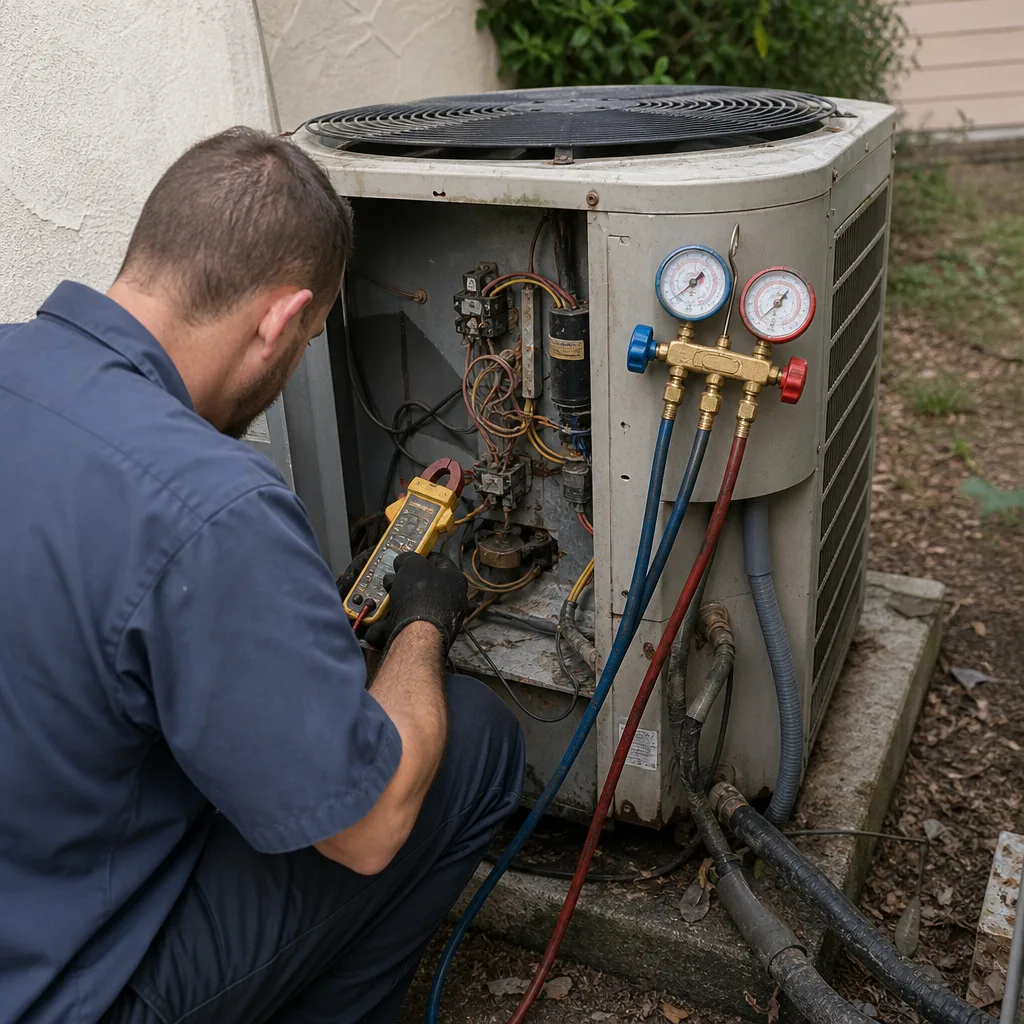 Before
 After
When to Call a Professional
Call a professional when the system short-cycles repeatedly, when ice appears on the line, when you hear grinding, banging, or a burning smell, when airflow drops off, or when humidity stays high despite a cool thermostat setting. Electrical and refrigerant work are not homeowner jobs – they carry real risk and most local codes require trained, certified professionals. If you’re in St. Petersburg and need a diagnosis, Thrive AC Repair offers free estimates in St. Petersburg – call (855) 490-0819. We answer 24/7, and fast dispatch runs from 7am to 7pm, Sunday through Friday. We work on your system, not just the brands we sell, whether it’s a Carrier, a Trane, or anything else.
Frequently Asked Questions
You’ll hear or notice the system turn on and off every few minutes rather than running in longer cycles. It often happens before a full failure, and a dirty filter or a failing capacitor is a common cause. Call (855) 490-0819 for a free estimate to diagnose it.
Ice means the system is struggling to absorb heat, usually due to low refrigerant or restricted airflow. Turn the system off, check the filter, and call a professional if the ice returns.
Some humidity is normal in this climate, but clammy, sticky air with a cool thermostat setting points to an oversized system, a refrigerant issue, or a failed dehumidifier. Call (855) 490-0819 for a diagnosis – estimates are free.
A grinding squeal, banging from inside the unit, a burning smell, or repeated breaker trips. Turn it off at the thermostat and breaker and call a professional. We answer 24/7 at (855) 490-0819.
It depends on the cause – a filter or capacitor is modest, while a compressor is the most expensive single-component repair. The written estimate sets the final price. Call for a free estimate.
If the cause is a cheap component like a capacitor or a dirty filter, repair. If it’s a failing compressor or a system that’s been short-cycling for years, replacement may be the smarter financial move. We’ll tell you the truth either way.
The Bottom Line
HVAC warning signs are a language, and each one points to a specific cause. Short-cycling usually starts cheap and gets expensive if ignored. Ice on the line means the system is overloaded, not cold. Humidity is a signal. Squeals, buzzes, and banging map to components. And your thermostat’s runtime data is the early-warning system most homeowners never use. Understand the symptom and you can triage intelligently, ask the right questions, and avoid paying for a replacement when a repair is the right answer. Thrive AC Repair is here for the diagnosis, the repair, or the replacement in St. Petersburg.
Written by the team at Thrive AC Repair.