
Last updated November 16, 2026
 AC repair
 Furnace & heating
 Heat pumps
 Ductless mini splits
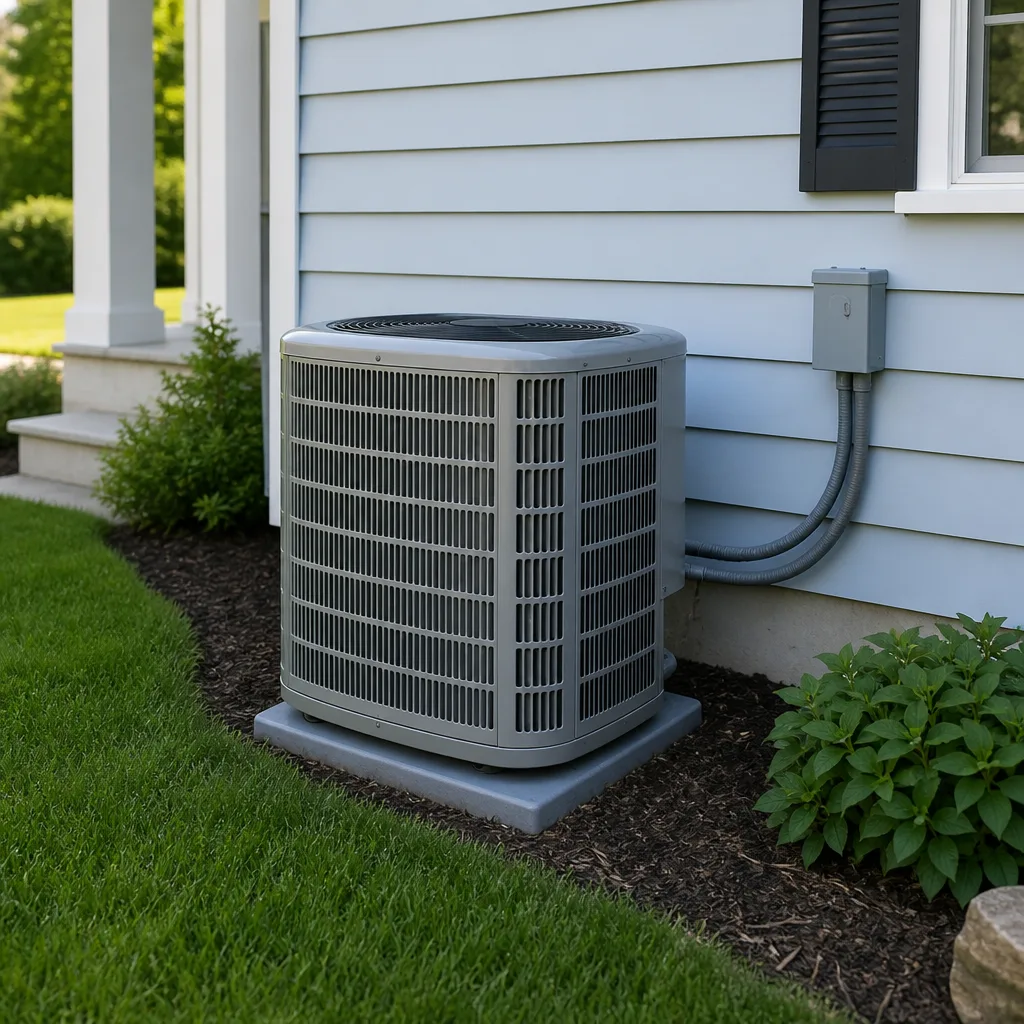 Carrier
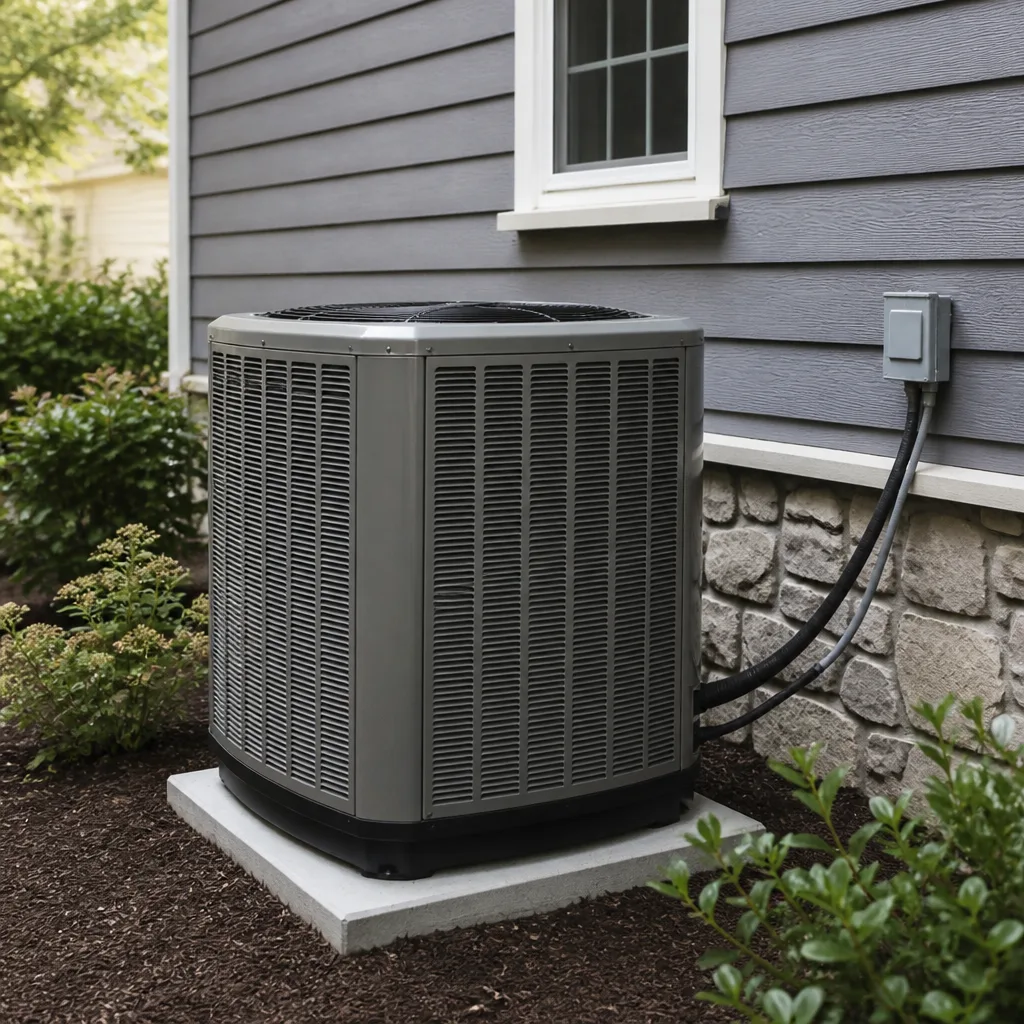 Trane
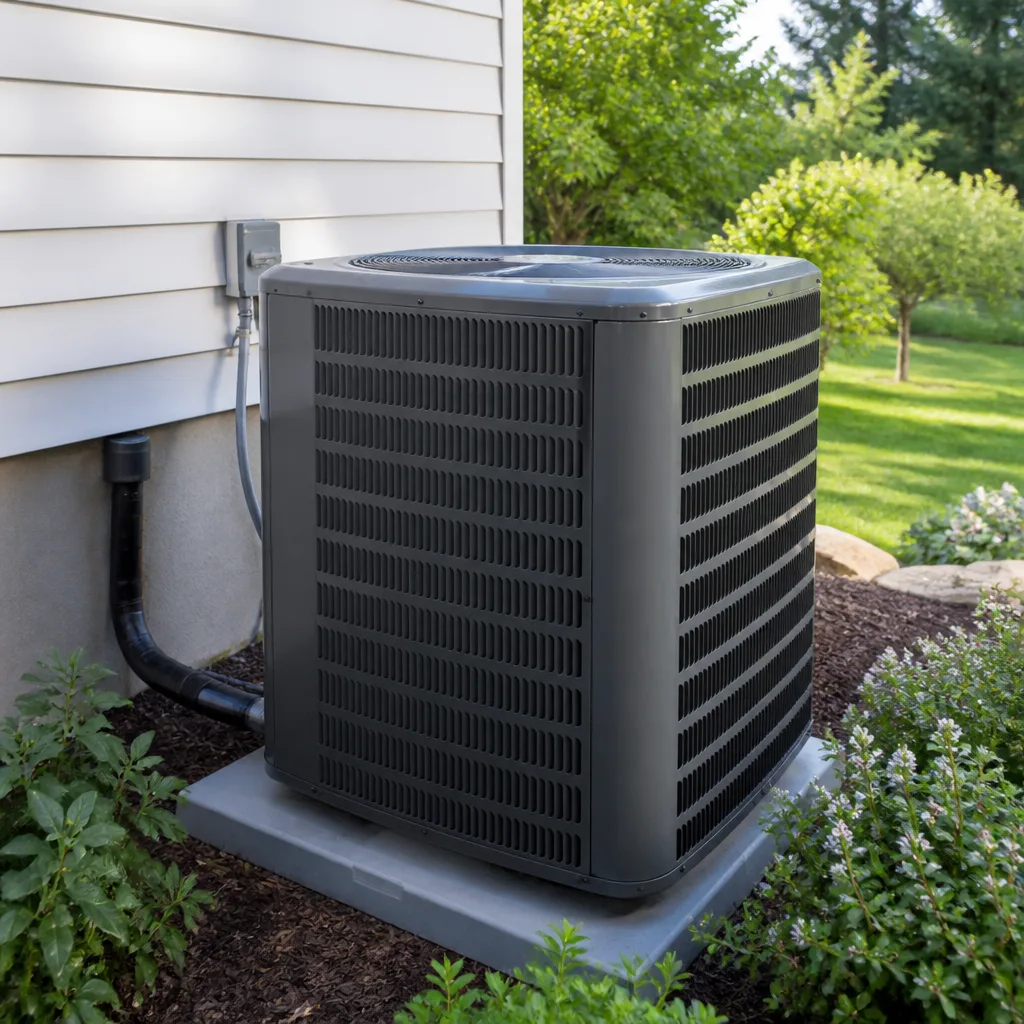 Goodman
Seasonal tune-up and full diagnostic on your Carrier, Trane, or Goodman system - readings shown to you before any repair is proposed
Diagnosis first, numbers second - you approve the repair price before a single part goes in.
Get your free estimateHVAC Permits, Codes & Inspections in St. Petersburg, FL: What You Need to Know
Most homeowners think of an HVAC permit as paperwork the contractor handles in the background. Here’s the counterintuitive part: the permit and the inspection record are often the only proof that the equipment in your home was installed legally and to code. That record matters at resale, at insurance renewal, and at the moment a buyer’s lender asks for documentation. Without it, a perfectly good system can become a negotiating problem you didn’t create. This guide walks through who has jurisdiction over your address, what Florida Building Code Section 15 actually requires for a mechanical permit, how the inspection sequence works, and where homeowners get tripped up. If you own a home in St. Petersburg, this is worth reading before you sign anything.
Quick Answer
A standard HVAC replacement or new installation in St. Petersburg requires a mechanical permit issued either by the City of St. Petersburg or by Pinellas County, depending on your address, and the work must pass a rough-in and final inspection. Equipment must meet the efficiency minimums in Florida’s energy code, which is based on the 2021 IECC. A licensed contractor pulls the permit, schedules the inspections, and hands you the closed-out record when the job is done.
Styles & brands we work with
- AC repair
- Furnace & heating
- Heat pumps
- Ductless mini splits
- Carrier
- Trane
- Goodman
Table of Contents
- City of St. Petersburg vs. Pinellas County: Which Office Handles Your Permit?
- What Florida Building Code Section 15 Requires for HVAC Work
- The Inspection Sequence: Rough-In, Final Mechanical, and What’s Checked
- Florida’s 2023 Energy Code Update and What It Changed
- Homeowner-Builder Permits: When They’re Legal and Why They Usually Cost More
- What a Compliant Installation Actually Looks Like
- How to Check Whether Your System Has a Permit Record
City of St. Petersburg vs. Pinellas County: Which Office Handles Your Permit?
Your address decides this, and it’s the first thing to sort out. The City of St. Petersburg runs its own building department for properties inside city limits. If your home sits in unincorporated Pinellas County, or in a separate municipality like Gulfport or Kenneth City, the permit goes through a different office entirely. Pull the wrong jurisdiction’s permit and the inspection may not be recognized when it counts.
How the split plays out in practice:
- Inside St. Petersburg city limits: the city’s construction services department issues the mechanical permit and performs the inspections. Most of the peninsula, the historic neighborhoods like Old Northeast and Kenwood, and the neighborhoods around Snell Isle fall here.
- Unincorporated Pinellas County: the county building department handles permitting. Areas west of the city, including stretches near Pinellas Park and Seminole, commonly sit in county jurisdiction.
- Separate municipalities: Gulfport, Kenneth City, South Pasadena, and other small cities each run their own permitting. A property with a Gulfport address is not a St. Petersburg permit.
The practical lesson: don’t assume a mailing address ending in “St. Petersburg, FL” means the city handles it. Mailing addresses and jurisdictional boundaries don’t always line up, especially on the edges of the city. A quick call to whichever office you think has jurisdiction, with your parcel number in hand, settles it in a minute. Any competent contractor confirms the jurisdiction before pulling anything.
If you’re scheduling AC installation, the permit pull should happen before any equipment is ordered, not after. Good contractors line up the permit and the install date together so there’s no gap where a system sits installed but unpermitted.
What Florida Building Code Section 15 Requires for HVAC Work
Florida Building Code Section 15, the Mechanical chapter, governs how HVAC systems are installed, sized, and connected. It covers everything from load calculations and equipment sizing to duct sealing, condensate disposal, and combustion air for gas-fired equipment. The code applies whether you’re swapping a single split system or installing a multi-zone setup.
For a like-for-like split-system replacement, the code still applies, but the scope is narrower. The key requirement is that the replacement equipment meets current efficiency minimums and that the installation preserves the original compliant conditions: correct sizing, sealed ducts, proper condensate drainage, and the electrical disconnect in the right place.
For a new installation, the requirements expand significantly:
- Load calculation. The code requires a load calculation to size the equipment, typically done with Manual J methodology. Guessing tonnage by square footage is not compliant.
- Duct design. Ductwork must be sized and sealed per code, with mastic or listed tape at every joint, not just the accessible ones.
- Condensate disposal. Condensate lines must drain to an approved location with a trap and, in many cases, a secondary pan or float switch.
- Combustion air and venting. Gas furnaces must have adequate combustion air and venting per manufacturer specifications and code.
- Electrical and disconnect. A disconnecting means must be within sight of the equipment, and the circuit must be sized to the nameplate.
Brand matters less than sizing. Whether the equipment is a Daikin, a Bryant, or an American Standard, the code cares that it’s sized to the house, installed to the manufacturer’s instructions, and wired correctly. That’s why we work on your system, not just the brands we sell: the compliance standard is the same across all of them.
The Inspection Sequence: Rough-In, Final Mechanical, and What’s Checked
A mechanical permit in St. Petersburg typically involves two inspections: a rough-in and a final. Sometimes a third is added depending on the scope. The rough-in happens before drywall or finish work closes up the installation. The final happens after the system is fully in and running.
Rough-In Inspection
The inspector at rough-in is checking what will be hidden once the job is closed up. That includes:
- Equipment placement and clearances from walls and combustible surfaces
- Duct routing and whether flex duct is supported and not crushed
- Refrigerant line routing and insulation
- Condensate line routing still accessible for the final
- Electrical rough-in and disconnect location
If anything is off at rough-in, it gets corrected before the walls close. That timing matters because corrective work after finish-up is far more disruptive.
Final Mechanical Inspection
The final inspection happens once the system is operational. The inspector confirms:
- Equipment is running and producing conditioned air
- Condensate drains properly with no leaks
- Electrical disconnect is installed and functional
- Equipment matches the permit and approved load calculation
- Duct connections are sealed and the return is pulling correctly
- Manufacturer’s instructions were followed for clearances and venting
Once the final passes, the permit is closed out. That closed-out record is the document that proves the work was done correctly. Keep a copy. It’s the same record a buyer’s lender will ask for years later.
Florida’s 2023 Energy Code Update and What It Changed
Florida adopted an updated energy code in 2023 based on the 2021 IECC. For St. Petersburg homeowners replacing or installing equipment, the most visible change was the higher efficiency floor required for new equipment. Equipment that met the previous minimum may no longer qualify for a new permitted installation.
What this means in practical terms:
- Higher minimum SEER ratings. New equipment must meet the current code floor for efficiency, which is higher than the older standard. A unit that was compliant a few years ago might fail a new permit review.
- Duct sealing requirements tightened. The code places more emphasis on duct leakage testing and sealing, which often means added labor on replacements where existing ducts are leaky.
- Sizing must be documented. The load calculation requirement is enforced more strictly under the updated code.
- Compliance documentation matters. The permit application typically requires the equipment specification sheet showing the efficiency rating, so the equipment you choose has to match what’s on the permit.
This is the reason a “drop-in” replacement with older or lower-efficiency stock can create a problem. Even when the equipment physically fits, the efficiency rating has to meet the current standard. We handle the permit documentation as part of the installation, so the equipment you buy and the permit that gets pulled agree with each other on paper.
If you want to understand how this interacts with equipment selection, our guide to furnace repair covers how we approach the repair-versus-replace decision, which is the same decision that determines permit scope.
Homeowner-Builder Permits: When They’re Legal and Why They Usually Cost More
Florida allows a homeowner to pull a permit as an owner-builder for work on their own primary residence, and that includes mechanical work. The permit is issued to the homeowner, not to a contractor, and it carries specific obligations. It’s legal under a few conditions:
- The property is your primary residence and you intend to live in it, not rent it or sell it immediately.
- You personally supervise the work, and you are capable of doing the work yourself or directly managing licensed subtrades.
- You sign the owner-builder disclosure and acknowledge that you assume responsibility for the work and for any code issues that arise.
Where it goes wrong is the assumption that the owner-builder permit is a shortcut. In our experience, it usually isn’t, for a few practical reasons:
- You own the liability. If the installation fails inspection or creates a problem later, the homeowner carries that, not a contractor with insurance behind them.
- You’re responsible for the inspections. Scheduling, passing, and re-inspecting are on you. A failed inspection means you chase the fix and pay for the re-inspection.
- Warranty and documentation get murky. Equipment warranties are typically tied to proper installation by a licensed contractor. An owner-builder install can complicate the warranty side.
- Resale complications. A buyer’s lender may want documentation that professional installation occurred. Owner-builder records don’t always satisfy that request.
None of this is a knock on homeowners who genuinely know their systems. It’s a caution that the permit route you choose becomes part of your home’s record, and the record matters later.
What a Compliant Installation Actually Looks Like
A code-compliant HVAC installation in St. Petersburg follows a clear sequence from permit to final inspection. Here’s what it should look like end to end:
- Load calculation first. Before any equipment is chosen, the contractor runs a load calculation for your home. This is the sizing basis, and it should be in writing.
- Permit application. The mechanical permit is pulled under the correct jurisdiction with the equipment specification attached.
- Equipment ordered and specified to code. The equipment selected meets the current efficiency floor for Florida’s energy code, and the model matches the permit.
- Rough-in inspection. Duct routing, line routing, electrical, and equipment placement are inspected before finish work.
- System start-up. The system is charged, tested, and confirmed to produce the expected temperature drop.
- Final inspection. The inspector confirms the installation is operational and matches the approved scope.
- Close-out documentation. You receive the closed permit record, equipment manuals, and warranty registration.
Notice that the permit pull happens early, not at the end. That sequencing is the difference between a straightforward job and a scramble. When a contractor pulls the permit after the equipment is installed, the inspection timeline gets compressed and corrections get expensive.
Homes in St. Petersburg’s older neighborhoods, particularly the bungalows around Kenwood and the historic homes near Roser Park, often have added complications: existing duct routes that don’t match a modern layout, or older electrical that needs updating to support the new equipment. Those are handled in the rough-in stage and don’t require a separate guide, but they do need to be identified before the install starts.
How to Check Whether Your System Has a Permit Record
If you inherited your system when you bought the house, or you’re not sure whether the last replacement was permitted, you can check. Both the City of St. Petersburg and Pinellas County maintain online permit records searchable by address or parcel number. Start there.
What to look for in the record:
- A mechanical permit was issued for the equipment model currently installed
- Both a rough-in and final inspection were recorded, with both showing “passed”
- The permit was closed out, not left open or expired
- The installing contractor’s name matches a licensed contractor on record
If the permit was never pulled, or the record shows an open or failed inspection, you have a decision to make. It can often be remedied, but the path looks different than a clean record. That’s the conversation worth having before a sale, a refinance, or an insurance claim. If the address points to a St. Petersburg property, our team can look at the system and give you a straight answer on what you’re dealing with.
Common Mistakes to Avoid
- Pulling the permit from the wrong jurisdiction. A property with a St. Petersburg mailing address can still sit in county jurisdiction. Confirm before anything is filed, because an invalid permit doesn’t protect you at resale.
- Choosing equipment that was compliant under the old energy code. The efficiency floor went up in 2023. Equipment that worked before may not qualify for a new permit now, and buying it first is an expensive mistake.
- Skipping the load calculation to save time. Oversized and undersized systems both fail in Florida’s summer humidity. Sizing isn’t optional under Section 15, and it’s the first thing an inspector can ask for.
- Hiring an unlicensed contractor to “handle the permit.” Unlicensed contractors cannot legally pull a mechanical permit in Pinellas County. If someone offers to, that’s your signal to walk.
- Pulling an owner-builder permit to save money and then selling within a few years. The record follows the house, and the buyer’s lender may not accept an owner-builder record the same way it accepts a licensed contractor’s closed-out permit.
- Forgetting to keep the close-out record. The permit itself isn’t the point. The closed-out inspection record is. Save it with your closing documents.
- Assuming the pre-existing installation was permitted. If you bought the house a few years ago, it’s worth checking. It’s a fast look and it saves a surprise later.
See the difference
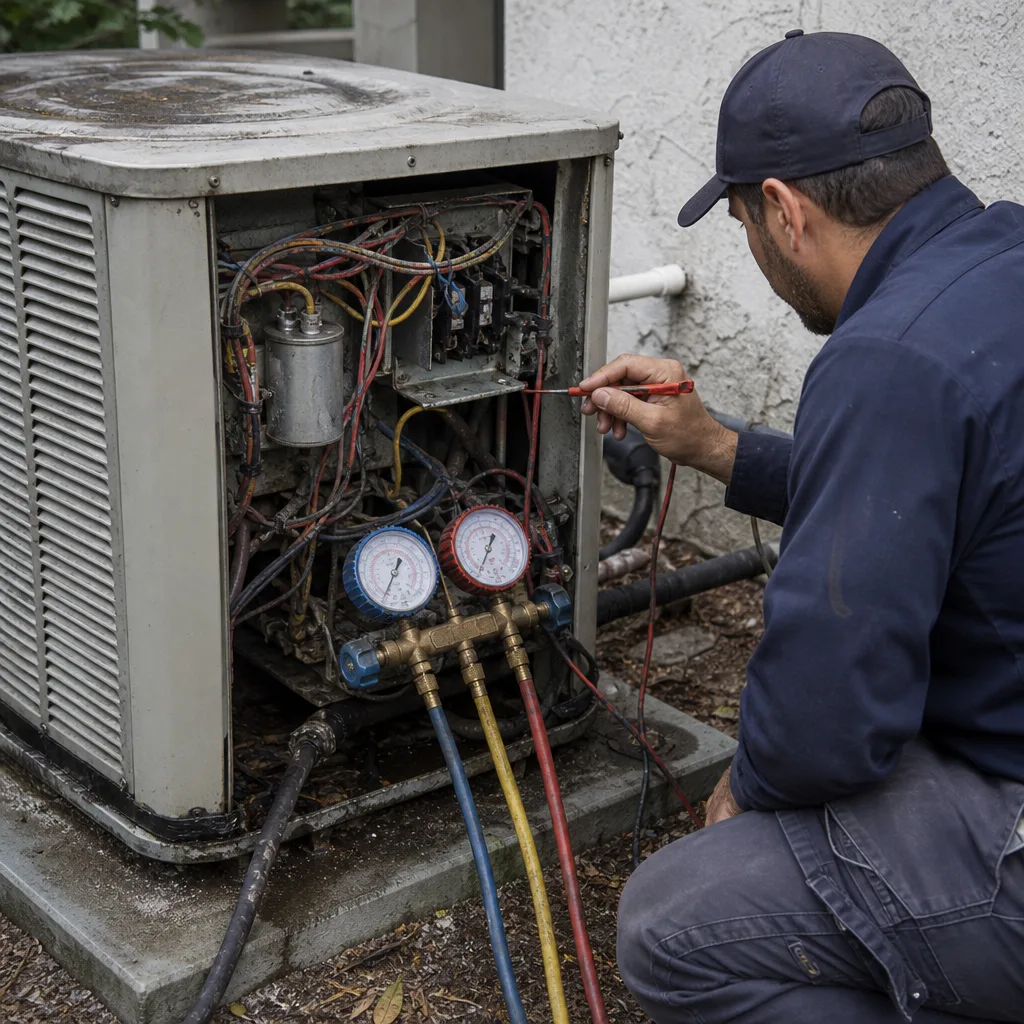 Before
 After
 Before
 After
 Before
 After
When to Call a Professional
Permits and inspections are one of the few parts of an HVAC job where a contractor’s competence is documented in a government record. That’s the reason it pays to involve a licensed professional from the start, not once the equipment is already installed. If you’re replacing a system, installing new equipment, or trying to determine whether the equipment in your home was permitted, call us before anything gets ordered. We pull permits correctly, in the right jurisdiction, and we walk you through the inspection sequence so you know what to expect on the day. Thrive AC Repair offers free estimates in St. Petersburg and coordinates the permit and inspection for you as part of the job. Our technicians have up to 14 years of experience across the major brands, so whether your home has a Carrier, a Daikin, or anything in between, we know it. Call (855) 490-0819 for a free estimate. We answer 24/7, and fast dispatch runs from 7am to 7pm, Sunday through Friday.
Frequently Asked Questions
Yes. A like-for-like AC replacement requires a mechanical permit, and the installation must pass inspection. The only real variable is which office issues it, the City of St. Petersburg or Pinellas County, and that depends on your address. Pulling the permit is the contractor’s job, and it’s the piece that gives you a documented record. Call (855) 490-0819 for a free estimate and we’ll confirm jurisdiction for your address.
The city inspects work inside St. Petersburg city limits, and Pinellas County inspects work in unincorporated county areas, while separate municipalities like Gulfport and Kenneth City run their own inspections. The deciding factor is the property’s legal jurisdiction, not the mailing city on your address line. If you’re not sure which office handles your home, your parcel number will clarify it quickly. Call us and we’ll pull the right permit for your address from the start.
A rough-in inspection confirms the mechanical work before it gets closed up behind drywall or finish materials. The inspector looks at equipment placement, duct routing, refrigerant and condensate line routing, and electrical disconnect location. You don’t need to be present, though being there can help you understand what’s being verified. We schedule the rough-in and handle the walkthrough; call (855) 490-0819 if you want to know the sequence for your job.
Yes. Florida’s energy code update, based on the 2021 IECC, raised the minimum efficiency standard for new equipment. That means a new installation has to meet a higher efficiency floor than the previous code required. Older or low-efficiency equipment may not qualify for a permit anymore, which is why equipment selection and permit documentation need to line up. If you’re weighing a repair against a full system change, our furnace repair team can walk you through both paths honestly. Call (855) 490-0819 and we’ll give you a free estimate.
You can often remedy an unpermitted installation, but the path depends on the scope of the work and how the inspection record reads. In some cases, a retroactive permit and inspection are possible; in others, the fix means correcting the installation to code. The outcome matters most at resale or refinance, where a buyer’s lender may ask for documentation. If you’re in St. Petersburg and that’s your situation, call (855) 490-0819 for a free estimate and we’ll tell you what you’re actually dealing with.
An owner-builder permit is legal only for a primary residence you intend to live in, and for work you personally supervise. It’s rarely cheaper in the long run because you carry the liability, the warranty complications, and the inspection burden yourself. Equipment warranties are typically tied to proper contractor installation, and buyers’ lenders may not accept an owner-builder record the same way. We recommend treating it as a last resort, not a shortcut. If you want a compliant record without the risk, Thrive AC Repair pulls the permit and manages the inspections.
The Bottom Line
The permit and inspection record is the documentation that protects you when it matters most: at resale, at a refinance, and at an insurance claim. In St. Petersburg, that starts with confirming whether your address falls under the city or the county, choosing equipment that meets the current energy code floor, and following the rough-in and final inspection sequence without shortcuts. It’s easy to skip when the crew is already coming out, and easy to forget until someone asks for the record years later. If you’re planning a replacement or installation, get the permit question settled first. Whether it’s a Carrier, a Daikin, or a Bryant, we’ll tell you what your home needs and handle the paperwork correctly.
Thrive AC Repair services nine major HVAC brands and handles both heating and cooling under one company name. If you’re weighing a repair against a replacement, or you want to know whether your system was permitted, call (855) 490-0819 for a free estimate. We answer 24/7. Fast dispatch from 7am to 7pm, Sunday through Friday.
Learn more about our St. Petersburg service and what we cover on the Thrive AC Repair home page.
Written by the team at Thrive AC Repair.