
Last updated November 16, 2026
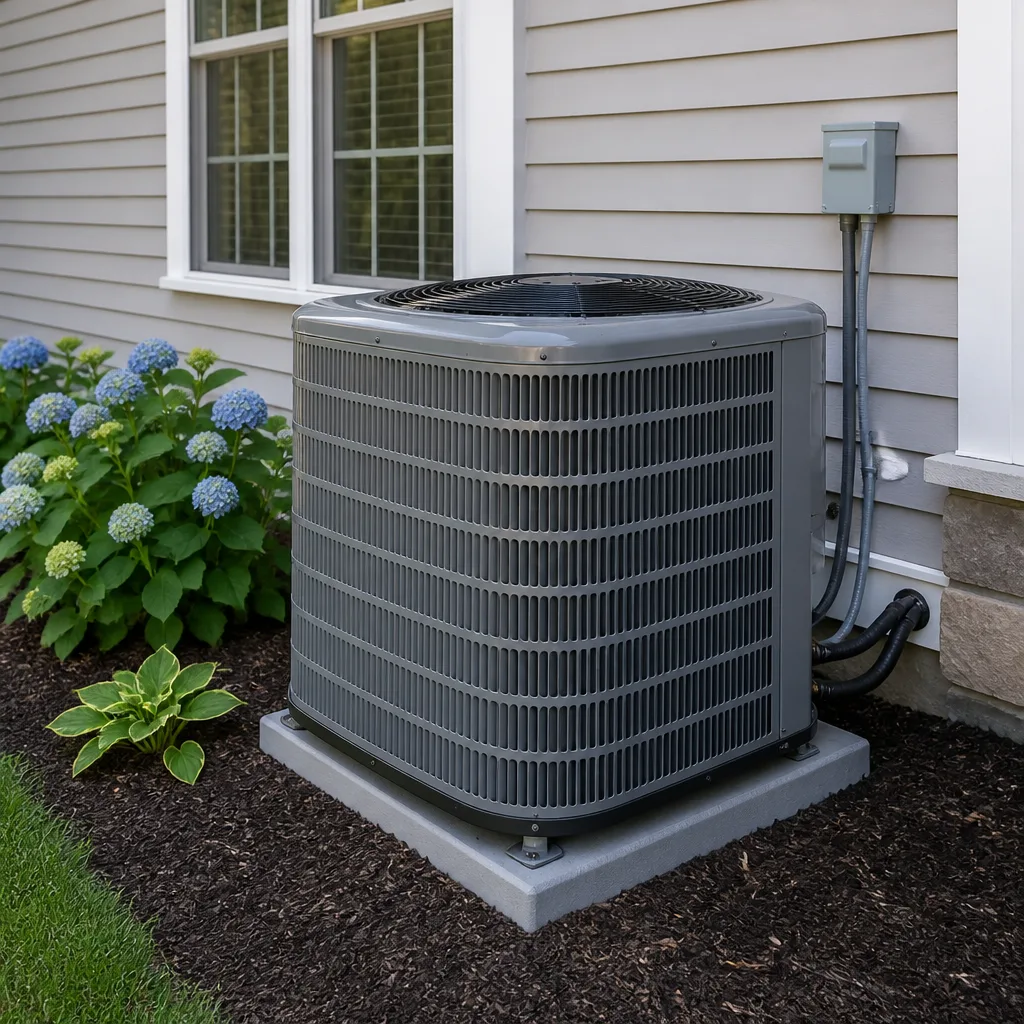 AC repair
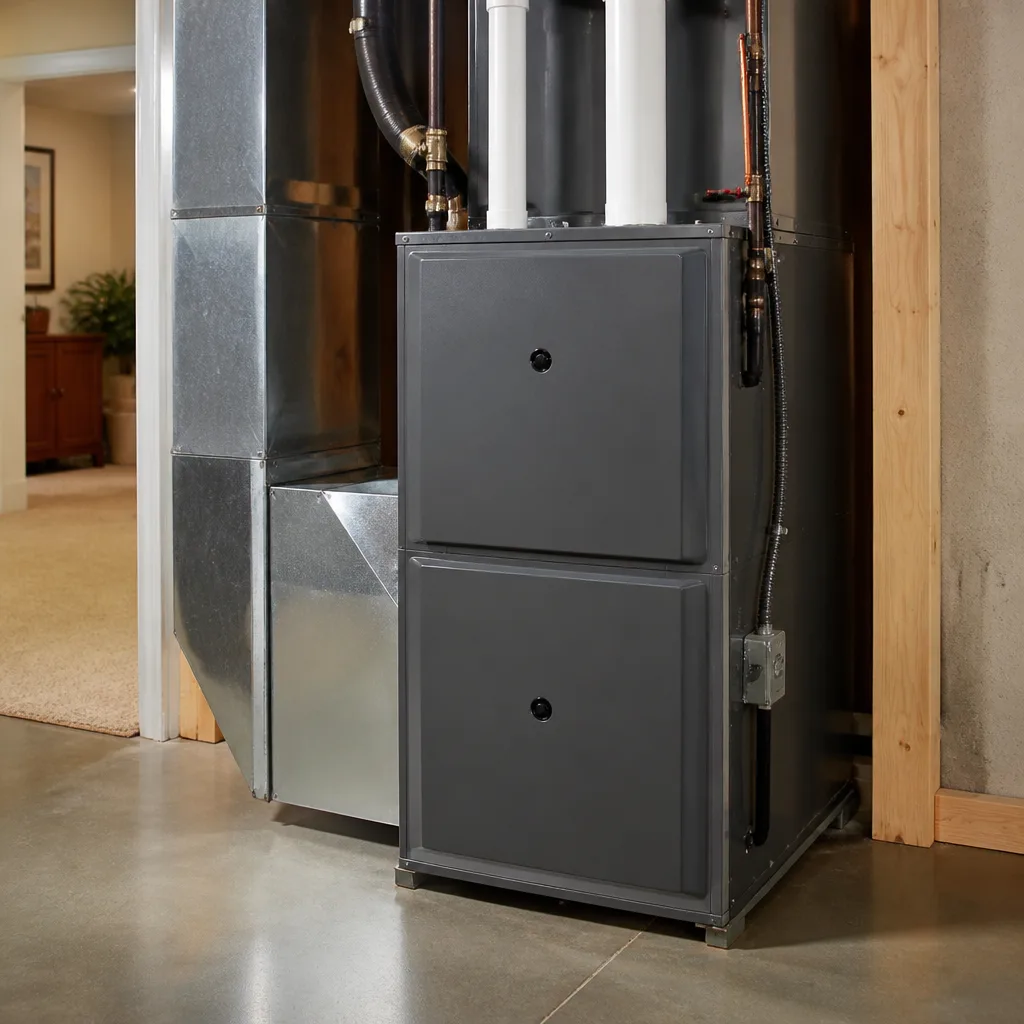 Furnace & heating
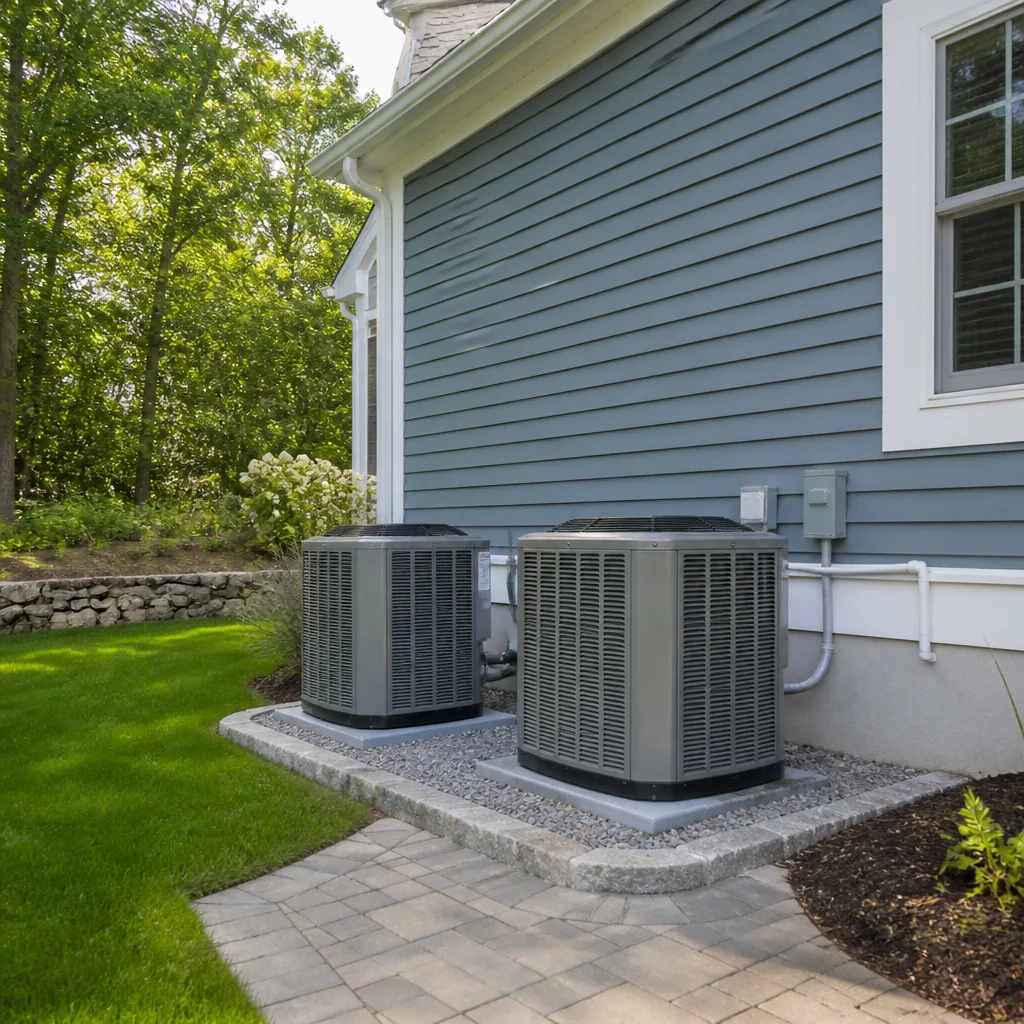 Heat pumps
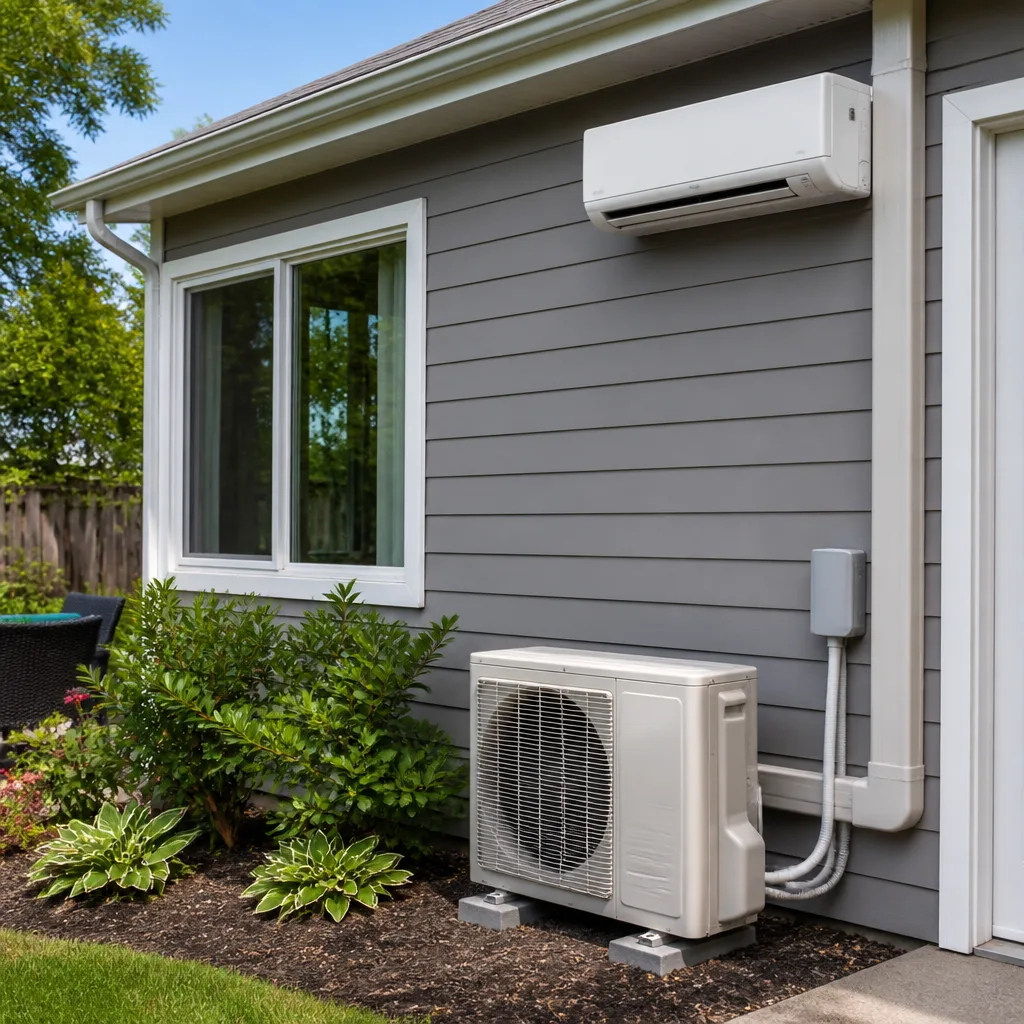 Ductless mini splits
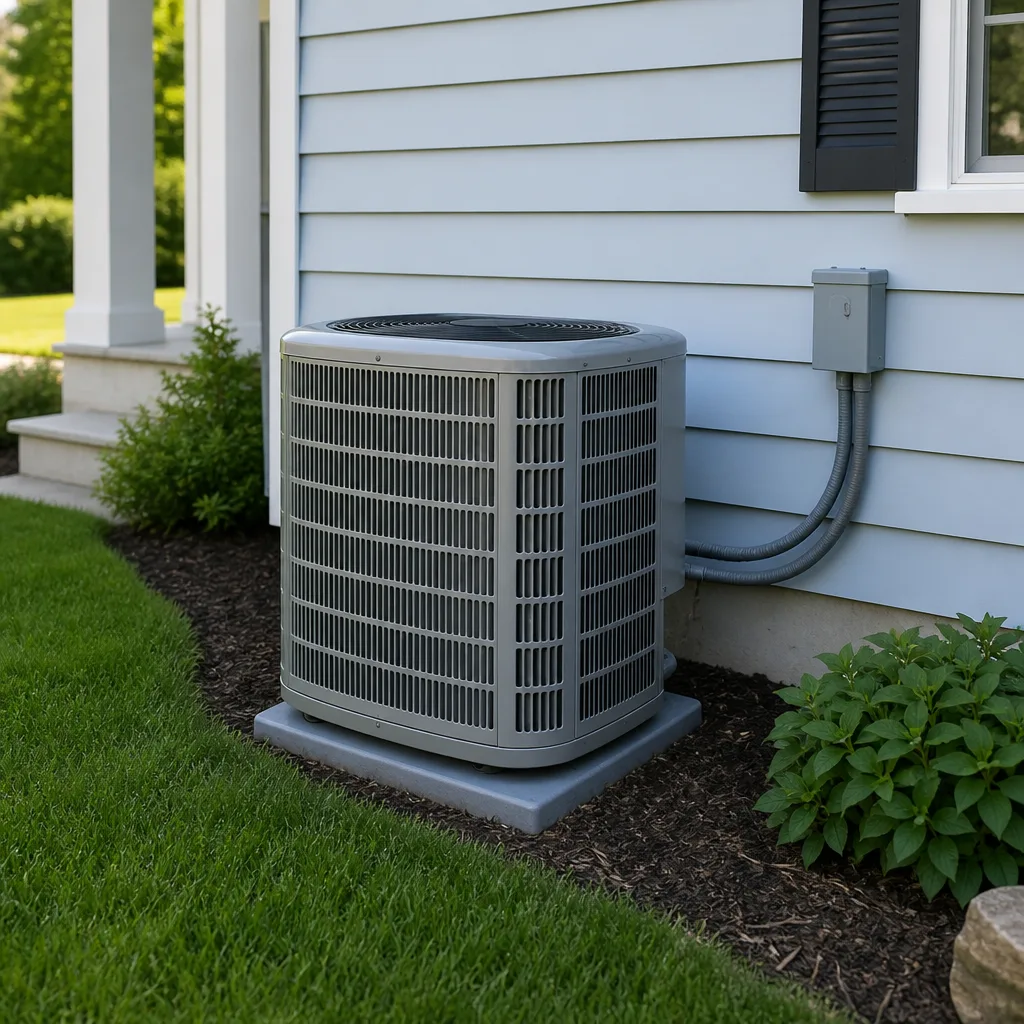 Carrier
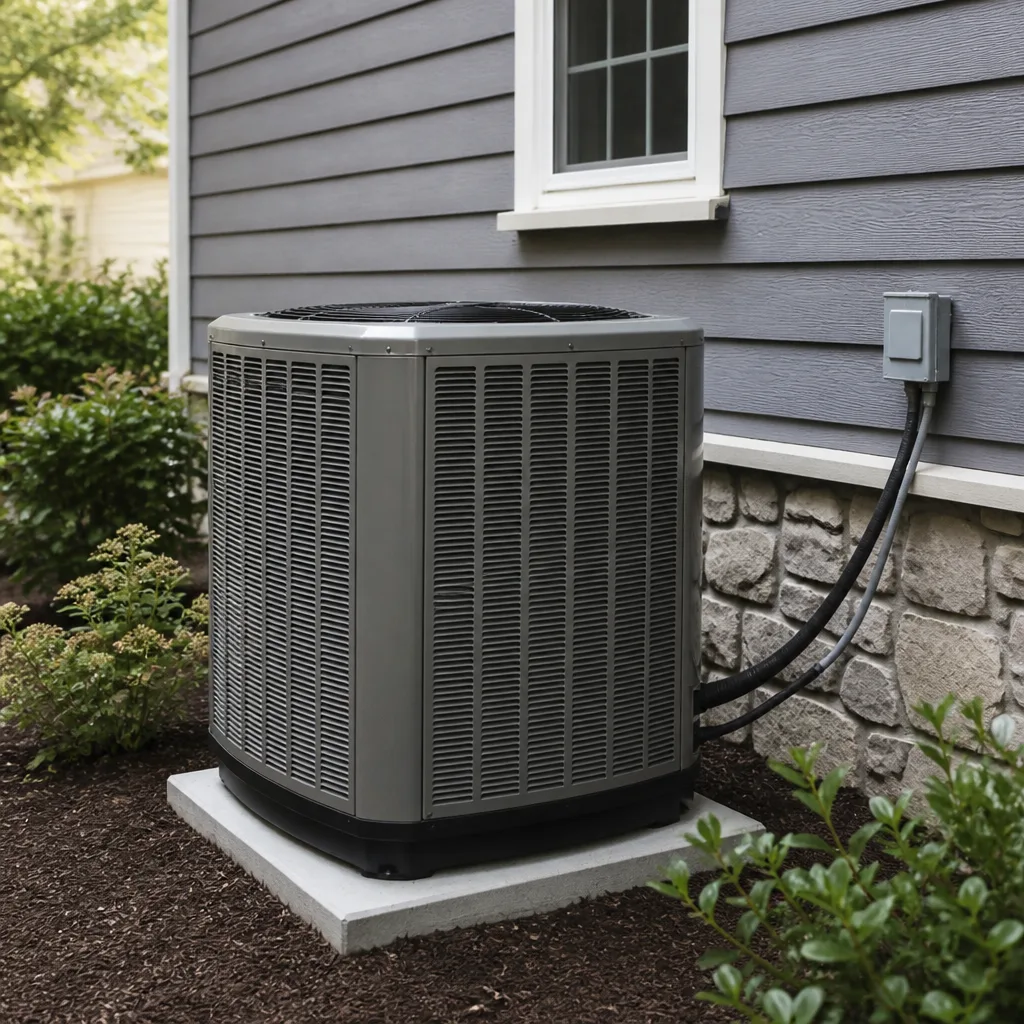 Trane
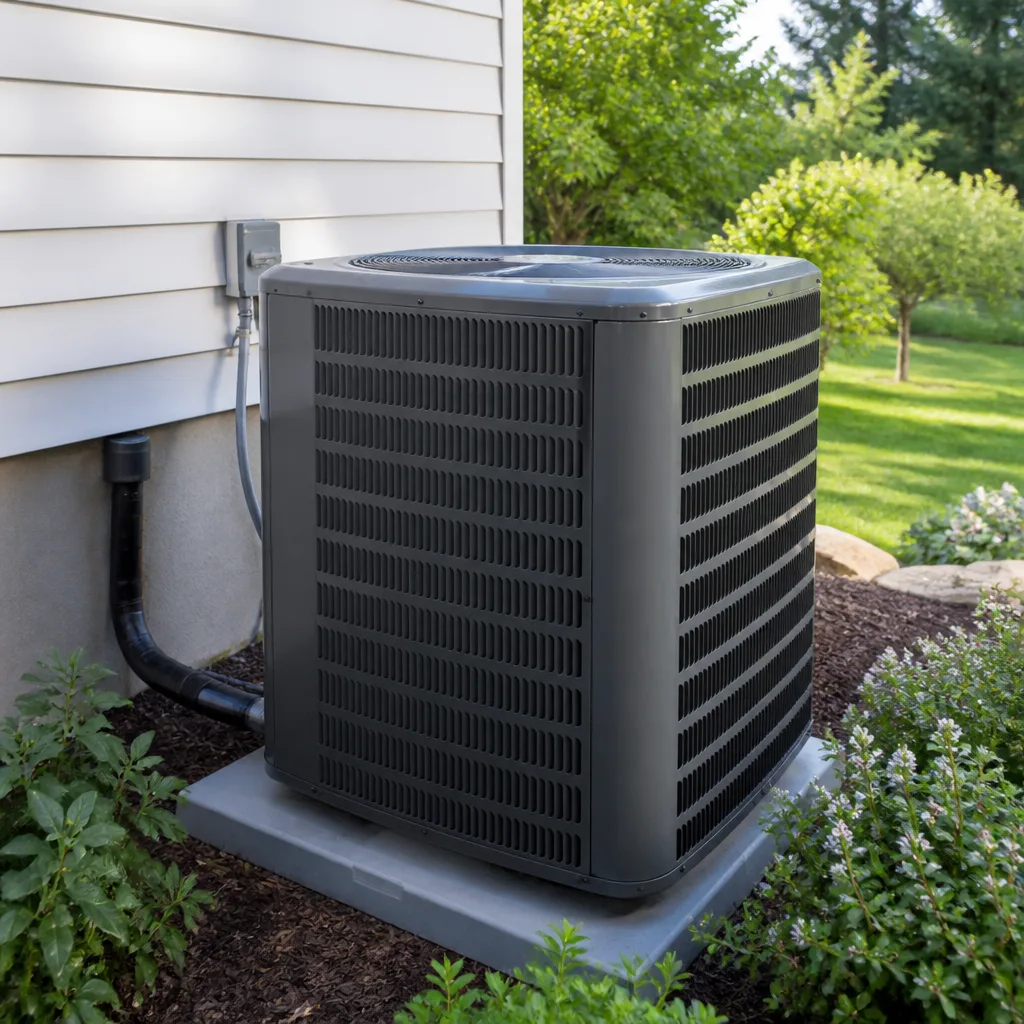 Goodman
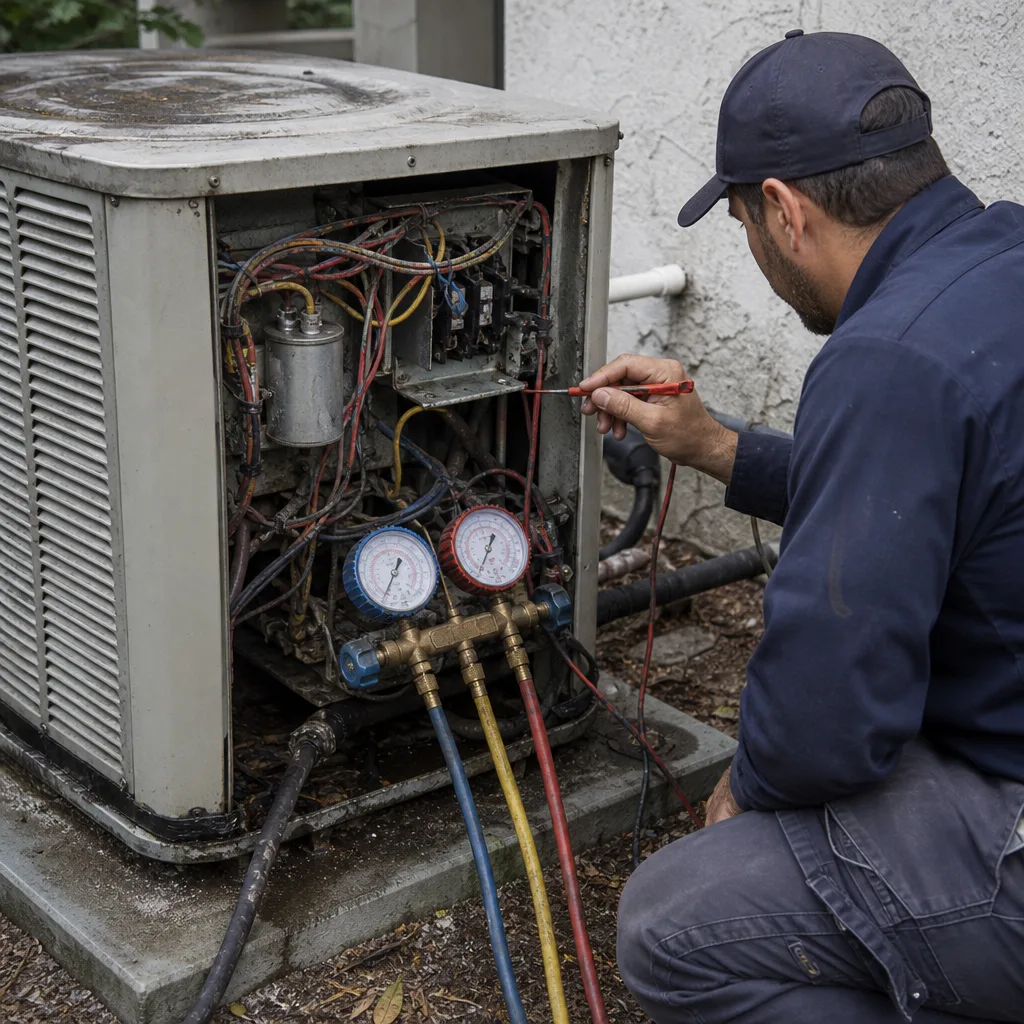
Seasonal tune-up and full diagnostic on your Carrier, Trane, or Goodman system - readings shown to you before any repair is proposed
Diagnosis first, numbers second - you approve the repair price before a single part goes in.
Get your free estimateHow to Hire an HVAC Contractor in St. Petersburg: A Step-by-Step Guide
If the first question an HVAC contractor asks is “what brand do you want?” instead of “what brand do you have?” – that’s a red flag worth paying attention to. In St. Petersburg, the costliest hiring mistakes rarely show up on the invoice. They show up two summers later, when a homeowner realizes the “great deal” was really a nudge toward replacing a system that could have been repaired, because the dealer only profits on one brand. This guide teaches you to screen for independence and licenses before you ever compare price, with the exact questions, checks, and contract clauses that separate a straight answer from a sales pitch. You’ll learn how to verify a license, spot brand-locked contractors, and read reviews like a tech.
Quick Answer
To hire an HVAC contractor in St. Petersburg, verify the contractor’s Florida CAC license on the DBPR website, confirm they service multiple brands rather than one, ask which load calculation they’ll run before quoting a replacement, insist on a written estimate, and check that permits and insurance are handled before work starts. Screen for independence first, price second. A licensed, multi-brand contractor will answer those questions without flinching.
Styles & brands we work with
- AC repair
- Furnace & heating
- Heat pumps
- Ductless mini splits
- Carrier
- Trane
- Goodman
Table of Contents
- How do I verify an HVAC contractor’s license in St. Petersburg?
- What is the brand-lock test, and why does it matter?
- Why should a replacement quote require a Manual J calculation?
- How do I avoid storm-season rush hiring mistakes?
- How do I read Google reviews for HVAC-specific signals?
- What questions should I ask before signing anything?
- What belongs in a written HVAC estimate?
- Repair or replace: how do I know which one I need?
How do I verify an HVAC contractor’s license in St. Petersburg?
You verify an HVAC contractor in St. Petersburg by looking up the license on the Florida Department of Business and Professional Regulation (DBPR) website, which takes about two minutes. The state issues what’s called a CAC license – Certified Air Conditioning Contractor – for the work most homeowners need. Anything less than an active, unexpired CAC in the contractor’s legal business name is a reason to walk away.
Here’s the quick sequence:
- Go to the DBPR license lookup page and search by the company’s legal name or license number.
- Confirm the license status reads “Active” and the expiration date is in the future.
- Check that the license type is CAC (or the appropriate air conditioning class), not a general contractor or handyman license.
- Verify the name on the license matches the business name on your estimate and your contract.
That last step catches a common problem. A contractor may present an active license that belongs to someone else or to a related company. If the name on the license doesn’t match the name on your paperwork, ask why. In a city where the summer heat pushes systems hard, roof-mounted and attic units get real wear, and the person touching refrigerant lines and electrical connections needs to be licensed for that work. Unlicensed work can void equipment coverage and complicate a future sale. Calling to screen a company? Thrive AC Repair can confirm credentials before you commit. We answer 24/7, with fast dispatch from 7am to 7pm, Sunday through Friday.
What is the brand-lock test, and why does it matter?
The brand-lock test is a short set of questions designed to reveal whether a contractor is a single-brand dealer or a genuinely multi-brand service shop. It matters because a dealer tied to one manufacturer has a financial reason to steer you toward that brand – including toward a full replacement when a repair would do. A multi-brand shop profits from solving your problem regardless of the nameplate, so its advice tracks your home and budget, not a supply agreement.
Ask these questions before you book:
- “What brand is my current system, and can you service it?” If they answer with a different brand instead of your model, that’s the flag.
- “Do you work on equipment you didn’t install?” A confident yes is what you want.
- “If my unit needs a part, can you source it for my brand?” Dealers sometimes can’t get parts for competing lines.
- “Are you a factory-authorized dealer for one brand, or do you service several?” Listen for the honest answer.
In our experience, the strongest signal is a technician who names the brands they handle across the board – from York to American Standard, Daikin to Bryant. A single-brand dealer will often tell you your system “isn’t our brand” and quote a replacement. A multi-brand shop tells you whether a repair makes sense. That’s the difference you’re screening for.
Why should a replacement quote require a Manual J calculation?
A Manual J calculation is the industry-standard room-by-room load calculation that determines the right size for your system. Requiring one in your contract protects you from an oversized or undersized unit – both of which cost money in the long run through short cycling, uneven cooling, higher electric bills, and premature equipment wear. Most low-bid contractors skip it because a fast guess lets them quote lower and move on.
St. Petersburg homes make this especially important. Many were built decades ago with construction that performs differently than new builds – different insulation, window types, and attic conditions. Replacing a 20-year-old unit with the same tonnage “because that’s what was there” ignores how the house actually performs now. A proper load calculation accounts for:
- Square footage and ceiling height of each room
- Window area, orientation, and glazing type
- Insulation levels and air sealing
- Appliance heat gain (kitchen, laundry)
- Duct location and condition
Ask the contractor in plain terms: “Will you run a Manual J before recommending a size, and will you put it in the contract?” If the answer is “we can estimate from the old unit,” you’ve found the shortcut. A properly sized system starts with the calculation, and that’s as true for a full AC installation as it is for a furnace changeout.
How do I avoid storm-season rush hiring mistakes?
Avoid storm-season rush hiring by slowing down even when your system is failing and the heat is unbearable. When a storm rolls through St. Petersburg and knocks out power or floods an area, a wave of fly-by-night operators appears offering quick repairs at tempting cash prices. The urgency is real, and so is the risk of shortcuts. Two things protect you: verify the license and insist on permits.
Watch for these storm-season red flags:
- No permit offered. A legitimate contractor pulls permits when the scope requires them. Ask who pulls it and get it in writing.
- Unlicensed subcontractors. Ask who will actually be on-site. The person performing the work should be licensed and insured.
- Cash-only and “no inspection needed.” Avoiding inspection is a way to hide substandard or unpermitted work that can bite you later.
- “Sign today” pressure. A real contractor gives you a written estimate and time to read it.
- No written contract. If it isn’t on paper with a scope and price, it doesn’t exist.
In our experience, the companies worth hiring are the ones that slow down and answer questions during a crisis. A clear written estimate with a fixed price, plus a set install date, is more valuable than a rushed promise that evaporates when the storm passes.
How do I read Google reviews for HVAC-specific signals?
Read HVAC reviews by looking for problem-specific detail, not generic praise. “Great service, very friendly” tells you almost nothing. A review that says “diagnosed a failing capacitor and explained why the unit was short cycling” tells you the technician actually understood the equipment. That distinction is how you separate a strong shop from a friendly one.
What to scan for in a contractor’s reviews:
- Specific repairs and diagnostics mentioned (blowers, compressors, refrigerant, thermostats, capacitors)
- Comments about honesty on repair-versus-replace advice
- Mentions of which brands the company serviced, and whether they handled a brand you own
- Notes about written estimates and pricing transparency
- Consistency across many reviews, not one glowing outlier
What to discount:
- Five-star ratings with no detail at all
- Reviews that only praise speed and price
- Responses that blame every unhappy customer instead of addressing the issue
A pattern of reviews mentioning repairs on specific brands, honest guidance, and clear estimates means the shop has done real work on real systems. That’s the shop you want when you need furnace repair or an air conditioning repair in St. Petersburg.
What questions should I ask before signing anything?
Before signing an HVAC contract in St. Petersburg, ask about license, insurance, brand coverage, load calculation, permit responsibility, and written pricing. A contractor who can answer all six calmly and in writing is a safe hire. One who gets defensive, dodges, or pushes you toward a same-day signature is not.
Bring this list to the conversation:
- “What is your CAC license number, and can I verify it?”
- “Are you insured and bonded, and can I see documentation?”
- “Do you service multiple brands, and which ones?”
- “Will you run a load calculation before quoting a replacement?”
- “Who pulls the permit, and will you show me the proof?”
- “Will I get a written estimate with a fixed price before work starts?”
These questions do three jobs. They screen out dealers who only sell one brand, they confirm the contractor is operating legally, and they force the conversation into writing. When you call, ask them outright. Our technicians have up to 14 years of experience, and we’re comfortable answering every one of those questions up front.
What belongs in a written HVAC estimate?
A written HVAC estimate should include the scope of work, the exact equipment or parts to be used, the total fixed price, the warranty terms, who handles permits, and the scheduled install date. If any of those are missing, ask for them in writing before you sign. A verbal price is not a price.
Check that the estimate covers:
- Scope: exactly what will be repaired or replaced, and why
- Equipment: model and specifications for any new unit
- Price: a fixed total, with no vague “starting at” language
- Permits: who pulls them and who pays for them
- Warranty: parts and labor terms stated clearly
- Schedule: the install date, not a range
The final price is set by the written estimate, so the estimate itself is your protection. A contractor who hesitates to put these items on paper is telling you something. A free estimate shouldn’t be a verbal promise that shifts once the work starts.
Repair or replace: how do I know which one I need?
Repair when the system is otherwise sound and the failure is isolated – a capacitor, a contactor, a blower motor, a thermostat. Replace when the equipment is failing across multiple components, when refrigerant repair is no longer cost-effective, or when repeated breakdowns add up to more than a new system over a few years. A brand-agnostic contractor will tell you which is which, because their revenue doesn’t depend on which brand they install.
Signs a repair is the right call:
- The failure traces to one identifiable part
- The rest of the system tested within normal range
- You’ve had no major repairs in recent seasons
Signs replacement deserves a serious look:
- A compressor or coil failure on aging equipment
- Repeated refrigerant leaks requiring ongoing top-ups
- Comfort that never evens out, room to room
The honest answer matters more than the sale. A contractor on a single-brand supply agreement earns more by pushing replacement even when a repair would last several more seasons. A multi-brand shop can afford to say “fix it” and mean it. For a written evaluation on furnace replacement versus repair, especially before winter, that difference is worth the call. This is what we mean when we say we work on your system, not just the brands we sell.
Common Mistakes to Avoid
- Hiring on price alone. The lowest bid is often the one skipping the load calculation and the permit. Price without scope tells you nothing.
- Skipping the license check. A quick DBPR lookup would catch most problems. Don’t skip it because a company felt trustworthy in conversation.
- Letting a single-brand dealer sell you a replacement. If your system “isn’t our brand,” get a second opinion from a multi-brand shop before you buy anything.
- Accepting a verbal estimate. A house, a system, and a dollar figure all need to be on paper before anyone touches equipment.
- Ignoring the permit. Unpermitted HVAC work in St. Petersburg can complicate a future inspection and your home sale. Ask who pulls it.
- Reading reviews for friendliness instead of substance. Look for diagnoses and brand-specific repairs, not just “very professional.”
- Rushing during a storm. Urgency invites shortcuts. Slow down, verify, and get it in writing.
See the difference
 Before
 After
 Before
 After
 Before
 After
When to Call a Professional
Call a professional when your system stops cooling or heating reliably, when you hear new banging or grinding from the outdoor unit, when you smell burning near the air handler, when ice forms on the indoor coil, or when your energy bills jump without explanation. Electrical and refrigerant work carry real risk, and a licensed technician should handle both. Call us when you’re undecided between repair and replacement and want an honest read. Thrive AC Repair offers free estimates in St. Petersburg – call (855) 490-0819. We answer 24/7, with fast dispatch from 7am to 7pm, Sunday through Friday. Visit our St. Petersburg page to see how we work.
Frequently Asked Questions
Yes. Florida requires a Certified Air Conditioning Contractor (CAC) license for the work most homeowners need, and verifying it on the DBPR website takes about two minutes. Unlicensed work can void equipment coverage and create problems when you sell the home. Call (855) 490-0819 for a free estimate from a licensed team.
Ask what brand your system is and whether they can service it. A single-brand dealer often tells you it “isn’t our brand” and quotes a replacement; a multi-brand shop names the brands it handles and gives you a repair option. Our technicians work across Carrier, Trane, Lennox, Goodman, Rheem, York, Daikin, Bryant, and American Standard.
A Manual J is the load calculation that determines the correct size for your HVAC system. You should require one before any replacement quote, because sizing by guesswork causes short cycling and higher bills. Ask the contractor to put it in the contract, and confirm it before you sign.
Repair when the failure is a single part and the rest of the system tests within range; consider replacement when the failure is a compressor or coil, or when repeated leaks and breakdowns add up. A brand-agnostic contractor gives you the truthful answer either way. Call (855) 490-0819 for a free estimate.
Yes. Free estimates are the standard, and the final price is set by the written estimate. Ask for the scope, the equipment model, the permit handling, and the warranty terms in writing. Call (855) 490-0819. We answer 24/7, with fast dispatch from 7am to 7pm, Sunday through Friday.
No permit, unlicensed subcontractors, cash-only deals, “sign today” pressure, and no written contract. When a storm knocks your system out and the heat is up, slow down, verify the license, and insist on a written estimate before work begins.
The Bottom Line
Hiring an HVAC contractor in St. Petersburg comes down to independence and verification. Check the CAC license in two minutes, ask the brand-lock questions, require a load calculation before any replacement, insist on a written estimate with a fixed price, and read reviews for substance. Screen for independence before you screen for price, because the contractor who serves your system rather than a single brand is the one who’ll tell you the truth about repair versus replacement. That’s the difference between a quick sale and a home that stays comfortable season after season.
Ready to move? Call (855) 490-0819 for a free estimate. We answer 24/7, with fast dispatch from 7am to 7pm, Sunday through Friday.
Written by the team at Thrive AC Repair.