
Last updated November 16, 2026
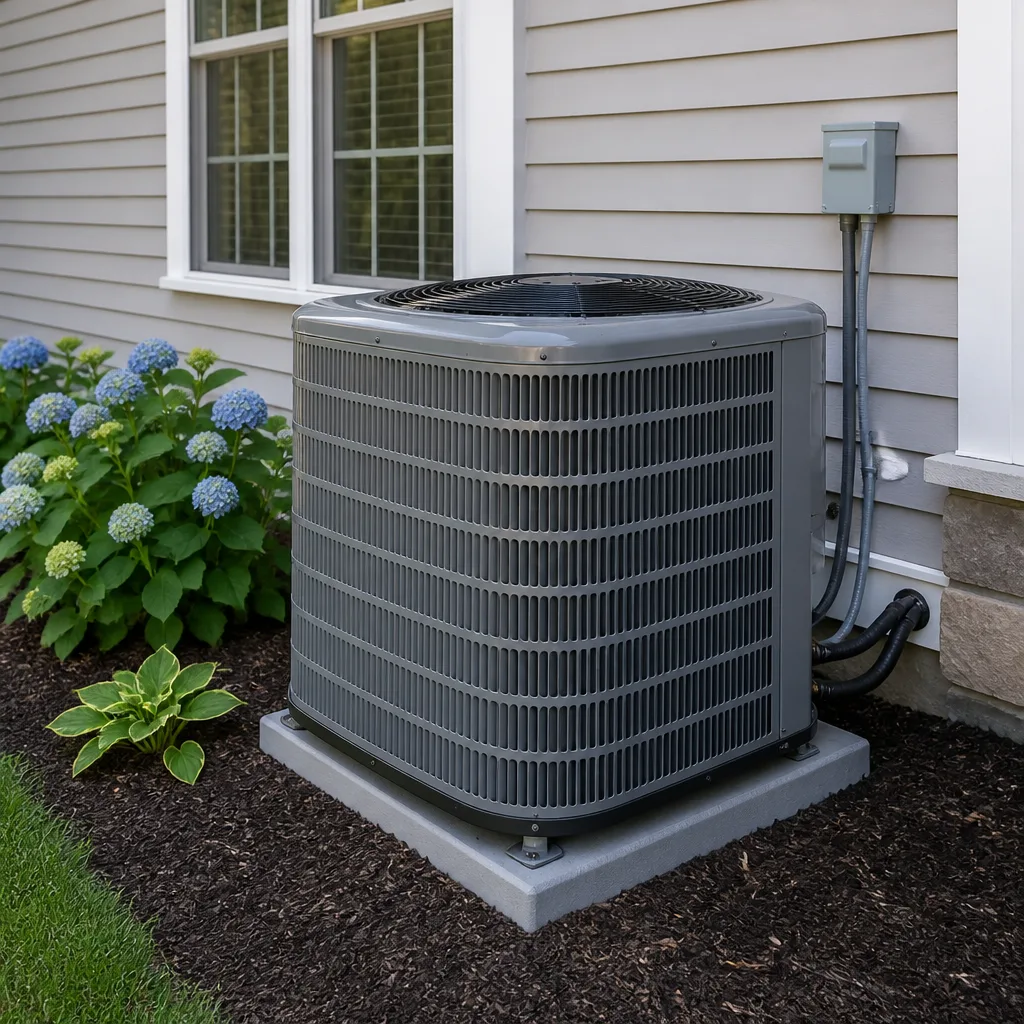 AC repair
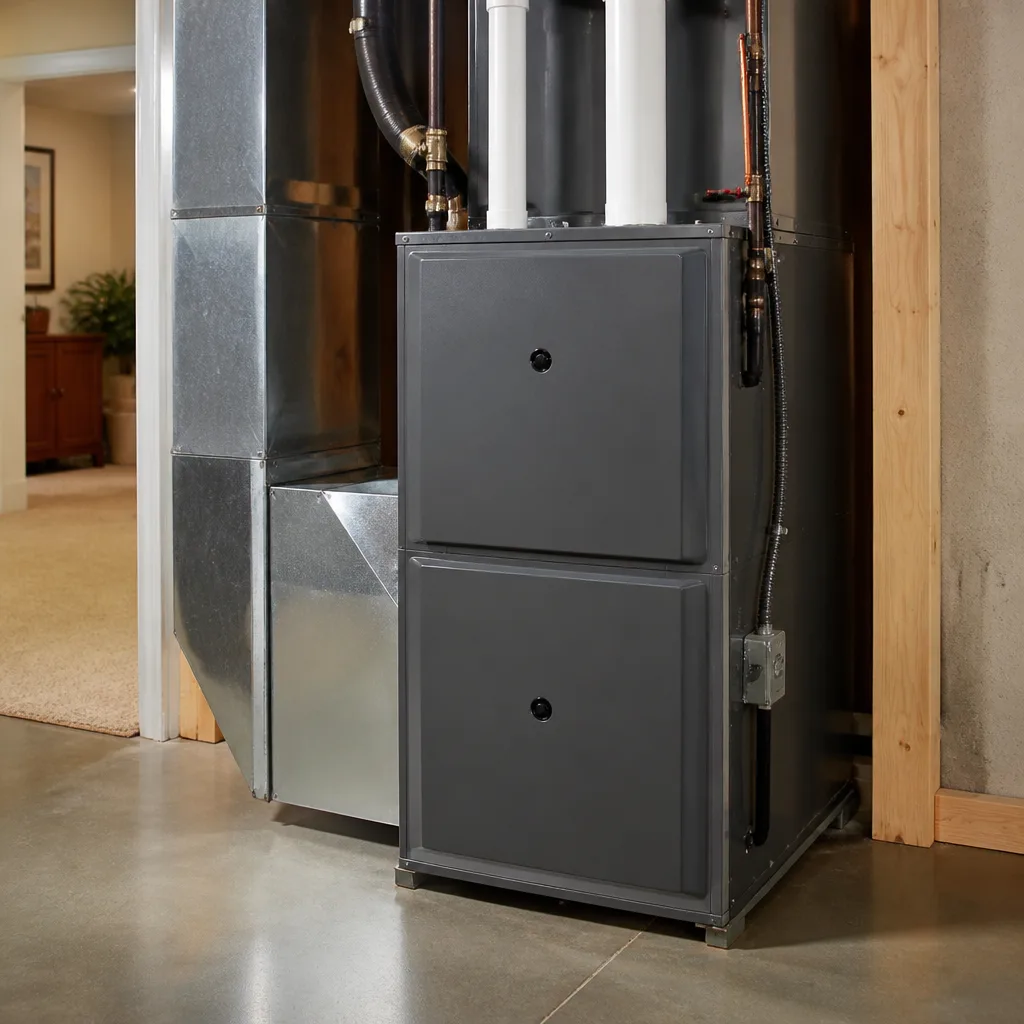 Furnace & heating
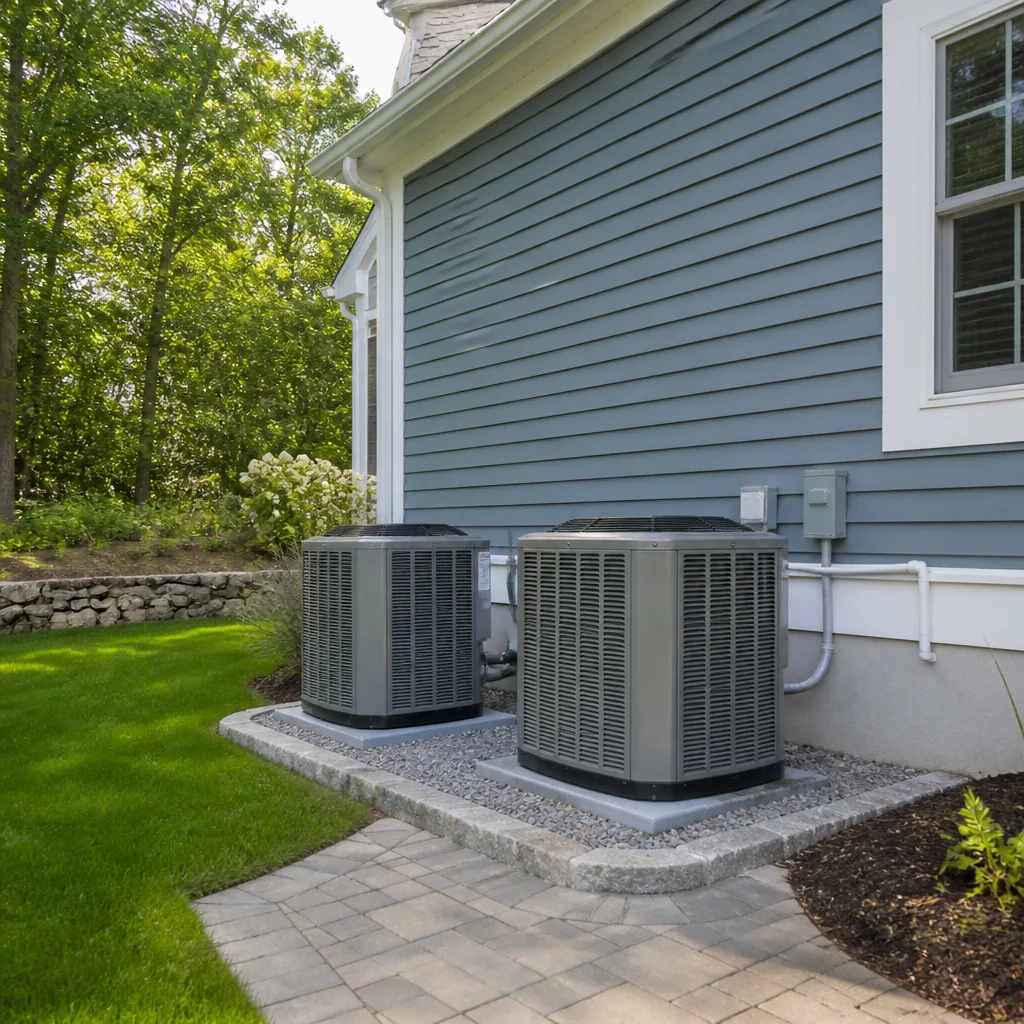 Heat pumps
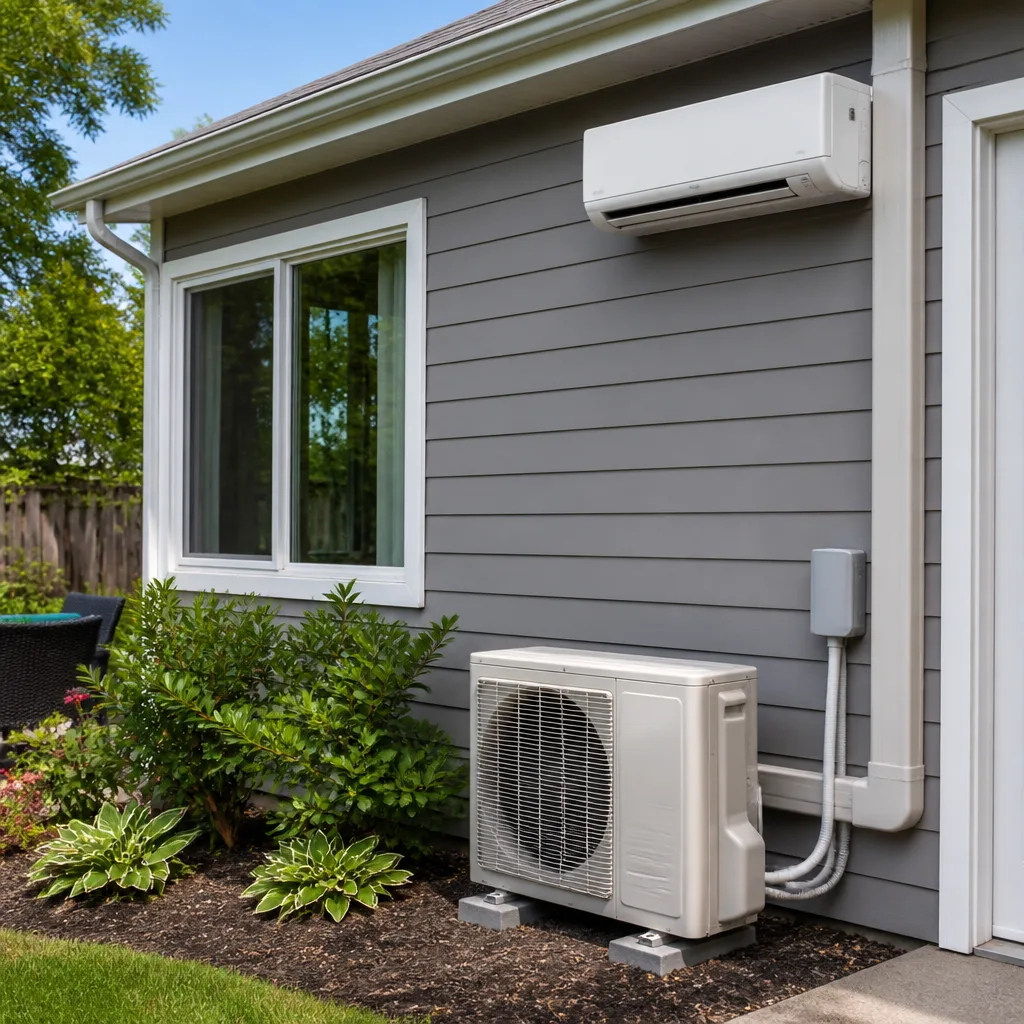 Ductless mini splits
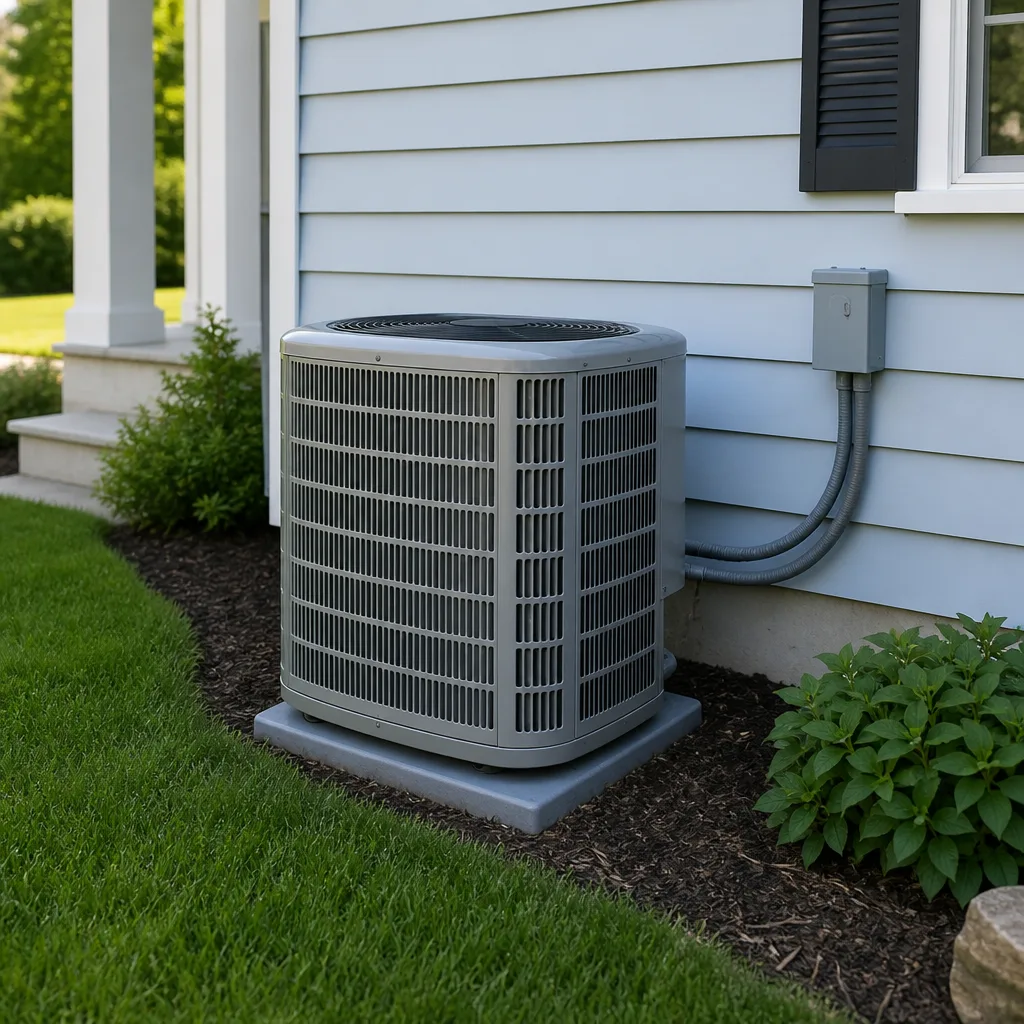 Carrier
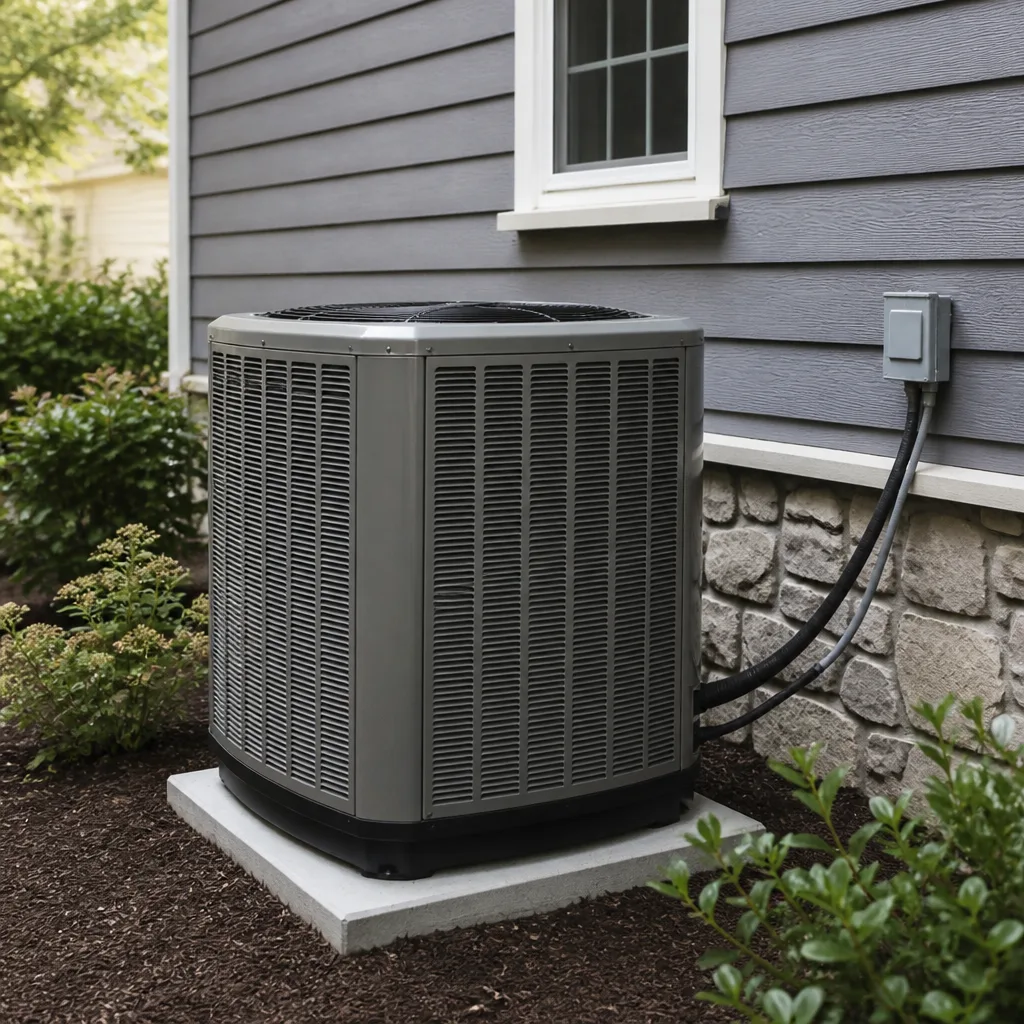 Trane
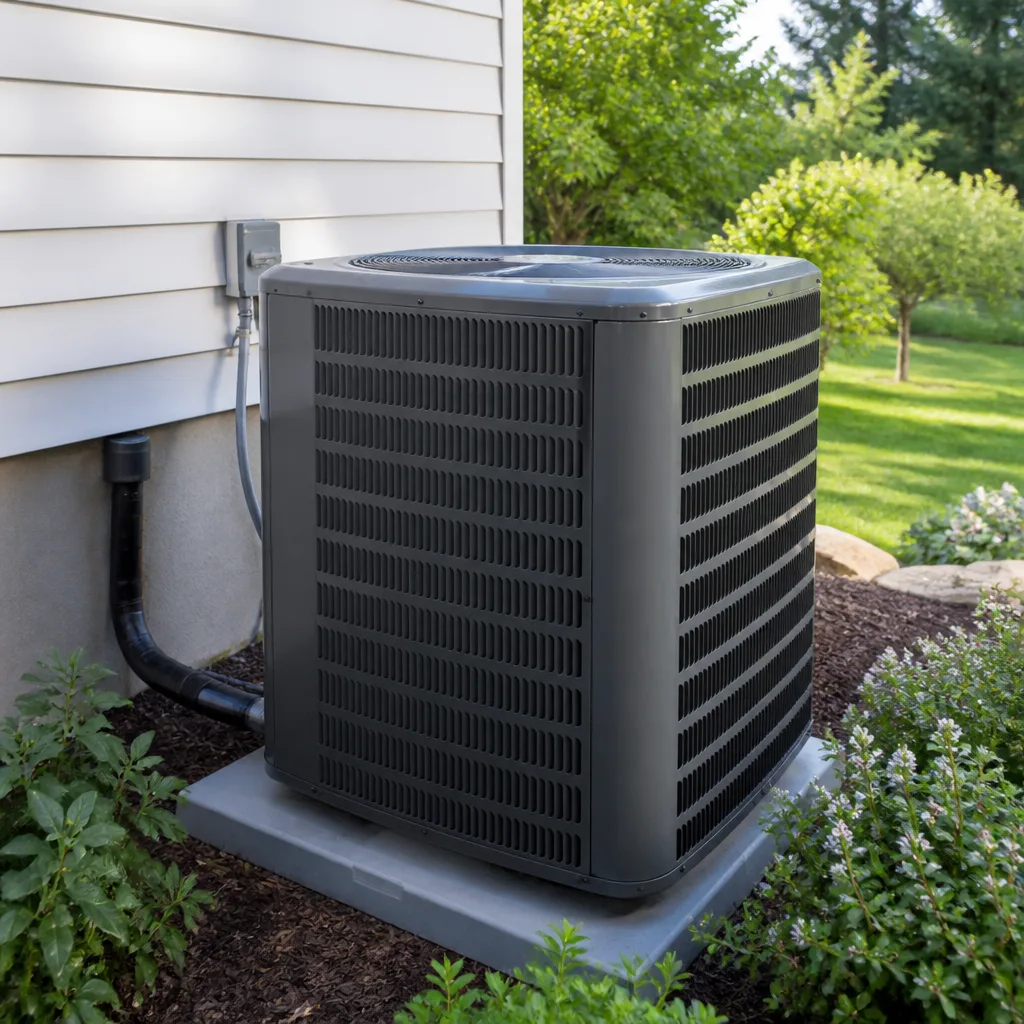 Goodman
Seasonal tune-up and full diagnostic on your Carrier, Trane, or Goodman system - readings shown to you before any repair is proposed
Diagnosis first, numbers second - you approve the repair price before a single part goes in.
Get your free estimateHVAC Cost Breakdown: The St. Petersburg Homeowner’s Reference for 2026
The national average for a new AC install sits somewhere near $5,500. In St. Petersburg, that figure usually leaves out the parts of the job that actually matter here: equipment rated for a long, humid cooling season, labor priced for tight attic retrofits in older concrete-block homes, permit and inspection steps, and a refrigerant transition that is quietly reshaping what a replacement costs in 2026. Most cost guides ignore those inputs because they’re written for the whole country. This one is built specifically for St. Petersburg. You’ll learn what each line on an HVAC estimate represents, how SEER2 tiers changed entry-level pricing, when a coil-only swap makes sense and when it traps you, and how to compare a cheap system against a premium one using real annual runtime instead of sticker price.
Quick Answer
In St. Petersburg, a full AC and heating system replacement in 2026 typically runs about $5,800 to $14,500 installed, with most homes landing in the $7,000 to $10,500 range. A coil-only or partial replacement commonly falls between $1,600 and $3,400, and a standard repair call with a common part usually lands between $180 and $620 depending on the component. The written estimate you receive sets the final price, and a free on-site assessment is the only reliable way to get one.
Styles & brands we work with
- AC repair
- Furnace & heating
- Heat pumps
- Ductless mini splits
- Carrier
- Trane
- Goodman
Table of Contents
- Why national averages miss the St. Petersburg market
- What SEER2 tiers actually cost in 2026
- Labor cost drivers specific to St. Petersburg
- Coil-only versus full-system replacement
- The R-410A to R-454B refrigerant transition
- Financing math and rebate reality
- Cost-per-year: budget unit versus premium unit
- Repair versus replace: the decision framework
- Common mistakes to avoid
- When to call a professional
Why National Averages Miss the St. Petersburg Market
Cost guides built on national data assume a few things that don’t hold in St. Petersburg. They assume mild annual runtime, easy equipment access, and a short cooling season. None of that survives contact with a Florida summer.
Here’s what actually drives cost in this market:
- Runtime hours. A St. Petersburg system runs well over 2,800 hours a year. A system in a mid-Atlantic city might run 1,200. That changes the economics of every equipment decision you make, because the cost per year depends on how many hours your system actually operates.
- Humidity load. Sensible cooling is only half the job here. Latent load (moisture removal) is significant, which means undersized or poorly configured equipment works harder and fails sooner. Proper sizing matters more in St. Petersburg than in dry climates.
- Housing stock. Older concrete-block homes throughout St. Petersburg frequently have attic-mounted air handlers with limited access, tight clearances, and ductwork that predates modern efficiency standards. Retrofitting equipment into those spaces takes more labor hours than a slab-mounted install.
- Permits and inspections. St. Petersburg requires permits for HVAC replacement, and inspection scheduling adds calendar time and administrative cost to the job. That gets built into the estimate.
- Equipment specs. Coastal-adjacent installations in this region often call for corrosion-resistant coatings on outdoor coils. That’s a real line item, and it isn’t in any national average.
When you request a free estimate from Thrive AC Repair, the number you receive reflects those local realities rather than a figure pulled from a national database. Every estimate is priced per job and written down, so you can see exactly what’s included.
What SEER2 Tiers Actually Cost in 2026
The 2023 federal efficiency standard reset the floor for new equipment. In the South, the minimum for a split system is now 14.3 SEER2. That change didn’t lower prices anywhere; it moved entry-level equipment upward in efficiency and, in most cases, in cost.
Here’s how the tiers shake out in St. Petersburg pricing typically:
- 14.3 SEER2 (entry tier): roughly $5,800 to $7,400 installed. This is the compliant minimum. It meets code, it cools the house, and for a homeowner selling in a few years it can be a reasonable choice.
- 15 to 16 SEER2 (mid tier): roughly $7,000 to $9,800 installed. This is where most St. Petersburg homeowners land. You get better humidity control, quieter operation, and a meaningful reduction in annual energy cost.
- 17 to 18+ SEER2 (high tier): roughly $9,500 to $14,500 installed. Variable-speed or two-stage equipment with the most precise humidity and temperature control. Best economics for homeowners who plan to stay put and have high runtime hours.
The critical point: SEER2 is a federally defined test standard, so the number on the box is comparable across brands. A 16 SEER2 Carrier and a 16 SEER2 Goodman are tested the same way. What differs is build quality, parts availability, serviceability, and how the equipment behaves in a humid climate over fifteen years. That’s why we service nine major brands, from Carrier and Trane to Daikin and Goodman. You get a recommendation built around your home and budget, not around which manufacturer pays the dealer the best margin.
If you’re weighing tiers for a replacement, a technician can walk you through the tradeoffs on-site. You can also start the conversation with our team at AC installation and get a written estimate that itemizes the equipment tier, labor, permit, and any accessory work.
Labor Cost Drivers Specific to St. Petersburg
Equipment is roughly half of a replacement estimate. Labor, permits, and accessory work make up the rest, and those elements vary more in St. Petersburg than most homeowners expect.
Five factors drive labor here:
- Permit and inspection. St. Petersburg requires a permit for a system replacement, and the inspection has to be scheduled after installation. That’s administrative time and a calendar step. It’s part of the job, and it’s part of the estimate.
- Attic access in older homes. Concrete-block homes from the mid-twentieth century were built before modern air handlers existed. Access hatches are often undersized, the platform may need reinforcement, and duct transitions may need reworking. Attic installs in these homes commonly run 15 to 30 percent higher in labor than a straightforward slab-mount.
- Ductwork condition. Duct systems in older St. Petersburg homes are frequently undersized by current standards, leaking at the seams, or routed through unconditioned space. If the ducts aren’t addressed, a high-efficiency system won’t deliver the efficiency it’s rated for.
- Electrical and disconnect work. Some older homes need a dedicated circuit upgrade or a new disconnect to support modern equipment. That’s a licensed electrical scope and it’s priced separately.
- Corrosion-resistant coil coating. Outdoor units in this region commonly need a coated coil to resist the humid, salt-influenced air. The upgrade is usually a few hundred dollars and it extends the life of the outdoor coil significantly.
When you get an estimate, ask for each of these to appear as separate line items. An estimate that lumps everything into one number hides the decisions from you. Our technicians have up to 14 years of experience and can walk you through why each line exists for your particular house.
Coil-Only Versus Full-System Replacement
Coil-only replacement sounds like the cheaper path, and sometimes it is. But the savings only hold when the rest of the system has enough life left to justify the investment.
Pricing for partial work in St. Petersburg typically breaks down this way:
- Evaporator coil replacement only: roughly $1,600 to $3,000 installed.
- Condenser and coil together (reusing the air handler and line set): roughly $3,400 to $5,600 installed.
- Full system (condenser, coil, and air handler): roughly $5,800 to $14,500 installed, depending on tier.
The math that matters: if your outdoor unit is more than about ten years old and the coil fails, replacing only the coil means you’re putting new parts into an aging system. The compressor is the next component to fail, and you’ll be paying for a second service call and possibly a second coil when the other side of the system gives out. In St. Petersburg, where runtime is high, aging equipment fails faster than the national averages suggest.
A coil-only replacement makes the most sense when the outdoor unit is under eight years old, the compressor is healthy, and the refrigerant circuit is intact. It makes the least sense when the condenser is already near the end of its service life.
We give you the honest answer either way. Repair or replace, the recommendation follows the state of your equipment, not the size of the invoice. If a full replacement is the right move, the work is scheduled and priced in writing. For the heating side, furnace repair is a separate conversation we handle the same way.
The R-410A to R-454B Refrigerant Transition
The refrigerant shift is the biggest cost variable most homeowners haven’t heard about, and it directly affects what a partial or full replacement costs in 2026.
R-410A is being phased down in favor of R-454B, which has a lower global warming potential. Both refrigerants work. They do not mix. An R-410A system cannot be topped off or recharged with R-454B, and the equipment isn’t cross-compatible.
What that means in practice:
- If you have an R-410A system and need a new coil, the new coil must be R-410A-compatible. Availability is tightening and pricing on R-410A equipment is rising as manufacturers shift production. That’s an upward cost pressure most national guides don’t reflect.
- If you replace the condenser with an R-454B unit, the indoor coil and sometimes the air handler must be replaced at the same time. That pushes a “cheap” condenser swap into full-system pricing.
- If you replace the whole system, you’re moving to R-454B going forward. That’s the correct long-term choice, and it means the equipment you install in 2026 is serviceable for years to come.
Repairing an older R-410A system is still very possible, and often the right call if the equipment has life left. But the refrigerant transition is a real cost factor now in a way it wasn’t three years ago, and it’s one of the reasons a coil-only repair sometimes costs more than homeowners expect.
Financing Math and Rebate Reality
Deferred-interest and same-as-cash financing offers are common on HVAC replacements, and they’re a legitimate tool. They’re also easy to misunderstand.
Here’s the honest version of the math:
- Same-as-cash offers work only if you pay off the balance in full within the promotional window. An 18-month same-as-cash promotion, for example, waives interest only if the balance reaches zero before the window closes. Miss it by a month and interest is typically applied retroactively to the original balance.
- Calculate the monthly payment that would retire the balance inside the window, not the minimum. If a $9,000 replacement is financed on 18 months same-as-cash, you need to pay $500 a month to retire it. The minimum payment is usually much lower, and that’s how people fall into the retroactive interest trap.
- Utility rebate programs reduce the first-year net cost, not the monthly payment. Rebates are typically paid after installation and sometimes after a verification step. They’re real money, but factor them into year-one cash flow, not the amount you finance.
- Higher-efficiency equipment often qualifies for larger rebates. The upfront cost is higher, but the net cost after rebate can narrow the gap. Ask us to itemize the equipment tier against any rebate you might qualify for so the comparison is apples to apples.
Rebate rules and amounts are set by the utility and change periodically. We don’t publish amounts in this guide because they shift; we’ll walk you through what applies to your address when we prepare the estimate. Financing paperwork is handled as part of the written quote so you know the monthly number before you commit.
Cost-Per-Year: Budget Unit Versus Premium Unit
Sticker price is the least useful number on an HVAC estimate. The useful number is annual operating cost, and it changes the decision entirely for a St. Petersburg home.
Here’s a realistic comparison. Take a $4,200 budget unit at 14.3 SEER2 against a $7,100 premium unit at 16 SEER2 in a St. Petersburg home running 2,800 hours a year.
- Budget unit annual electricity cost: roughly $1,650 to $1,950 per year at typical residential rates, depending on the home’s duct condition and thermostat habits.
- Premium unit annual electricity cost: roughly $1,300 to $1,550 per year under the same conditions.
- Annual savings: roughly $350 to $450 in the first year, likely growing as utility rates rise.
- Payback on the price difference: the $2,900 gap closes in roughly seven to nine years of operation, faster if the premium unit also improves humidity control and reduces repair frequency.
Now factor in what the numbers don’t show. Premium units in a high-runtime climate often last longer, need fewer repairs, and hold indoor humidity more precisely, which matters a lot in St. Petersburg. The budget unit can still be the right answer for a homeowner planning to move in a few years. The premium unit is usually the better financial decision for a homeowner who plans to stay.
Neither answer is wrong. We’ll show you both, with the real runtime hours your home actually sees, and let you decide.
Repair Versus Replace: The Decision Framework
Repair is usually the right call until it isn’t. Here’s a simple framework that holds up in St. Petersburg, where the long cooling season accelerates wear.
- Under eight years old, single failure: repair. The system has most of its service life ahead of it.
- Eight to twelve years old, first major failure: repair if the diagnosis is a single component. Get a second opinion if the estimate runs above roughly $1,200.
- Any age, refrigerant leak at the coil: evaluate carefully. A coil replacement is meaningful money, and if the system is on the older side of its service life, replacement often wins the math.
- Twelve years or older, compressor failure: replace. A compressor replacement on a system that age is money spent on equipment that’s near the end of its life.
- Two or more failures in a single cooling season: replace. The pattern is telling you something.
- Utility bills rising without explanation: the system is losing efficiency. Have it assessed before the next failure.
The framework isn’t a rule. It’s a starting point that keeps you from spending big money on a system that’s about to fail, and it keeps you from replacing a system that has plenty of life left. That’s the answer we give either way.
Common Mistakes to Avoid
- Buying on sticker price alone. A $4,200 unit and a $7,100 unit can look similar on the invoice. The cost-per-year math is what separates them, and in St. Petersburg’s runtime hours the difference is measurable.
- Ignoring the duct system. Installing a 16 SEER2 system onto undersized or leaking ducts in an older St. Petersburg home means the equipment never delivers the efficiency it’s rated for. Have the ducts assessed as part of the replacement scope.
- Replacing only the condenser. Pairing a new condenser with an older R-410A coil can void the manufacturer warranty on the new equipment and often pushes the job into refrigerant-compatibility trouble. The coil and condenser should be assessed together.
- Treating the permit as optional. St. Petersburg requires permits for HVAC replacement. An unpermitted install can complicate a future home sale and may void parts of the manufacturer warranty.
- Taking the lowest bid without a written scope. A bid that doesn’t itemize equipment model, tier, permit, haul-away, and any duct or electrical work is missing cost one way or another. Ask for a written scope before comparing prices.
- Falling into the same-as-cash interest trap. Missing the payoff window triggers retroactive interest that can add more than the original price difference between a budget and premium system.
- Skipping the annual service visit. A system that never gets serviced loses efficiency quietly. In a climate that runs 2,800 hours a year, that’s real money over the life of the equipment.
When to Call a Professional
Some HVAC issues are worth a call today. If your system is blowing warm air in July, tripping the breaker repeatedly, leaking water around the indoor unit, or making a grinding or screeching noise, stop running it and get a technician out. Refrigerant work is not a do-it-yourself task; it requires licensing and equipment most homeowners don’t have, and mishandling refrigerant is both a safety and environmental issue. Electrical work inside the air handler is the same story. If you’re seeing rising utility bills with no other explanation, a system over twelve years old, or repeated failures, it’s time for an assessment. Thrive AC Repair offers free estimates in St. Petersburg. Call (855) 490-0819. We answer 24/7, with fast dispatch from 7am to 7pm.
See the difference
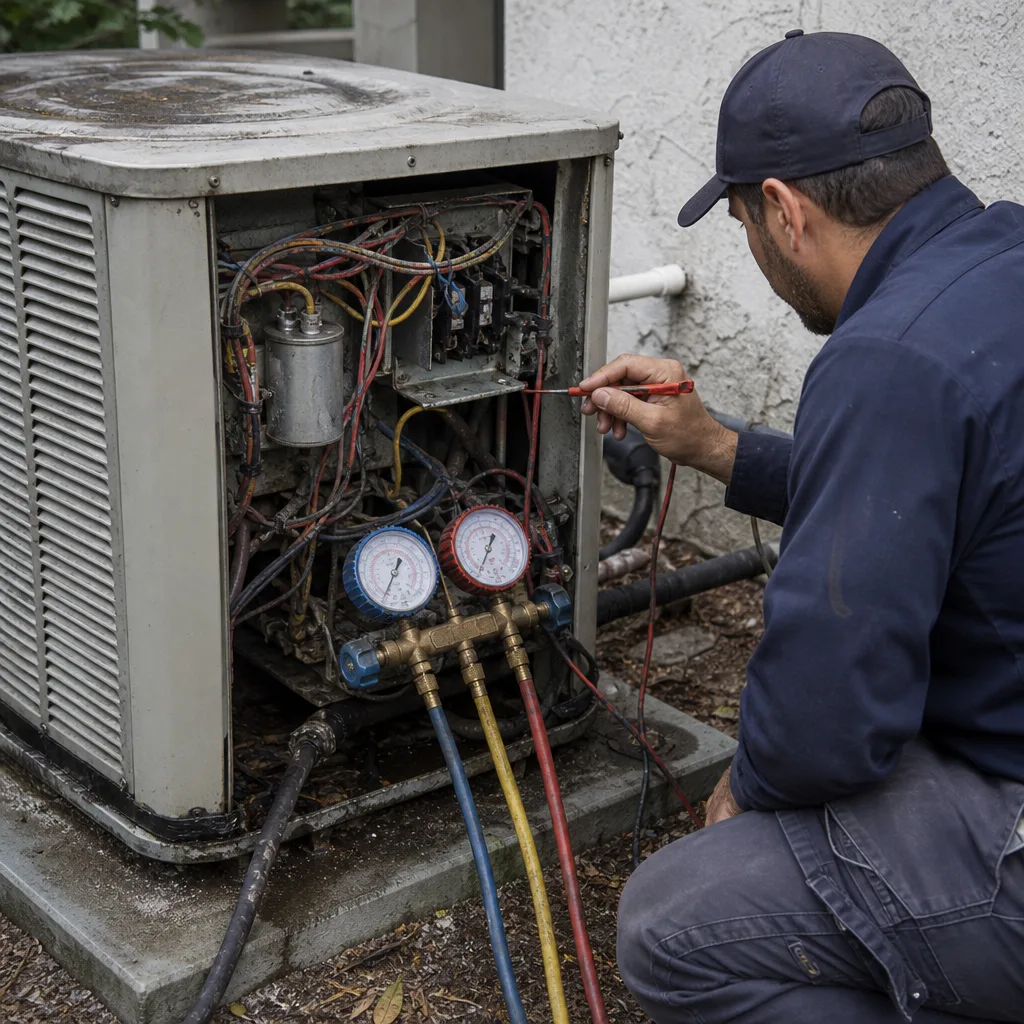 Before
 After
 Before
 After
 Before
 After
Frequently Asked Questions
A full AC and heating system replacement in St. Petersburg typically runs about $5,800 to $14,500 installed, with most homes landing in the $7,000 to $10,500 range. Entry-tier 14.3 SEER2 equipment sits at the low end, mid-tier 15 to 16 SEER2 equipment is the common bracket, and 17 to 18+ SEER2 variable-speed systems sit at the top. Coil-only work falls in the $1,600 to $3,400 range. Call (855) 490-0819 for a written estimate. Estimates are free.
National averages don’t include the local realities that push the number higher here: permit and inspection costs, attic labor for older concrete-block homes, corrosion-resistant coil coatings, and equipment priced for high-humidity runtime. A national figure is a starting point; the written estimate from a local technician is the number that applies to your house.
Yes, if the outdoor unit is under about eight years old and the compressor is healthy. Coil-only replacement in St. Petersburg typically runs $1,600 to $3,000 installed. But if the condenser is near the end of its service life, replacing only the coil usually costs more over time than a full system replacement.
It raised the minimum efficiency floor for new equipment in the South to 14.3 SEER2, which moved entry-level equipment up in efficiency and, in most cases, in cost. The cheapest possible replacement is no longer as cheap as it was before the standard reset. For most St. Petersburg homeowners, the shift is a few hundred dollars at the entry tier.
Both can, but the math needs to be run carefully. Rebates reduce first-year net cost, while financing spreads the payment over time. Same-as-cash financing only saves money if the balance is fully retired inside the promotional window; missing the window can trigger retroactive interest that costs more than the rebate saves. Call (855) 490-0819 to walk through both before you commit. Estimates are free.
Yes, St. Petersburg requires a permit for HVAC replacement. The inspection is scheduled after installation, and it’s part of the work. A contractor who suggests skipping the permit is cutting a corner you’ll pay for later, sometimes at home sale. A proper estimate includes the permit line.
The Bottom Line
St. Petersburg HVAC costs don’t track national averages because the local inputs are different: high runtime hours, tight attic retrofits in older concrete-block homes, permit and inspection steps, corrosion-resistant equipment, and the R-410A to R-454B transition all sit inside the number. A full system replacement typically runs $5,800 to $14,500 installed, with most homes landing in the $7,000 to $10,500 range. The right decision depends on your home, your runtime, and how long you plan to stay, not on which system has the lowest sticker price. A written, itemized estimate makes the comparison possible. That’s what we give you either way.
Contact Thrive AC Repair
If you’re ready to see real numbers for your St. Petersburg home, call (855) 490-0819 for a free estimate. We service nine major HVAC brands, from Carrier and Trane to Lennox, American Standard, Daikin, Goodman, Rheem, York, and Bryant, so the recommendation follows your home and budget rather than which manufacturer pays the dealer best. Whether it’s a full replacement or a furnace repair in the colder months, the price is set per job by the written estimate, and we’ll tell you the honest answer either way. We answer 24/7. Fast dispatch from 7am to 7pm, Sunday through Friday. You can also review our St. Petersburg service page to see how we approach the work.
Written by the team at Thrive AC Repair.